Vitamin D Linked to Lower Alzheimer's Risk in New Study
Scientists discovered that higher vitamin D levels in middle age are linked to fewer toxic protein tangles in the brain 16 years later. The finding offers hope that something as simple as sunshine, fish, or supplements could help protect against Alzheimer's.
Getting enough vitamin D during your 40s might help protect your brain from Alzheimer's disease decades later, according to promising new research from an international team of scientists.
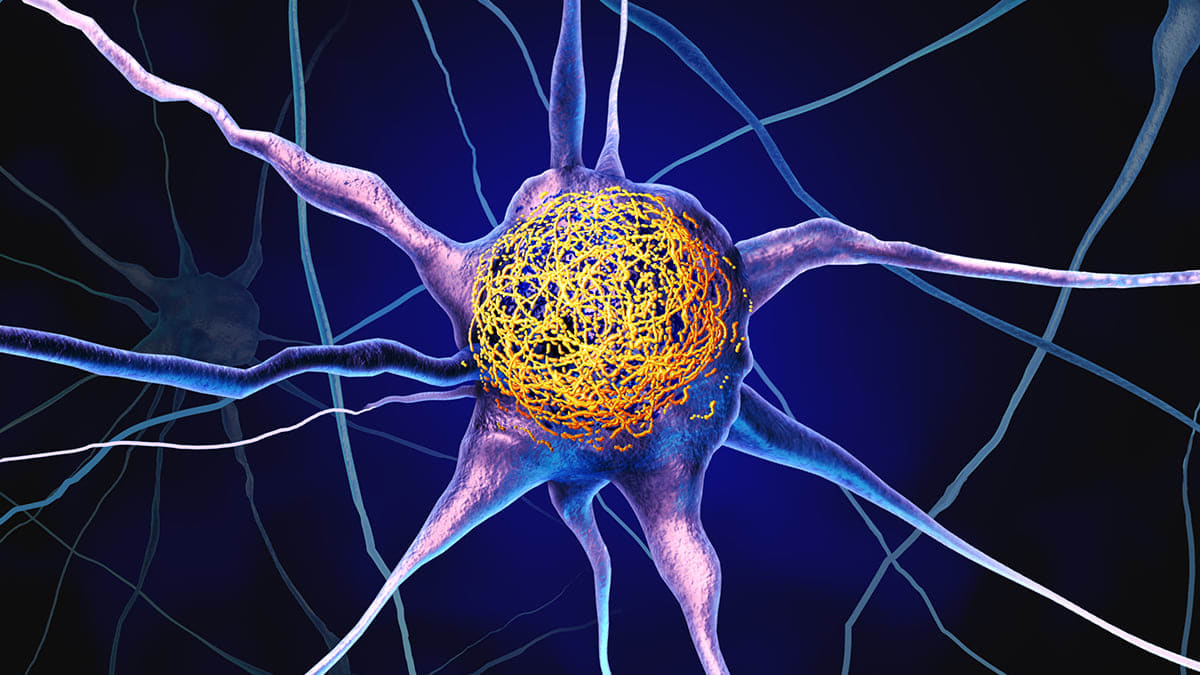
The study tracked 793 adults who had their vitamin D levels measured at age 39. When researchers scanned their brains 16 years later, they found a clear pattern: people with higher vitamin D in midlife had significantly fewer tau protein tangles, the toxic clumps that damage brain cells in Alzheimer's patients.
"These results suggest that higher vitamin D levels in midlife may offer protection against developing these tau deposits in the brain," says neuroscientist Martin David Mulligan from the University of Galway in Ireland. The association held true across the brain, especially in regions hit hardest by early Alzheimer's.
None of the participants had developed dementia yet, but the presence of tau tangles signals that brain damage may already be starting. While tau and another protein called amyloid-beta are naturally helpful in healthy brains, they turn destructive when they clump together and clog neurons.
The study found no connection between vitamin D and amyloid-beta, but the tau link stood out. Previous research has shown vitamin D can strengthen the brain's immune system, while vitamin D deficiency has been linked to misbehaving tau proteins in mice.
Why This Inspires
This research shines a light on something refreshingly simple in the complex fight against Alzheimer's. While scientists are still unraveling how genetics, lifestyle, and various proteins contribute to the disease, this study suggests a practical step people can take right now.
Vitamin D is freely available from sunshine, easily added through foods like salmon and fortified milk, or taken as affordable supplements. The idea that something so accessible might reduce Alzheimer's risk offers genuine hope, especially since midlife appears to be a crucial window when prevention efforts pack the biggest punch.
The researchers are careful to note that more studies are needed to confirm these findings and track people all the way to dementia diagnoses. They suggest that supplementing with higher doses of vitamin D over longer periods in younger, healthy people might prove beneficial, though clinical trials will need to test this properly.
For now, the message is encouraging: spending more time outdoors or adding vitamin D-rich fish to your plate might be doing more for your future brain health than you realized.
More Images


Based on reporting by Google News - Health
This story was written by BrightWire based on verified news reports.
Spread the positivity!
Share this good news with someone who needs it