Vitamin D Study Finds Surprising Long COVID Signal
A major clinical trial revealed that high-dose vitamin D didn't prevent severe COVID, but researchers discovered an unexpected clue that could help millions still battling long COVID symptoms.
Scientists searching for ways to fight COVID just stumbled onto something they weren't looking for, and it might offer hope to the millions of people struggling with long COVID.
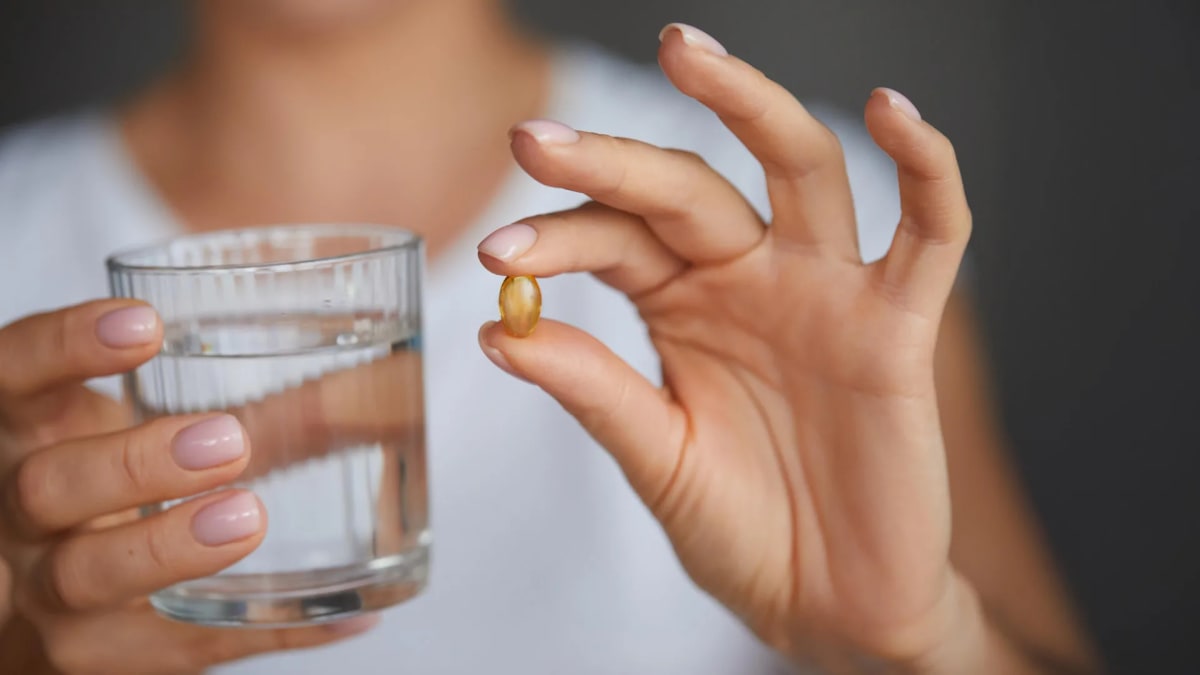
Researchers at Mass General Brigham tested whether high doses of vitamin D could reduce COVID severity in nearly 2,000 patients across the United States and Mongolia. The answer was no, but the study uncovered something potentially more important.
People who consistently took vitamin D supplements appeared less likely to develop persistent symptoms weeks after their initial infection. Among those taking vitamin D, 21% reported lingering symptoms eight weeks later, compared to 25% in the placebo group.
The VIVID trial ran from December 2020 through September 2022, tracking 1,747 adults with recent COVID diagnoses and 277 household contacts. Participants took either high-dose vitamin D3 or a placebo for four weeks, starting about three days after testing positive.
While vitamin D didn't prevent hospitalizations, reduce symptom severity, or stop household transmission, that subtle difference in long COVID rates caught researchers' attention. The finding reached borderline statistical significance, meaning it's strong enough to investigate further but not yet proven.
"Long COVID, which can include symptoms of fatigue, shortness of breath, brain fog, other cognitive challenges and more, continues to significantly impact people's lives," said senior author Dr. JoAnn Manson. Her team wants to conduct larger studies examining whether long-term vitamin D supplementation could reduce long COVID risks and severity.
The Bright Side
This unexpected discovery represents exactly how medical breakthroughs often happen. Scientists set out to answer one question and find clues to solving an entirely different problem.
Long COVID affects an estimated 10 to 30% of people who contract coronavirus, leaving many unable to work or enjoy daily activities months after infection. Any potential tool to reduce those odds, especially something as accessible and affordable as vitamin D, deserves serious investigation.
The study's rigorous design, including careful balancing of factors like age, vaccination status, and body mass index between groups, makes this signal worth pursuing. Sometimes the most important findings are the ones we weren't looking for.
Researchers are already planning larger trials to see if this preliminary signal holds up, bringing fresh hope to understanding and preventing a condition that has disrupted countless lives.
Based on reporting by Health Daily
This story was written by BrightWire based on verified news reports.
Spread the positivity!
Share this good news with someone who needs it