VLC Creator Raises $5M to Build Software for Robot Future
The developer behind VLC Media Player, downloaded 6 billion times, just raised $5 million to solve a problem most people haven't thought about yet: how to control millions of robots in real time. His new company Kyber is building the infrastructure to make remote devices work seamlessly, from drones to robots to everyday tech.
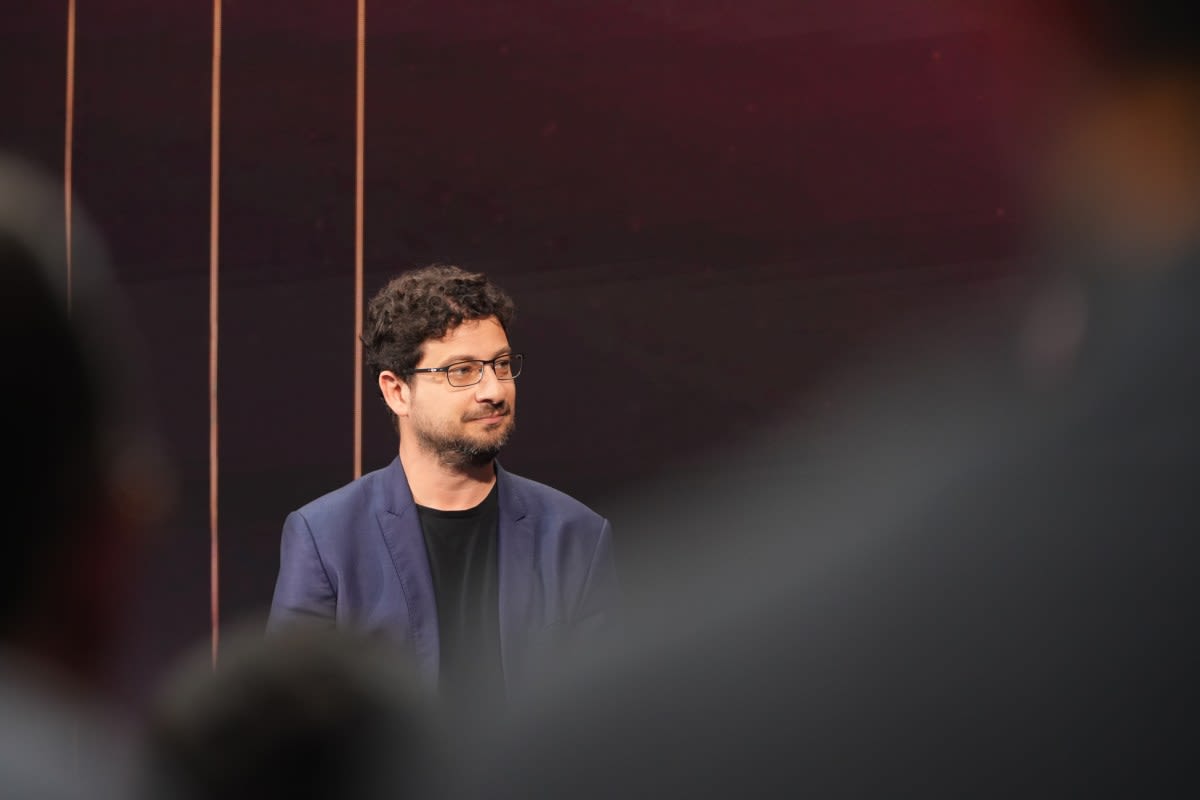
Jean-Baptiste Kempf gave the world free video software that billions of people rely on every day. Now he's preparing for a future where robots and drones are just as common.
The French developer who created VLC Media Player has launched Kyber, a Paris-based startup that just raised $5 million from Lightspeed Venture Partners. The company is building software that lets people control remote devices with zero lag, whether that's a robot across town or a drone halfway around the world.
The challenge Kempf is solving sounds simple but gets complicated fast. When someone operates a device remotely, they need video, audio, sensor data, and controls to sync perfectly. Every millisecond of delay matters when you're navigating real-world environments.
Kempf developed the solution while serving as CTO at cloud gaming startup Shadow. His approach borrows heavily from video streaming technology but adds crucial elements for managing millions of devices at scale. The name Kyber references the lightsaber crystals from Star Wars, a nod to the speed his system enables.
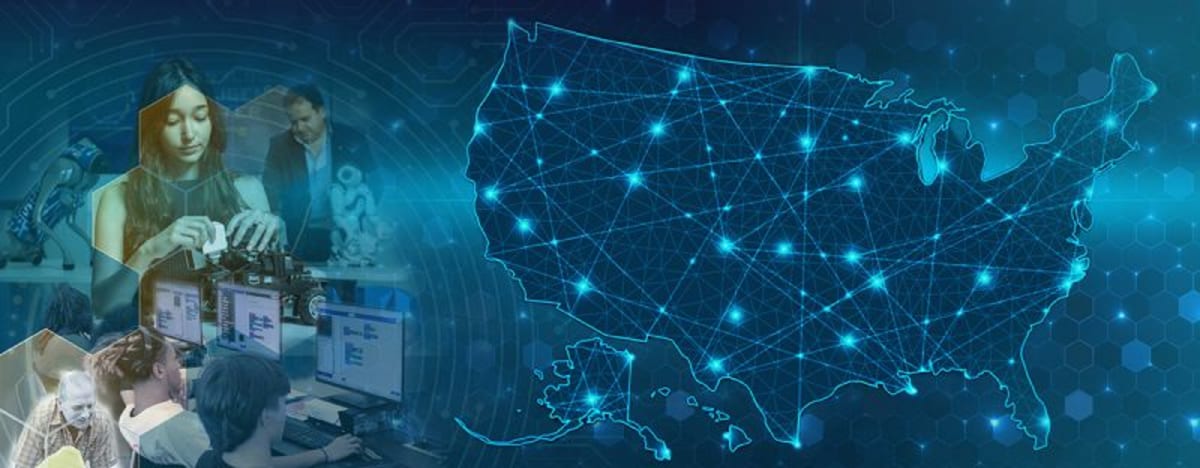
Some large companies have already built similar systems for their own fleets of self-driving cars or delivery robots. But those fleets max out at a few thousand vehicles. Kempf sees a world where millions of autonomous devices need managing, and most companies won't have the resources to build that infrastructure themselves.
The Ripple Effect
Kyber's open source approach means anyone can use the core technology for free, while larger companies can pay for enterprise features and hands-on support. The company already has 25 full-time staff, many of them engineers who deploy directly with customers.
The startup has landed commercial clients in defense, telecommunications, robotics, and artificial intelligence. But one of the most popular applications so far has been remote IT access, letting tech teams manage computers and servers without being physically present.
Lightspeed, which also backed major AI companies like Anthropic and Mistral, sees Kyber as essential infrastructure for the age of physical AI. As the venture firm noted, artificial intelligence systems working in the real world are only as good as the underlying technology running them.
The technology has practical benefits today even for small teams. Companies can push software updates to devices in the field without sending technicians to each location. As fleets grow, that efficiency becomes critical.
Kyber now operates from offices in Paris, San Francisco, and Singapore, positioning itself to serve clients worldwide across industries that are just beginning to scale up their robotic systems.
The developer who made video playback smooth for billions is now making sure the robot future runs just as seamlessly.
More Images

Based on reporting by TechCrunch
This story was written by BrightWire based on verified news reports.
Spread the positivity!
Share this good news with someone who needs it