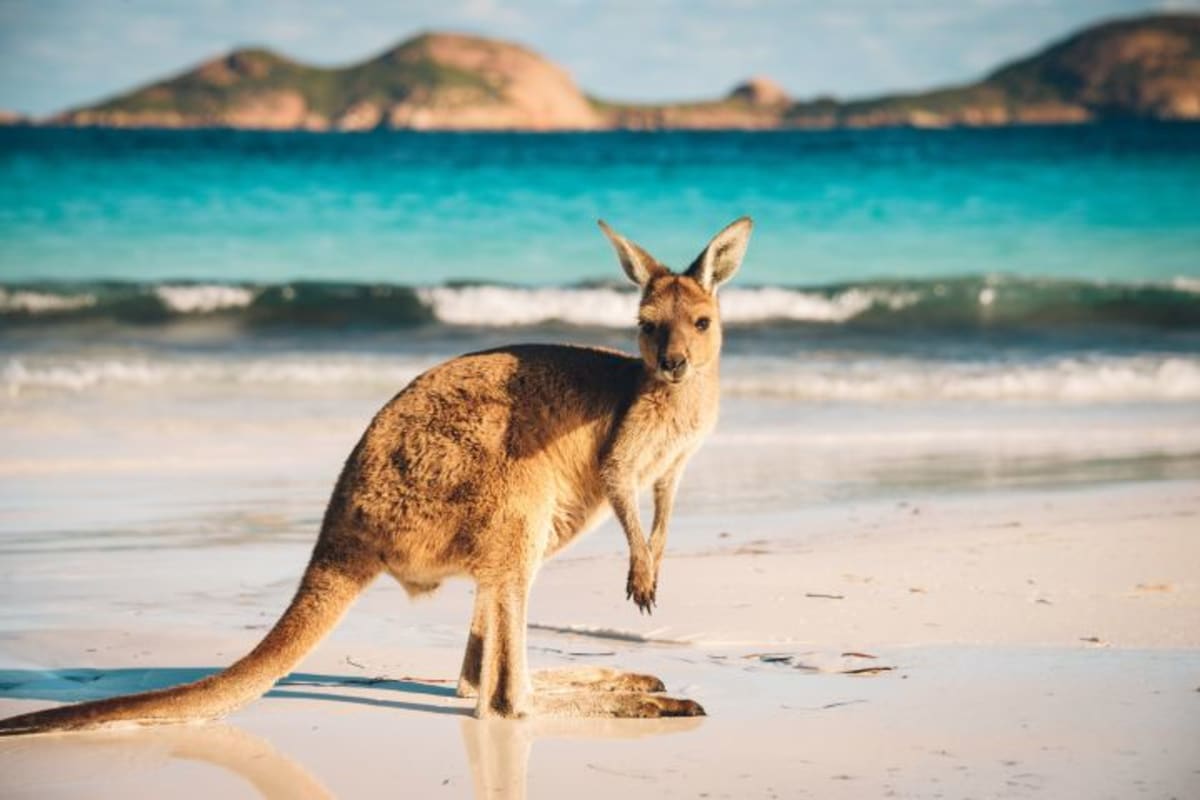
Volunteer With Orphaned Kangaroos in Australia
Wildlife sanctuaries across Australia are welcoming travelers to help care for injured and orphaned kangaroos while staying on remote properties. These hands-on experiences let visitors bottle-feed joeys and prepare animals for release back into the wild.
Imagine waking up to find a baby kangaroo hopping through your living room, waiting for its morning bottle feed.
That's the reality for volunteers helping wildlife sanctuaries across Australia care for orphaned and injured kangaroos. Through platforms like Workaway, travelers can exchange a few hours of daily help for accommodation, meals, and an unforgettable experience with Australia's most iconic animals.
At a sanctuary near Trentham in Victoria, volunteers spend their days bottle-feeding baby kangaroos called joeys. The work includes preparing food, cleaning living spaces, and helping maintain the shelter. The ultimate goal is giving these animals a safe place to grow before returning to the wild.
It's common to see kangaroos roaming freely around the property or resting indoors alongside volunteers. These aren't zoo animals behind glass but real wildlife recovering from injury or loss.
Another program operates on a 2,200-acre sanctuary in Moorine Rock, Western Australia. Volunteers help care for kangaroos, emus, birds, and reptiles while experiencing life in a tiny rural community. In exchange for about five hours of work per day, five days a week, participants get room and board plus close encounters with Australian wildlife.
Most positions don't require special skills or qualifications. What matters is genuine interest in conservation and willingness to do physical outdoor work. Stays typically last one to two weeks, though some volunteers extend their time.
The beauty of these programs is their exchange-based model. Nobody pays to participate because the arrangement benefits both sides. Sanctuaries get essential help caring for animals, while volunteers gain meaningful travel experiences impossible to find on traditional tours.
The Ripple Effect
These volunteer programs do more than help individual animals recover. They educate international visitors about Australian wildlife conservation, creating ambassadors who return home with deeper understanding of environmental protection. Each volunteer who learns to care for joeys properly can share that knowledge with others, spreading awareness about threats facing native species.
The sanctuaries also strengthen connections between urban travelers and rural Australian communities. Many volunteers arrive knowing nothing about life outside cities and leave with appreciation for the hard work happening in remote areas to protect wildlife.
One bottle-fed joey today becomes a healthy adult kangaroo tomorrow, potentially raising its own young in the wild. That ripple extends far beyond a single animal or a single volunteer's experience.
Getting started requires checking visa requirements and researching organizations with strong animal welfare practices. Tourist visas work for short stays, while longer commitments may need Working Holiday visas. Reputable platforms like Workaway help match volunteers with ethical sanctuaries.
It's the kind of adventure that transforms how you see both travel and conservation.
Based on reporting by Google: volunteers help
This story was written by BrightWire based on verified news reports.
Spread the positivity!
Share this good news with someone who needs it
%2Fhttps%3A%2F%2Ftf-cmsv2-smithsonianmag-media.s3.amazonaws.com%2Ffiler_public%2F8b%2Fdd%2F8bdd6baa-d5eb-4361-b11d-74f651c75216%2Fmarmot_dandelion_3b531fc2-0a2c-43dd-8549-971ae73358af-prv.jpg)