Volunteers Build Rain Garden at NC Library for Cleaner Water
Community members in China Grove, North Carolina, rolled up their sleeves to install a rain garden at their local library, creating a natural filter that will clean stormwater before it reaches local waterways. The hands-on project during Rowan Creek Week 2026 showed neighbors how simple gardens can tackle pollution.
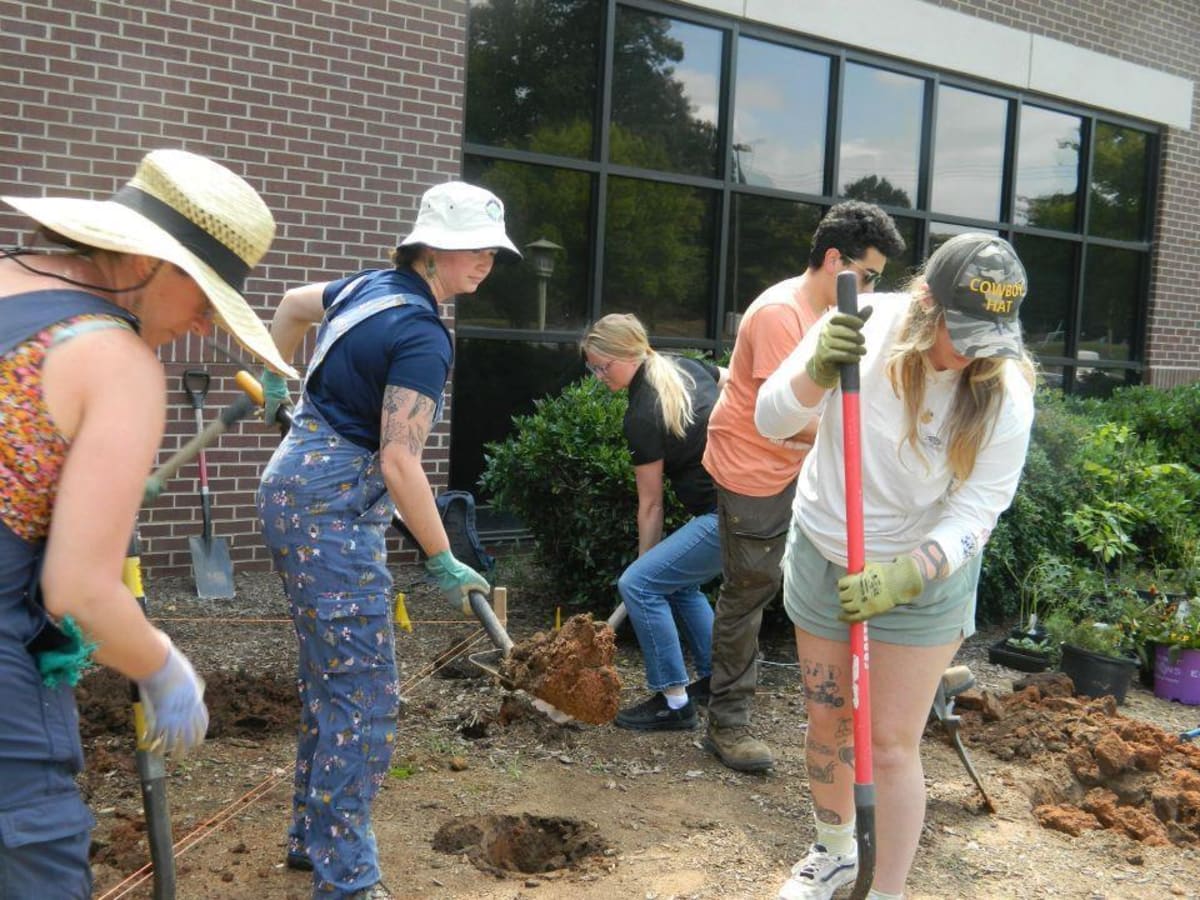
A group of volunteers turned a patch of ground at the Frank T. Tadlock South Rowan Regional Library into something that will quietly clean their community's water for years to come.
The China Grove residents gathered on September 15 for a workshop during Rowan Creek Week 2026, learning how rain gardens work before grabbing shovels to build one themselves. Mitch Woodson, a water quality expert with the North Carolina State Extension, explained that stormwater runoff from parking lots and rooftops is the number one cause of pollution in North Carolina's urban areas.
Rain gardens solve this problem by capturing runoff and filtering it naturally through soil and plants. The garden acts like a living sponge, slowing water down and removing pollutants before they reach streams and rivers.
Kelli Isenhour from Rowan County Soil and Water Conservation said the workshop room was packed. Volunteers from the Mt. Ulla Garden Club committed to maintaining the garden during its crucial first year, after which it will largely care for itself.
The library location was chosen for high visibility so visitors could see the garden in action and learn from it. Signs with QR codes will direct people to resources about building their own rain gardens at home.
The Ripple Effect
Rain gardens do more than clean water. They prevent erosion, provide homes for butterflies and beneficial insects, and add natural beauty to neighborhoods while requiring minimal maintenance once established.
What makes them truly powerful is their accessibility. Woodson emphasized that rain gardens are easy to design and install, meaning any homeowner or gardener can contribute "one little piece of the puzzle" to improving water quality in their area.
Amy-Lynn Albertson, director of the Rowan County Extension office, pointed out that these gardens filter stormwater so effectively that by the time water reaches the larger water system, it's cleaner and moving at a safer speed. This dual benefit of pollution reduction and flood prevention makes rain gardens a simple solution with outsized impact.
The China Grove project demonstrates how education and action can happen simultaneously, with community members learning the science while literally getting their hands dirty to create change.
One afternoon of digging created a lasting natural filter that will clean thousands of gallons of water while inspiring others to do the same.
Based on reporting by Google: volunteers help
This story was written by BrightWire based on verified news reports.
Spread the positivity!
Share this good news with someone who needs it