Volunteers Crank 12-Person Bridge for Historic Inspection
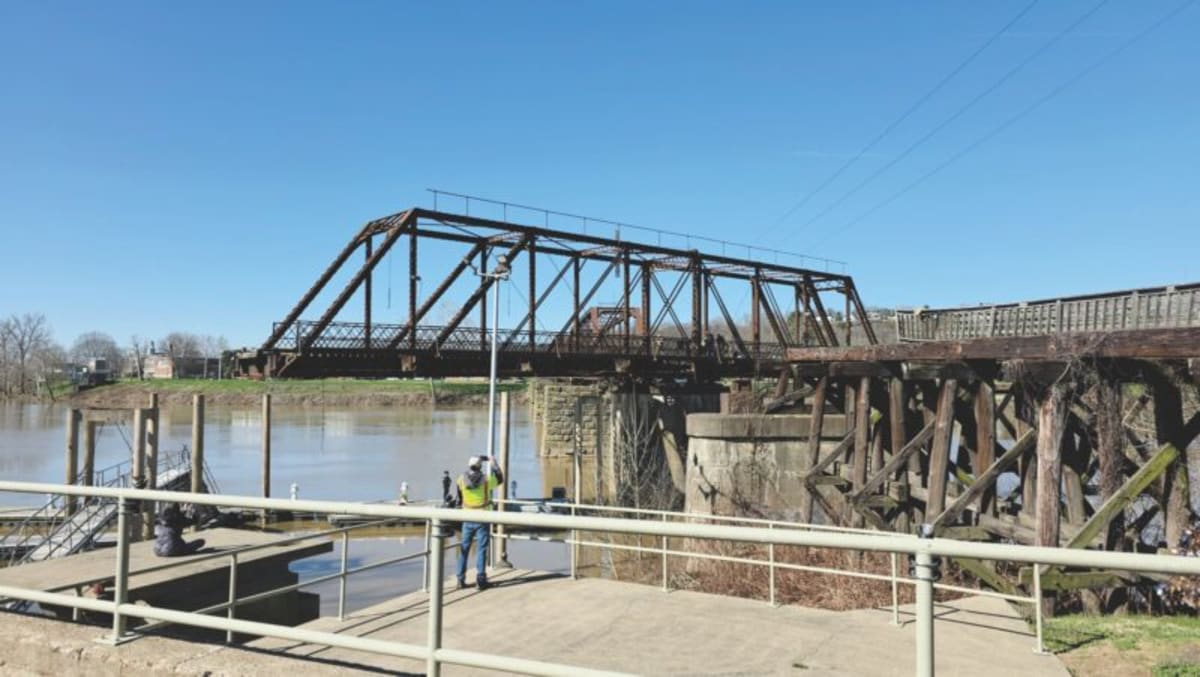
A dozen volunteers manually cranked the gears of Ohio's historic Harmar Bridge for its first in-depth inspection in years, bringing the century-old swing bridge one step closer to reconnecting two communities. The two-day inspection will guide a $2 million restoration to reopen the landmark as a pedestrian bridge.
When it takes 12 people to do what four once could, you know a bridge has stories to tell.
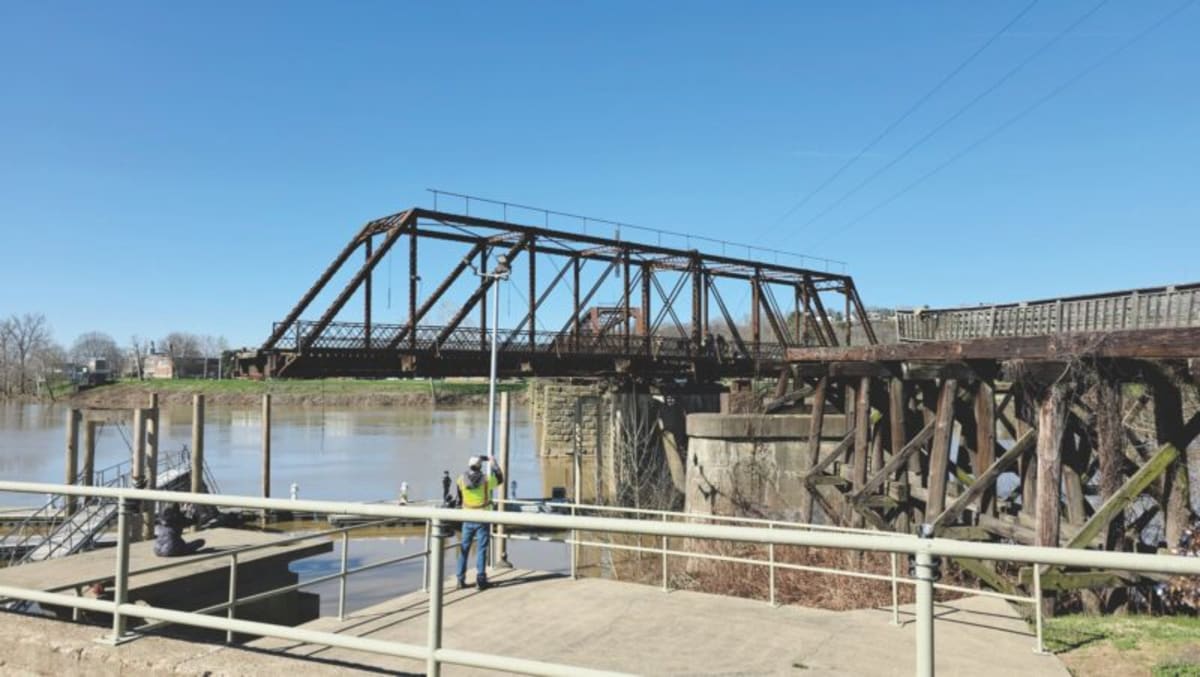
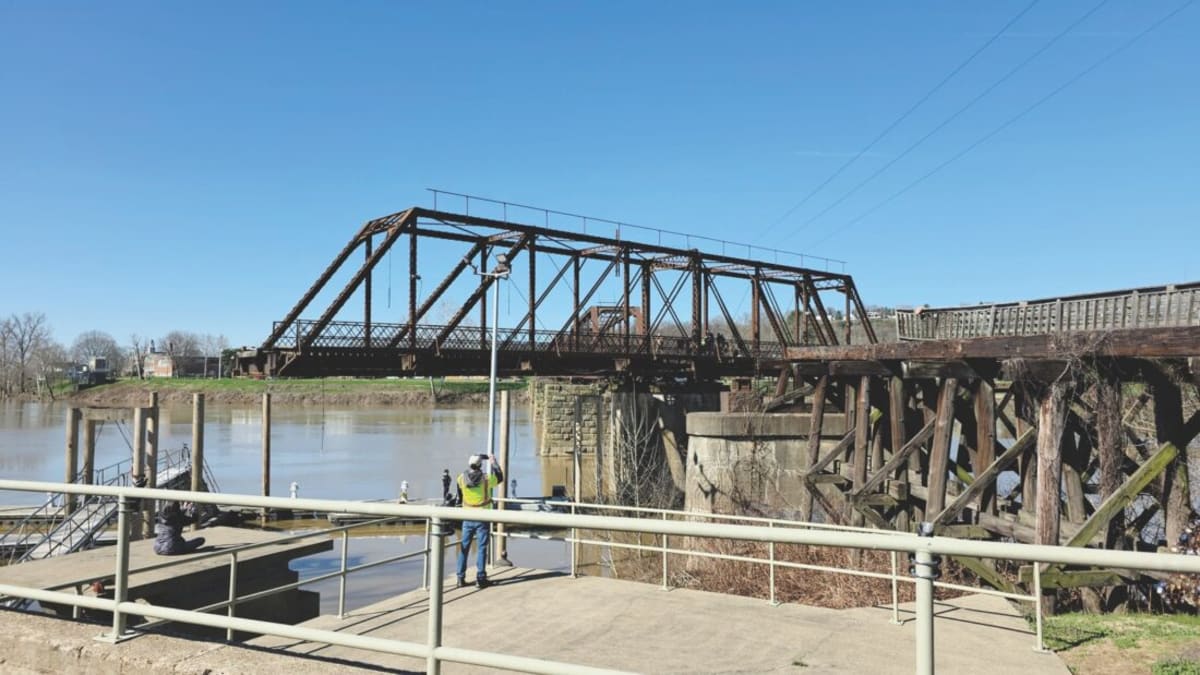
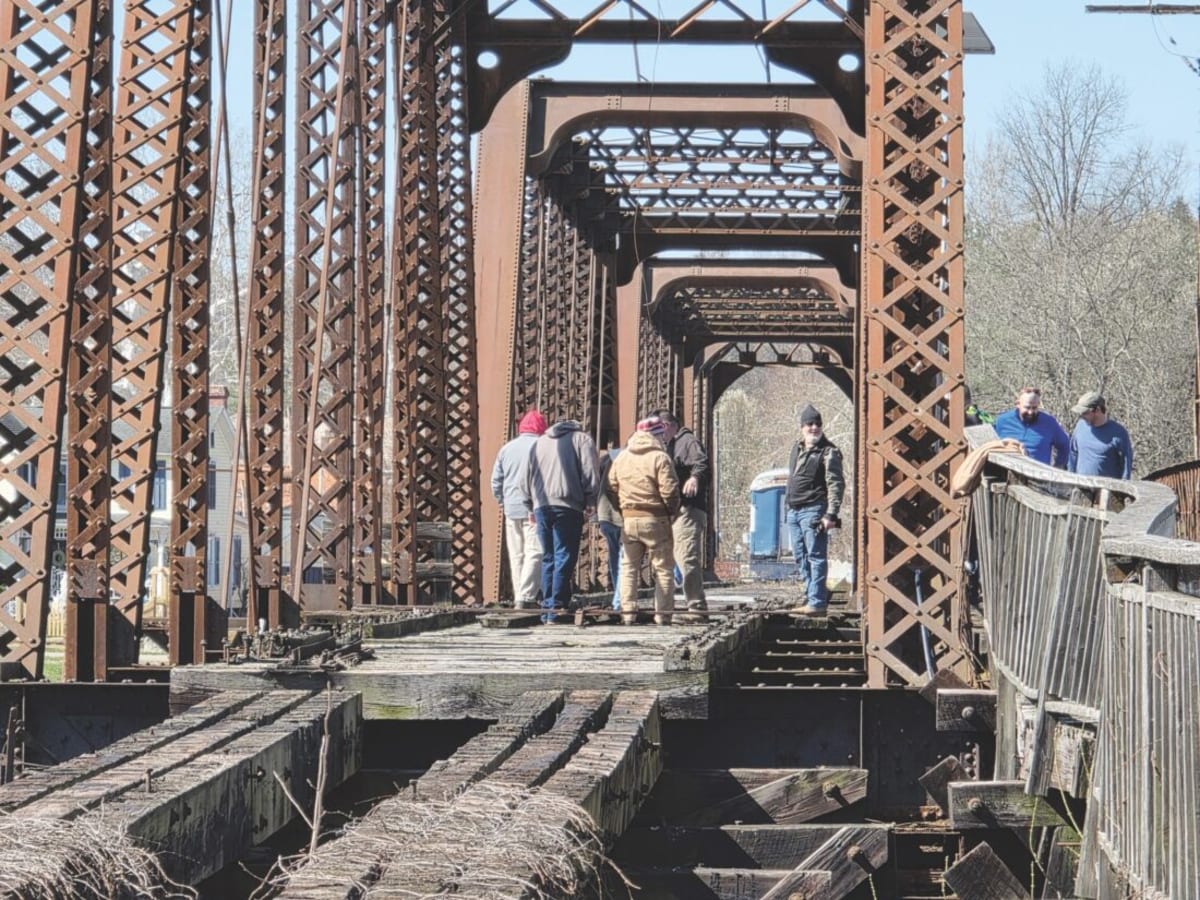
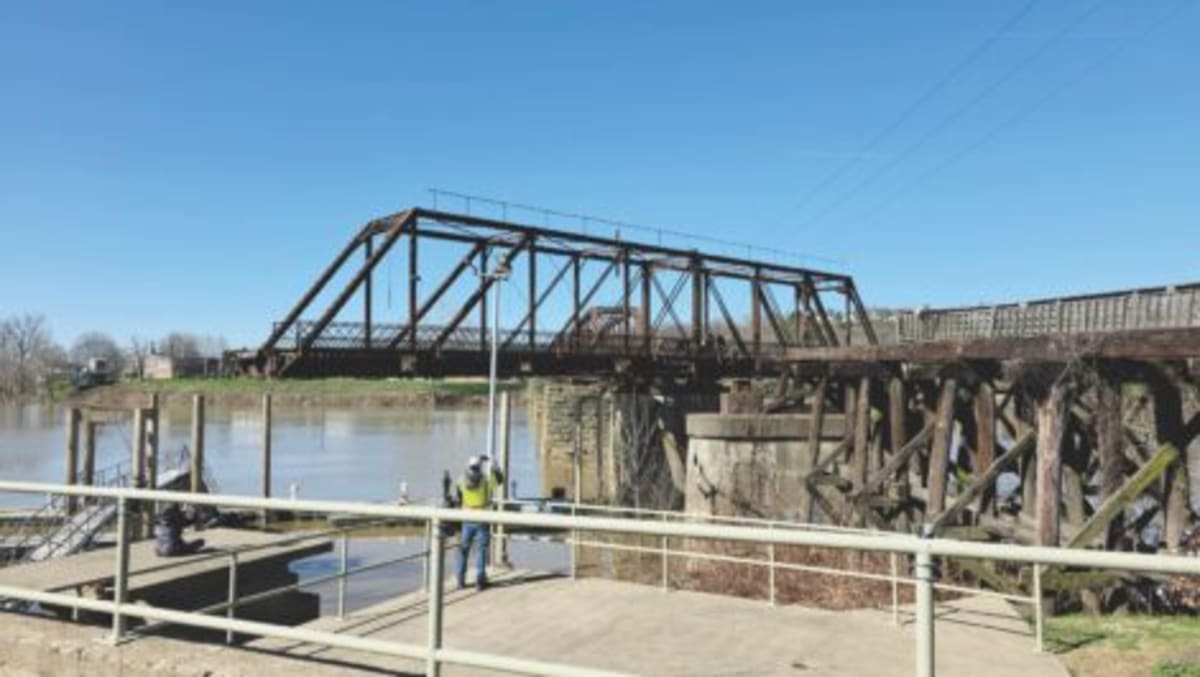
Volunteers joined engineers in Marietta, Ohio this week to manually turn the historic Harmar Bridge's massive swing span, allowing inspectors to examine its aging mechanical systems up close. The hand-cranked effort marked the first in-depth inspection in years for the long-closed landmark that once connected Marietta with Harmar Village.
"Back in the day, when that was new and working properly, you likely would have been able to turn that bridge with four people," said Geoff Schenkel, development director for the city of Marietta. "But now, because it's aged, things are kind of grinding."
As volunteers cranked the gears by hand, specialists crawled beneath the bridge to watch how the mechanical parts meshed together. Engineering firm American Structurepoint conducted the inspection to create a roadmap for restoring the structure as a pedestrian connection between the two sides of the community.
Natalie Bradley, executive director of the Historic Harmar Bridge Company, said the inspection represents a turning point for the project. "What this means is we know how to move forward responsibly," she said.
The inspection became possible through roughly $2 million in combined grant funding from federal and state sources, including the Ohio Department of Transportation's Transportation Alternatives Program and coastal management grants. The Historic Harmar Bridge Company matched between 5% and 20% of various grants to make the project happen.
The Ripple Effect
The bridge restoration goes beyond preserving history. For residents on both sides of the river, reopening the span means shorter walks to visit neighbors, easier access to local businesses, and a restored sense of connection that disappeared when the bridge closed.
"Our main goal is to connect east with west," Bradley said. "It just means connection, community and making it passable."
Multiple partners worked together to secure funding and coordinate the inspection, demonstrating how communities can rally around shared landmarks. The two-day inspection will now guide decisions about which mechanical systems need replacement and how to safely restore the bridge for pedestrian use.
The results will serve as a blueprint for the next phase of restoration work, bringing Marietta and Harmar Village closer to the day when neighbors can once again meet in the middle of their historic bridge.
More Images
Based on reporting by Google: volunteers help
This story was written by BrightWire based on verified news reports.
Spread the positivity!
Share this good news with someone who needs it