Volunteers Find 22,000 Species in Great Smoky Mountains
A volunteer group dubbed GRISLD is quietly documenting every living thing in America's most biodiverse national park, discovering over 1,000 species new to science. Their work matters more than ever as climate change reshapes mountain ecosystems.
A team of volunteers trudging through misty forest trails in Great Smoky Mountains National Park just spotted a rare lichen that appears in no guidebook. They're now naming it themselves.
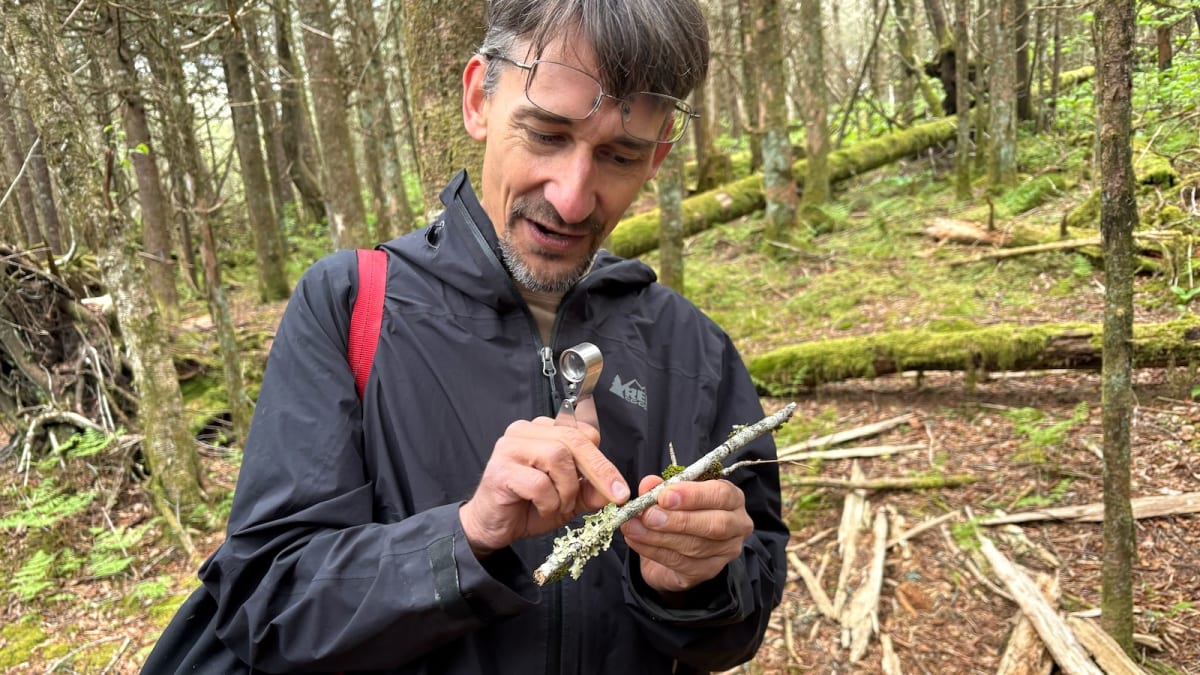
James Hollinger, a retired computer scientist turned lichen enthusiast, leads a group that calls themselves the Gang of Retirees in Search of Life's Diversity, or GRISLD for short. Their mission sounds simple but feels massive: document every single species living in the Smokies before climate change transforms the landscape forever.
The numbers tell an incredible story. Since 1998, volunteers and scientists have documented over 22,000 species in the park. More than 1,000 of them are completely new to science, and researchers believe that's only a quarter of what's actually living there.
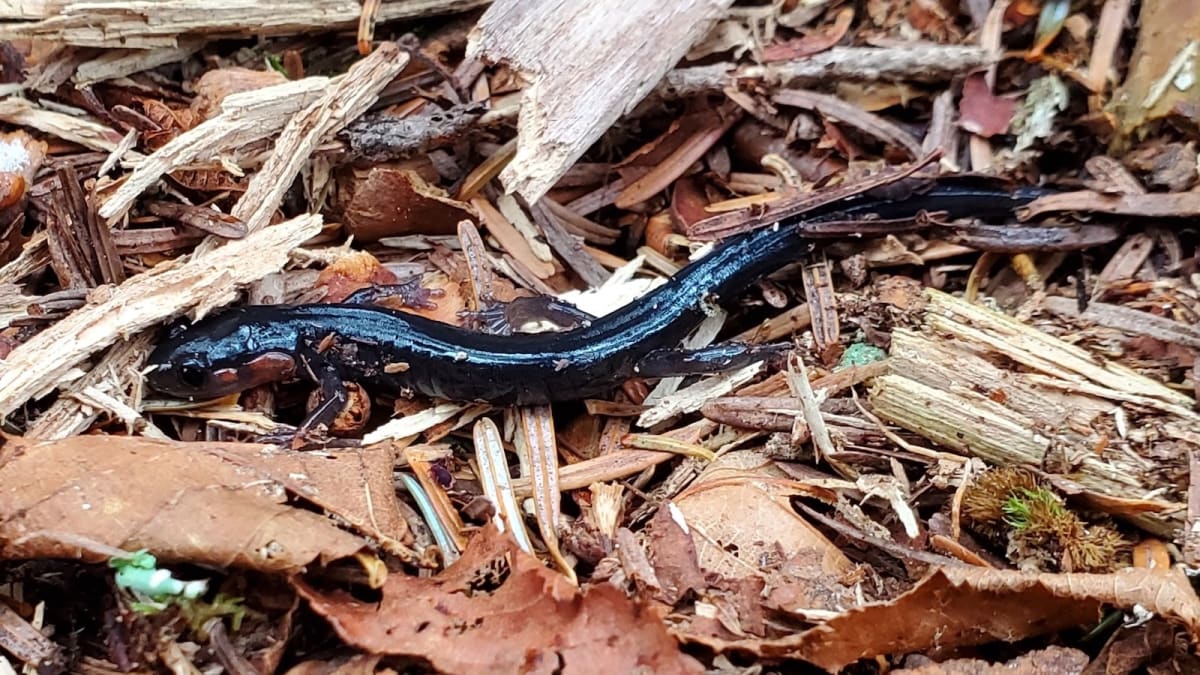
"We'll hike into these places that other researchers don't have the resources or funding to reach," Hollinger explains. His team spends hours moving slowly through remote corners, photographing tiny mosses, salamanders, and fungi that most visitors never notice.
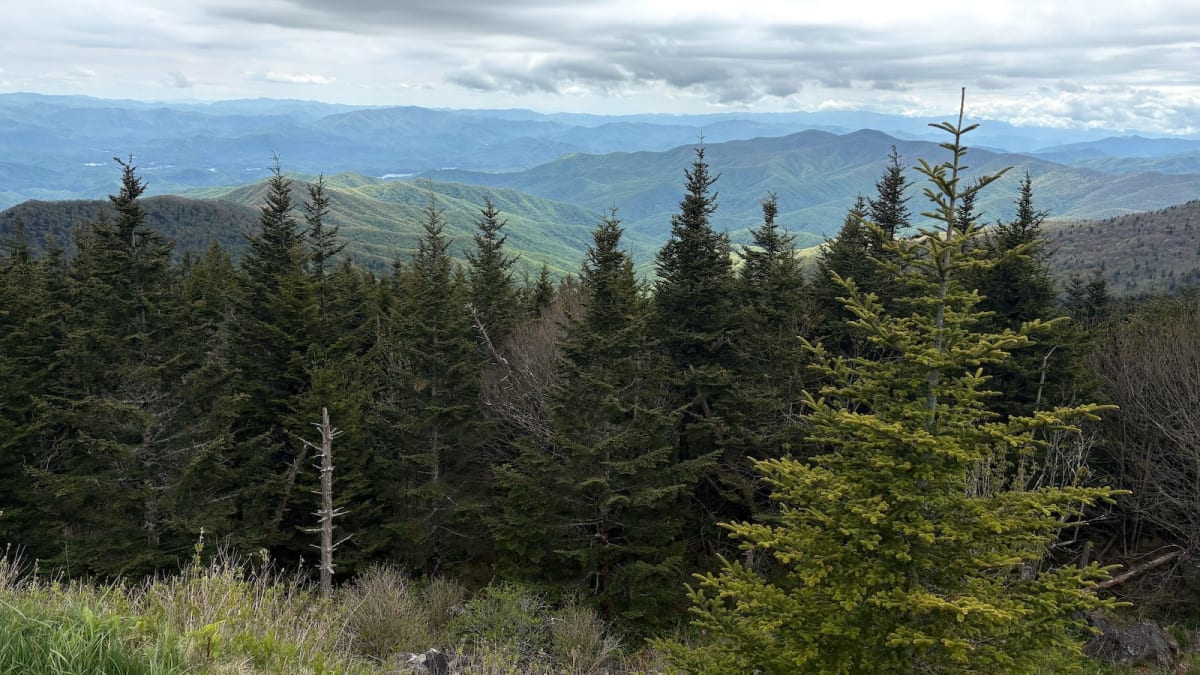
The Great Smoky Mountains holds the title as the most biodiverse site in America's national park system. Every square foot teems with life: lichens clinging to bark, fungi hidden in fallen logs, salamanders darting beneath damp leaves.
Laura Boggess, a lichenologist joining a teaching job this fall, recently counted 17 different moss and lichen species on just one side of a single tree. That's the level of detail this volunteer army brings to the mountains year-round, filling gaps when academic researchers head home for winter.
The Ripple Effect
This work reaches far beyond cataloging curiosity. The tiny organisms volunteers track hold moisture in the mountains, keeping them cool and foggy. If they disappear, the entire water cycle changes for everyone living downstream.
Will Kuhn manages the research for nonprofit Discover Life in America, which partners with the park. He says finding new species happens regularly because smaller creatures like mites and microscopic rotifers remain seriously understudied.
The volunteers' timing couldn't be more critical. Retired biologist Paul Super has watched warming temperatures ripple through the food chain over decades, making way for invasive parasites killing trees. Federal budget cuts threaten long-term monitoring just as climate changes accelerate.
But the mountains' varied elevations create countless microclimates that may help species survive by providing pockets of cooler habitat. That's what makes documenting everything now so urgent: understanding what lives where today helps scientists track where species move tomorrow.
The partnership between the Park Service, local nonprofits, and passionate volunteers creates a model for protecting biodiversity when government resources fall short. These organizations recently even helped keep the park open during the 2025 government shutdown.
GRISLD uploads every photo to iNaturalist, a citizen science database where anyone can contribute. Their quiet work in wet forests and hidden valleys is building a living library of mountain biodiversity, one lichen at a time.
More Images


Based on reporting by Grist
This story was written by BrightWire based on verified news reports.
Spread the positivity!
Share this good news with someone who needs it