Volunteers Find Coral Giant Half the Size of Soccer Field
A mother and daughter diving team discovered what may be the largest coral colony ever documented on the Great Barrier Reef, spanning nearly 4,000 square meters. The find offers hope that resilient coral strongholds still exist despite increasing bleaching threats.
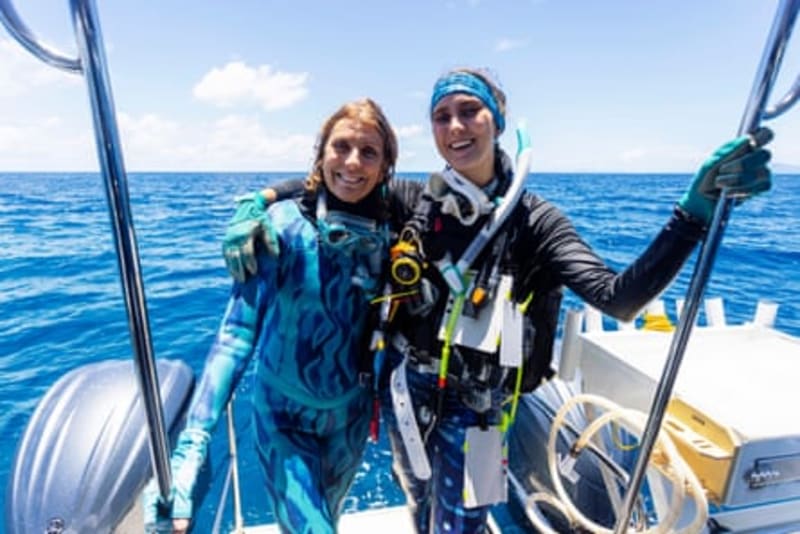
After 35 years of diving the Great Barrier Reef, Jan Pope spotted something she'd never seen before: a strange pattern shimmering beneath glassy waters just hours offshore from Cairns.
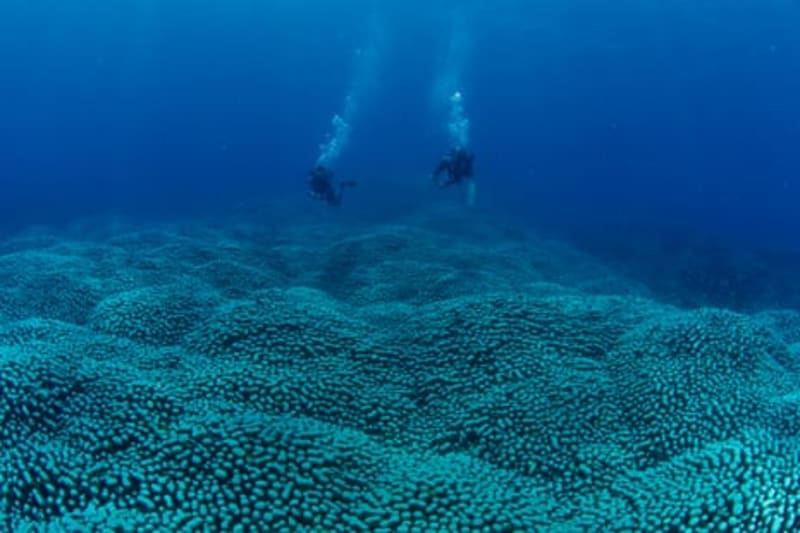
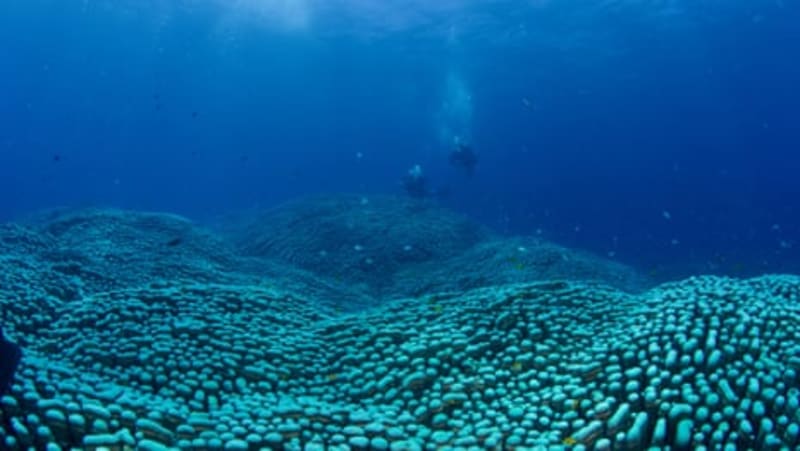
When she jumped in, Pope realized she'd discovered what scientists believe is one of the largest coral colonies ever documented on the Great Barrier Reef. The massive Pavona clavus coral stretches 111 meters in length and covers 3,973 square meters, about half the size of a soccer field.
"It looks like a rolling meadow," Pope said, describing the surreal underwater landscape. Two weeks later, her daughter Sophie Kalkowski-Pope returned to survey the site with her.
The discovery came through the Great Reef Census, a citizen science project run by Citizens of the Reef. Volunteers like Pope and her daughter collect images to monitor coral health across the reef, having surveyed a quarter of it since 2020.
The team used photogrammetry to map the giant coral, stitching together photographs into a 3D model. The coral ended up being even bigger than initially thought, according to research engineer Serena Mou.
"We had no idea that something so significant was right here on our doorstep," Kalkowski-Pope said. She coordinates marine operations for Citizens of the Reef and hopes finds like this will help identify "hotspots of resilience" that can supply other reefs with larvae when corals spawn.
Dr. Tom Bridge, curator of corals at the Queensland Museum, confirmed the discovery is remarkable. Pavona clavus is uncommon and hard to find, but where it exists, "it can form really, really ridiculously huge colonies."
The find matters now more than ever. Bridge noted that massive, ancient coral colonies are becoming exceedingly rare as bleaching events increase in both severity and frequency.
Why This Inspires
This discovery shows that everyday people can make extraordinary contributions to science. Pope and her daughter weren't professional researchers, just dedicated volunteers willing to explore their backyard waters.
Their find also proves that pockets of resilience still exist on the Great Barrier Reef. While coral bleaching threatens these ancient organisms, discovering strongholds like this one helps scientists identify which corals can withstand heat stress and potentially repopulate damaged areas.
The coral could be hundreds of years old, having survived numerous environmental challenges. Scientists now need over 300 genetic samples to confirm whether it grew from a single polyp or multiple colonies that merged together over time.
The discovery joins another record-breaker found in 2024: a coral of the same species measuring just over 1,000 square meters in the Solomon Islands.
Pope's three-decade dedication to the reef, now shared with her daughter, proves that patience and passion can lead to discoveries hiding in plain sight.
More Images

Based on reporting by Google News - Scientists Discover
This story was written by BrightWire based on verified news reports.
Spread the positivity!
Share this good news with someone who needs it