Volunteers Help NASA Track Meteorites Hitting the Moon
While Artemis II astronauts circled the Moon in April, volunteers with backyard telescopes spotted bright flashes of space rocks striking the lunar surface. Now NASA needs more amateur astronomers to keep watching and submit their videos.
If you own a telescope, you can help NASA scientists study what's happening on the Moon right now.
During the Artemis II mission in early April, astronauts witnessed something spectacular as they orbited the Moon. They saw bright flashes of light as meteoroids slammed into the lunar surface. At the exact same time, volunteers on Earth pointed their own telescopes at the Moon and captured the same impacts on video.
"We were incredibly grateful for the videos people submitted," said Ben Fernando, a planetary scientist at Los Alamos National Laboratory who leads the Impact Flash project. The project combines observations from different locations to figure out where impacts happen, how bright they are, and what kind of space rocks are hitting the Moon.
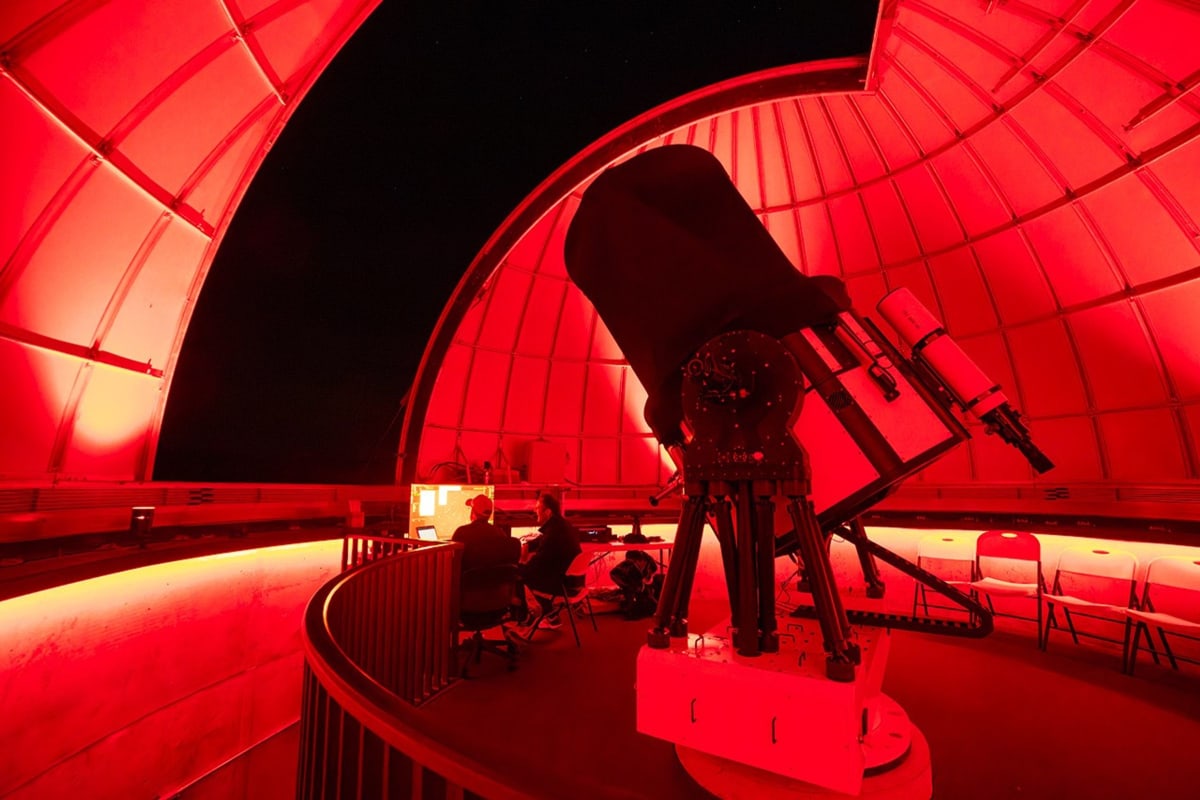
The astronauts have returned home, but the real work is just beginning. Scientists need ongoing help from anyone with a telescope four inches wide or larger that can record video. Your backyard observations genuinely matter to NASA's research.
Every video you submit helps scientists calculate how often the Moon gets hit by meteoroids and whether that rate changes over time. The more data they collect, the clearer the picture becomes.
The Ripple Effect
Your moon watching will do more than count craters. NASA plans to send seismometers to the Moon to measure moonquakes, similar to earthquakes on our planet. These tremors reveal what lies beneath the lunar surface.
"Your measurements of impact flashes will help us work out the sources of moonquakes we detect," Fernando explained. When scientists know exactly where and when an impact happens, they can connect it to the moonquake data and build a map of the Moon's interior.
The Impact Flash team partnered with several groups of amateur astronomers during Artemis II, including other NASA-funded projects and teams in Italy. Volunteer Joerg Tomczak already submitted photos showing a bright impact flash candidate he captured with his telescope.
You can find instructions for recording and uploading your observations at the Impact Flash website. No special training required, just a telescope and clear skies.
Citizen scientists around the world are building a real-time map of what's happening on our closest neighbor in space, one flash at a time.
More Images

Based on reporting by NASA
This story was written by BrightWire based on verified news reports.
Spread the positivity!
Share this good news with someone who needs it