Volunteers rebuild 28 schools for 10,000 Jamaican kids
When Hurricane Melissa destroyed classrooms at a Jamaican school, volunteers returned to rebuild them stronger than before. It's just one chapter in a 20-year effort that has transformed education for 10,000 children across rural Jamaica.
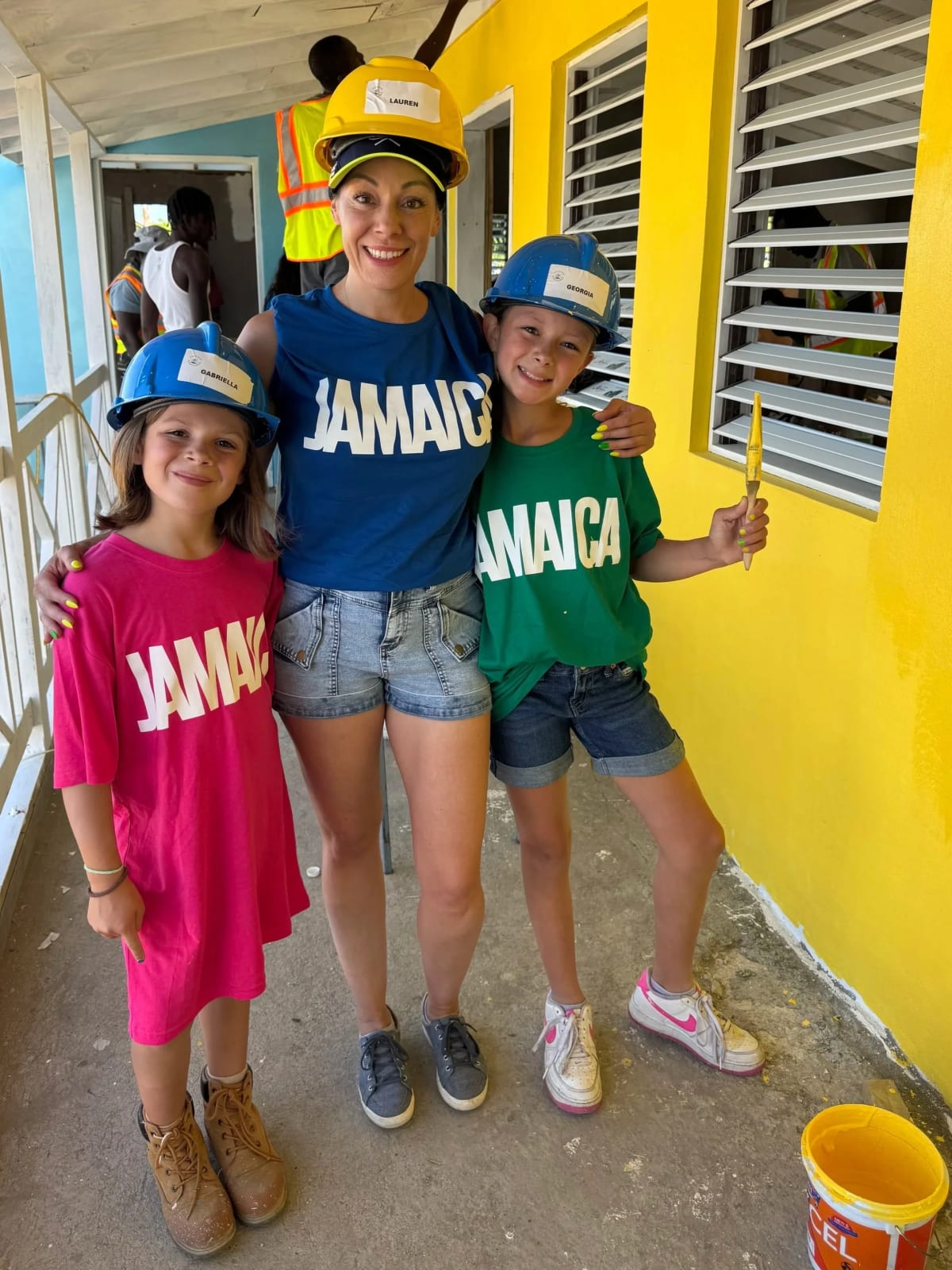
Two young sisters jumped out of bed at 5 a.m. every morning, eager to carry building materials under the blazing Caribbean sun. Their enthusiasm captured exactly what the Helping Hands Jamaica Foundation has sparked over two decades of service.
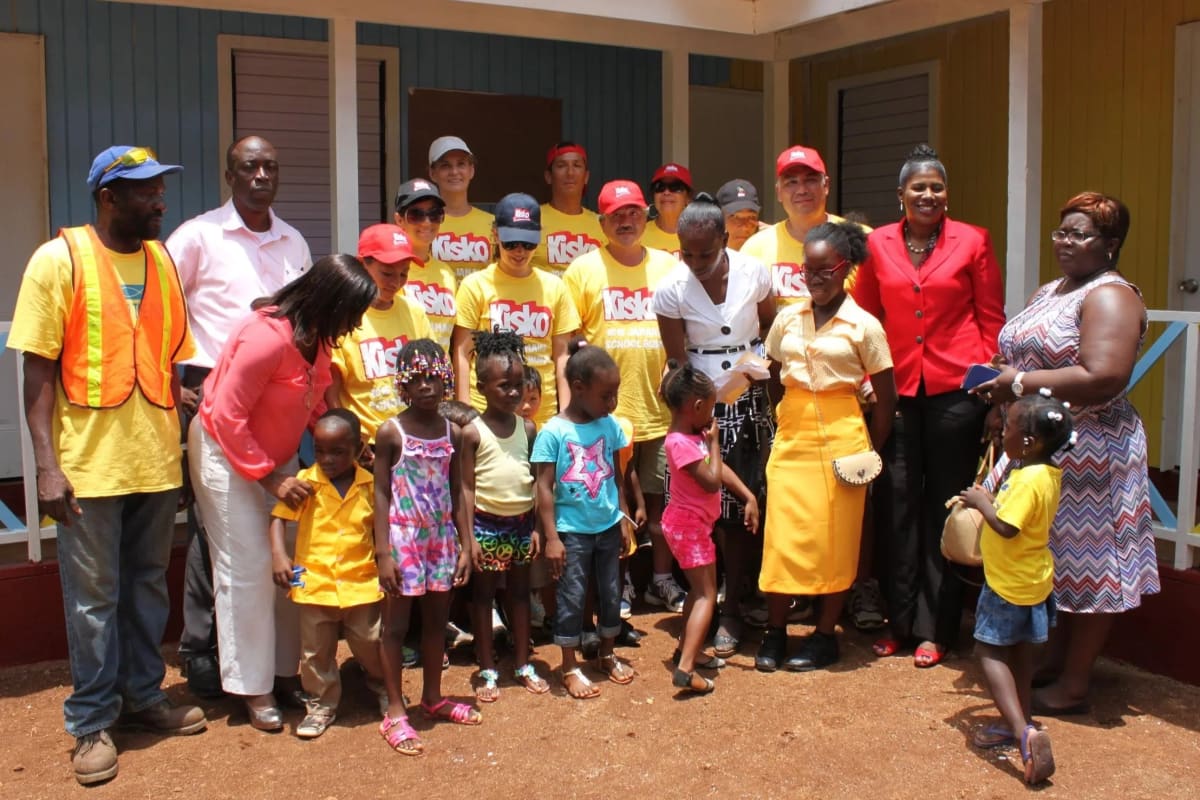
The foundation celebrated 20 years of building hope this month, having constructed and restored 28 kindergarten schools across Jamaica. Working with Food For The Poor Canada and hundreds of volunteers, the organization has created educational opportunities for more than 10,000 children in rural communities.
The journey began in 2005 with a small group discussing how to improve education back home. Founder Karl Hale never imagined that meeting would grow into one of the Jamaican diaspora's most successful educational initiatives.
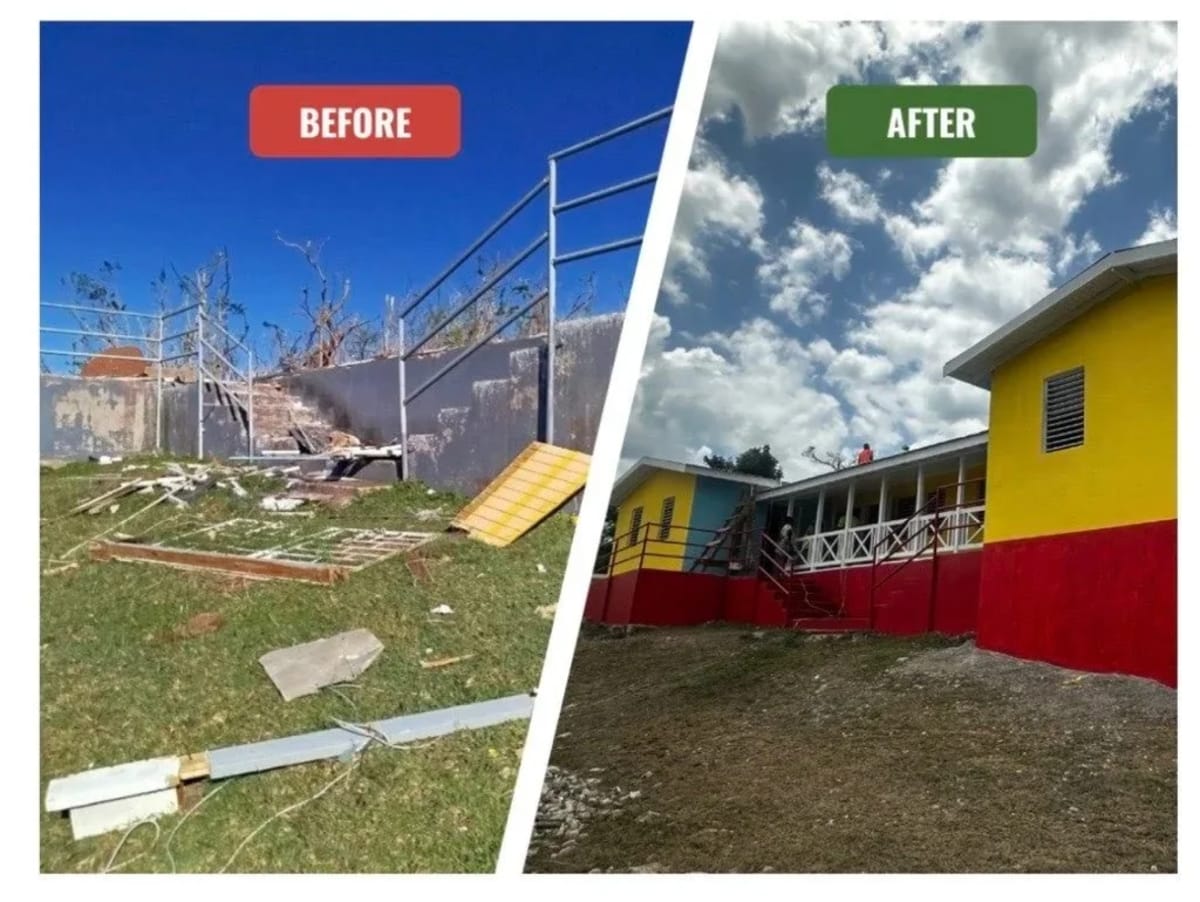
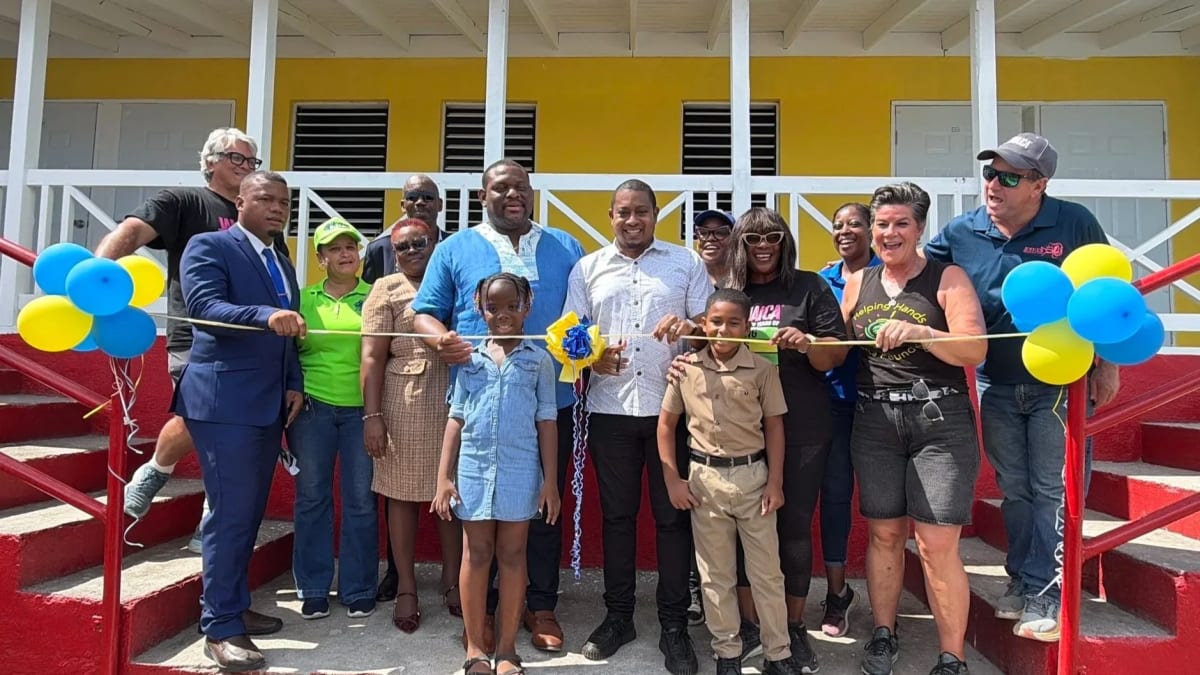
About 50 volunteers traveled to St. Elizabeth this month to rebuild Fyffes Pen Primary and Infant School, originally constructed by Helping Hands in 2019. Hurricane Melissa destroyed the wooden classroom block last October, forcing classes into makeshift shelters covered with tarpaulins.
The timing couldn't have been more critical. When volunteers first built the three-classroom block, enrollment had surged from 106 to 202 students as improved learning conditions transformed the struggling rural school into a modern education center.
Principal Mordant Mitchell watched his students' academic performance strengthen and confidence grow. Then the hurricane hit, undoing years of progress in a single night.
Volunteers returned and rebuilt the classrooms in reinforced concrete, creating a structure that can withstand hurricane-force winds. The building now stands stronger than before, ready to serve generations of students.
What makes this possible is remarkably simple efficiency. The foundation operates without an office, runs entirely on volunteer leadership, and directs virtually every dollar raised straight to Jamaica. Building a single kindergarten now costs about $250,000, but exceptionally low overhead means donations create maximum impact.
Lauren Wilmott brought her daughters, ages 9 and 11, on their first trip to Jamaica earlier this month. The Waterloo businesswoman expected to teach her children about gratitude and service but never imagined their enthusiasm for the work.
The Ripple Effect
The rebuilt classrooms represent something bigger than stronger buildings. They signal to rural communities that education matters, that children in forgotten areas deserve quality learning environments, and that people care enough to show up.
Mitchell calls it "a purposeful intervention of love for the marginalized in education." When the foundation, Food For The Poor Jamaica, government agencies, the Jamaica Tourist Board, and volunteers work together, communities witness what collective action can achieve.
Volunteer administrator Natasha Borota has worked with the organization for 11 years, managing operations out of her own business to keep costs down. That dedication mirrors the commitment of every volunteer who wakes before dawn to build, every donor who gives, and every child like Wilmott's daughters who discovers the joy of meaningful service.
After Hurricane Melissa damaged communities, supporters responded with contributions that helped rebuild not just one school but provided assistance across devastated areas. The outpouring proved that when crisis strikes, this network of helpers stands ready.
Twenty years, 28 schools, and 10,000 children later, the foundation continues proving that education can transform lives when good thoughts and helping hands come together.
More Images
Based on reporting by Google: volunteers help
This story was written by BrightWire based on verified news reports.
Spread the positivity!
Share this good news with someone who needs it