Volunteers Track Russian Supply Chains to Guide Sanctions
A global network of civilian volunteers is shaping economic sanctions against Russia by tracking the precise materials and supply chains keeping its war machine running. Their grassroots detective work is changing how governments fight wars economically.
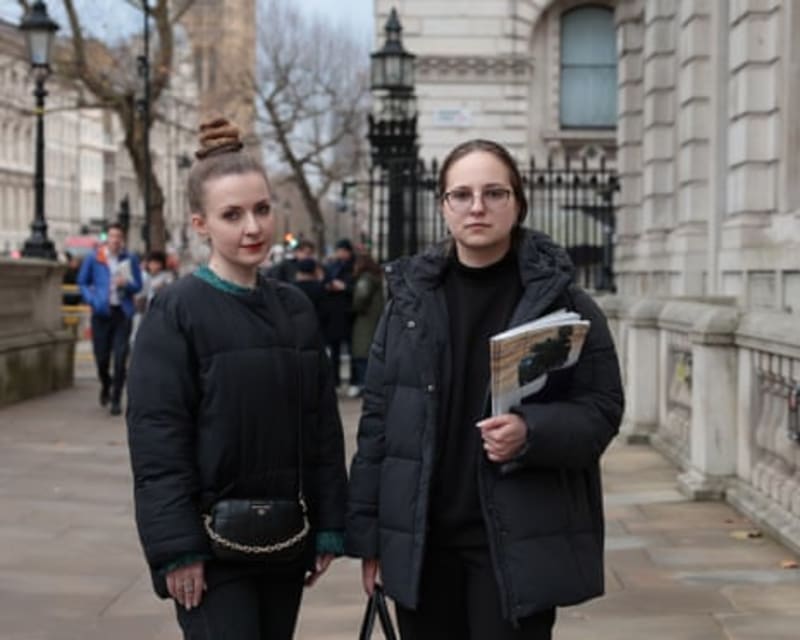
When Olena Yurchenko discovered a heated discussion on a Russian online forum in 2022, she had no idea her finding would reshape US and European sanctions policy. The 22-year-old Ukrainian had stumbled onto something crucial: Russia couldn't make the specialized machines needed to build its tanks and missiles.
Yurchenko had fled her bombed hometown for Latvia and joined volunteers pressuring Western companies to leave Russia. But she wanted to do more than name and shame.
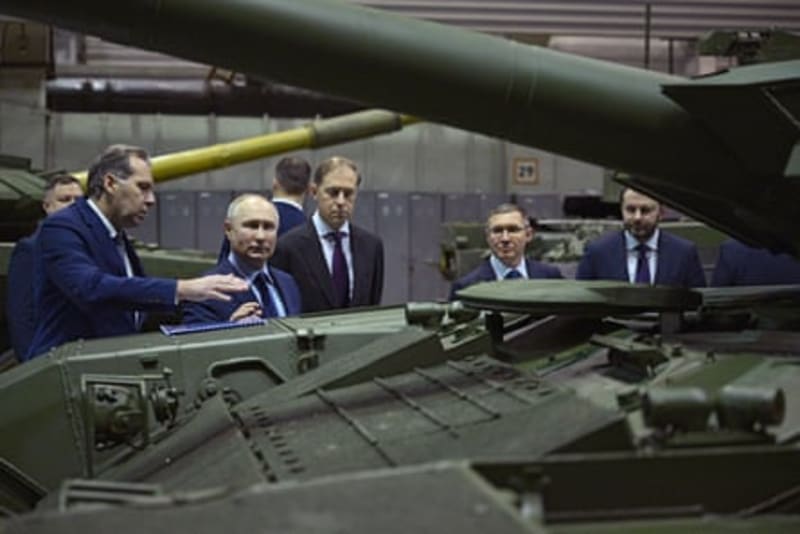
Her discovery focused on CNC machines, which precision-cut almost every modern military component from tank hulls to missile casings. Only a handful of companies worldwide manufacture them, and Russia isn't one of them. After a year of investigation and meetings, the EU and Biden administration added CNC machines to the sanctions list.
The results weren't immediate, but they mattered. Russia once bought 70% of its CNC machines from the West. Now it gets 80% from China, and the quality has dropped significantly. "Like a one-time razor," Yurchenko explained.
She's part of something unprecedented. More than any previous conflict, civilian volunteers and civil society groups have shaped economic warfare against Russia. Organizations like Ukraine's Economic Security Council, with just eight analysts, coordinate loosely with government efforts alongside Americans, Europeans and even Russians united in tracking what keeps Russia's war effort alive.
Together, they've mapped everything from Arctic barges made in Singapore to chromium mined in Kazakhstan. They've uncovered that Russian corvettes use Chinese copies of German engines because Russia can't make its own diesel engines. They've traced mechanical lubricants and identified which industrial specialists Russia lost after the Soviet Union collapsed.
"They have the energy and investigative wherewithal to really drill down on supply chain dynamics," said Laura Cooper, former US deputy assistant secretary of defense. Government offices are overworked and under-resourced. These volunteers fill critical gaps with precision and dedication.
Denmark's sanctions coordinator Simon Kjeldsen confirmed that many of the EU's 19 sanctions packages have closed loopholes based directly on discoveries by Ukrainian civil society organizations.
The Ripple Effect
This citizen-led economic detective work is reshaping modern warfare. Sanctions work slowly, like small cuts that accumulate over time. The EU's sanctions envoy reported this month that Russia's war efforts are becoming "unsustainable" as sanctions distort its economy.
These volunteers prove that ordinary people with determination can influence global conflicts without firing a shot. Their painstaking research into supply chains and manufacturing dependencies has given governments the precise intelligence needed to pressure Russia's industrial base effectively.
From her computer in Latvia, Yurchenko and thousands like her worldwide are fighting a different kind of war, one spreadsheet and forum post at a time.
More Images

Based on reporting by Google: volunteers help
This story was written by BrightWire based on verified news reports.
Spread the positivity!
Share this good news with someone who needs it