Volvo and Hitachi Team Up for Zero-Emission Construction
Two industrial giants are joining forces to make construction sites cleaner and quieter. Their partnership could finally solve the puzzle of getting electric equipment to work seamlessly on real job sites.
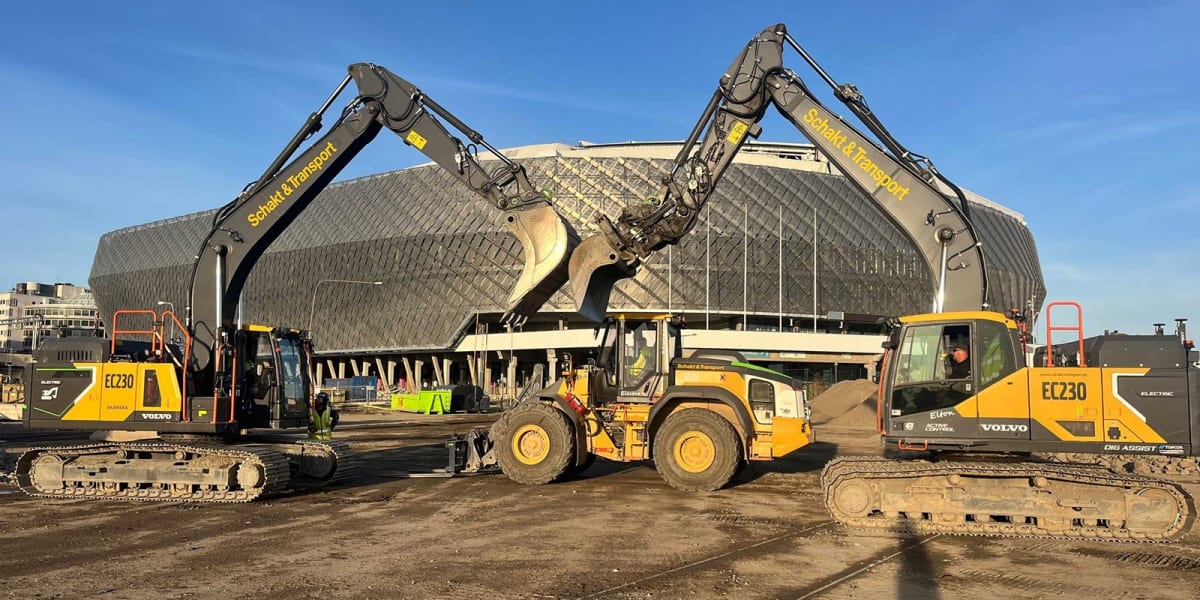
Construction sites might soon trade their diesel roar for electric hums, thanks to a new partnership between Volvo Construction Equipment and Hitachi Energy.
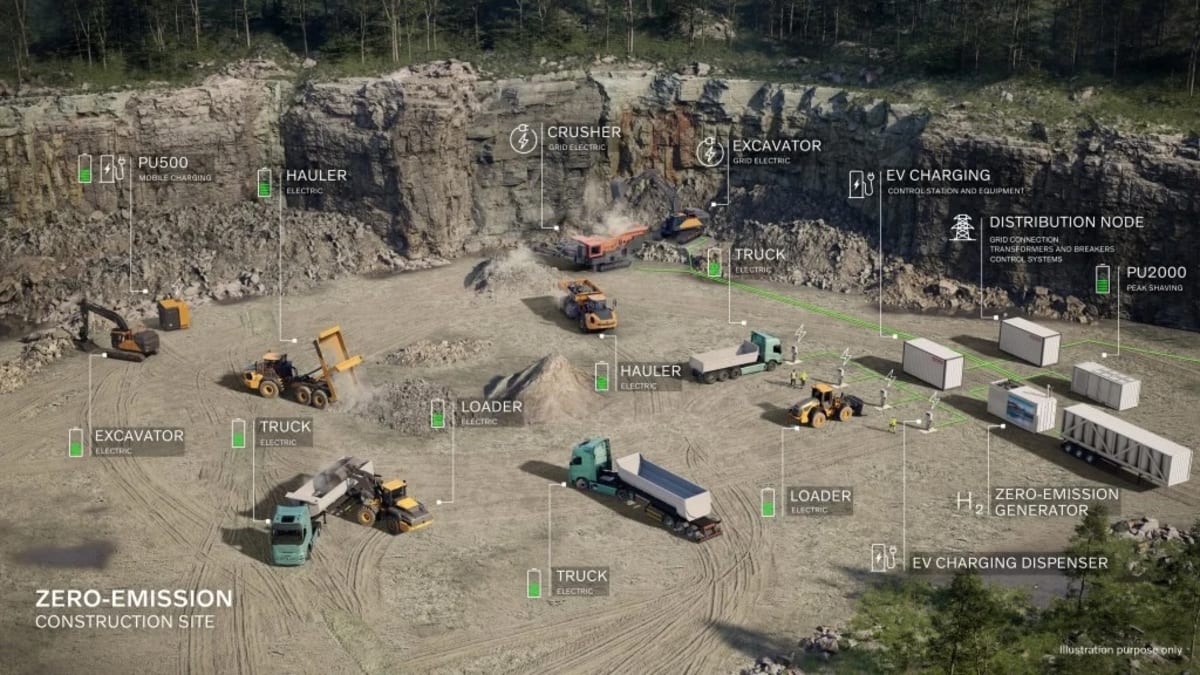
The two companies signed an agreement to develop fully integrated electric construction systems. This means not just building electric excavators and bulldozers, but figuring out how to power them, charge them, and keep entire job sites running on clean energy.
The challenge has never been about making one electric machine work. It's about making dozens of them work together on a sprawling construction site, all day, every day. Volvo and Hitachi are tackling that bigger picture by combining their expertise in electric equipment and energy management systems.
"Electrification is a game changer in the decarbonization puzzle, particularly for hard to abate environments such as construction sites," says Niklas Persson, CEO of Grid Integration at Hitachi Energy. Construction sites have long been among the toughest places to cut emissions because of their intense energy demands and remote locations.
The partnership makes strategic sense. Hitachi brings massive electric haul trucks and hydrogen fuel cell technology that don't compete with Volvo's product line. Volvo contributes its construction equipment expertise and energy storage systems through its Penta division.
Their initial focus will be developing business models and strategies to help construction companies actually make the switch. Having the technology isn't enough if companies can't figure out how to implement it profitably.
The Ripple Effect
This partnership addresses one of the biggest roadblocks to sustainable construction. When customers see a complete, tested solution rather than scattered pieces they need to puzzle together themselves, adoption becomes dramatically easier. Construction companies get the confidence to invest in zero emission equipment knowing the entire system will actually work.
The collaboration could accelerate progress across the industry as other manufacturers watch and learn. When major players like Volvo and Hitachi commit resources to solving integration challenges, they create blueprints that smaller companies can follow.
Quieter, cleaner construction sites also mean healthier workers and neighbors who can breathe easier.
The future of construction might look and sound completely different, and that future just moved closer to reality.
More Images


Based on reporting by Electrek
This story was written by BrightWire based on verified news reports.
Spread the positivity!
Share this good news with someone who needs it