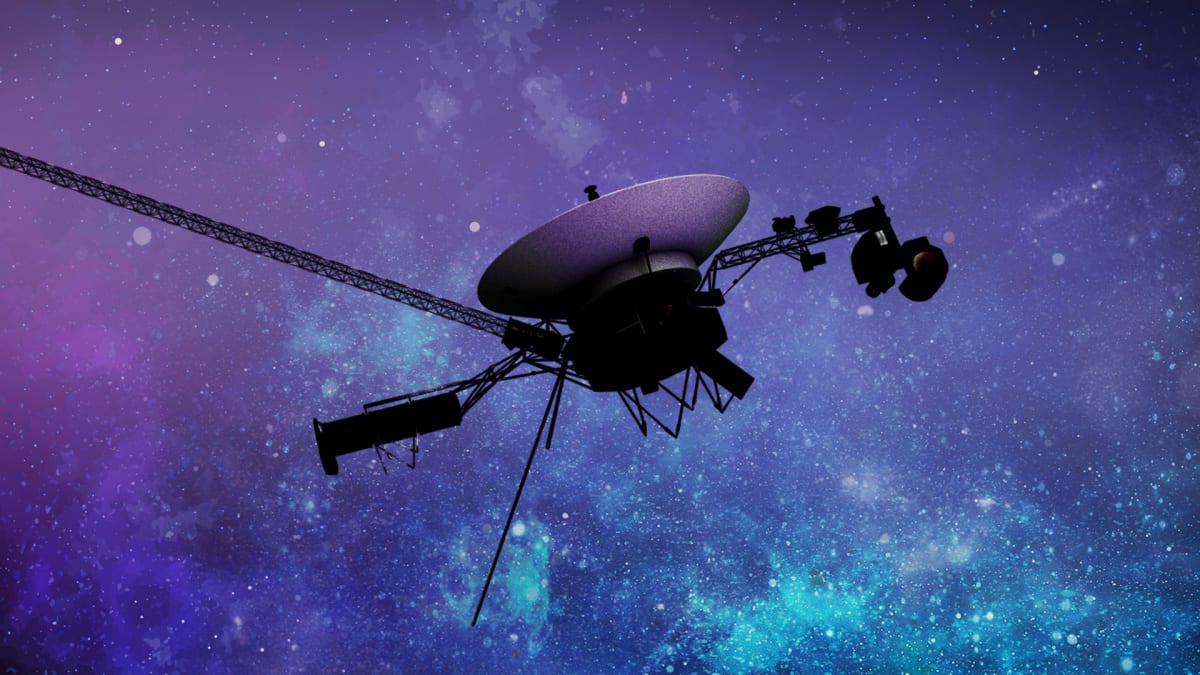
Voyager 1 Powers Down After 49 Years, Still Going Strong
NASA engineers made a tough call to keep humanity's farthest spacecraft alive by shutting down an instrument that's been running for nearly half a century. The decision buys more time for the 1977 mission that's still sending groundbreaking data from interstellar space.
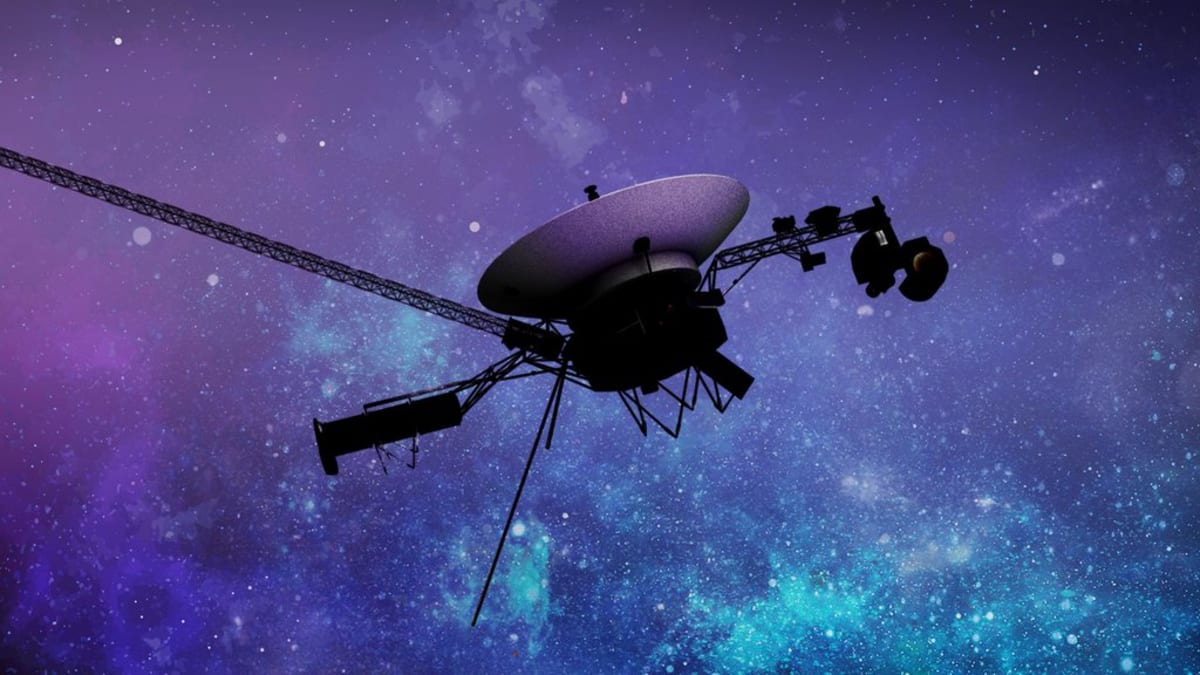
Nearly 49 years after leaving Earth, Voyager 1 just got a little quieter, but it's still going strong.
On April 17, NASA engineers shut down the Low-energy Charged Particles experiment aboard Voyager 1 to conserve power. The nuclear-powered spacecraft is running low on energy, and this careful sacrifice keeps humanity's first interstellar explorer operational for years to come.
The instrument, known as LECP, has been measuring cosmic rays and charged particles from beyond our solar system almost continuously since launch in 1977. For nearly five decades, it's collected data that no other spacecraft can provide about the mysterious space between stars.
Voyager 1 and its twin, Voyager 2, are the only spacecraft far enough from Earth to study this frontier. The information they send back reveals pressure fronts and particle density changes in the interstellar medium, helping scientists understand what exists beyond our sun's protective bubble.
This wasn't a hasty decision made in crisis. Years ago, NASA's Voyager team sat down and created a careful plan for which instruments to power down and when. They prioritized keeping the mission alive while protecting its most valuable science capabilities.
Of the 10 identical instrument sets each Voyager carries, seven have now been shut off. The LECP was next on the list for Voyager 1. Engineers powered down the same instrument on Voyager 2 just last month.
Why This Inspires
What makes this moment truly remarkable isn't what's ending, but what continues. A spacecraft designed when disco ruled the airwaves and calculators were cutting-edge technology is still teaching us about the universe.
The Voyager team's foresight decades ago means this mission keeps adapting and surviving. Every time they power down an instrument, they're choosing hope over nostalgia, prioritizing the science still ahead over the data already collected.
These spacecraft have traveled farther from Earth than any human-made object in history, and they're not done yet. Each careful decision to conserve power extends their journey, pushing the boundaries of human exploration a little farther into the cosmos.
Voyager 1 continues sending data from over 15 billion miles away, a testament to both brilliant engineering and the people who refuse to let humanity's interstellar ambassadors go silent.
More Images
Based on reporting by Google News - Science
This story was written by BrightWire based on verified news reports.
Spread the positivity!
Share this good news with someone who needs it
_07_03_2026_03_50_21_133108.jpg)