VR Chess Games Cut Loneliness in Hong Kong Seniors
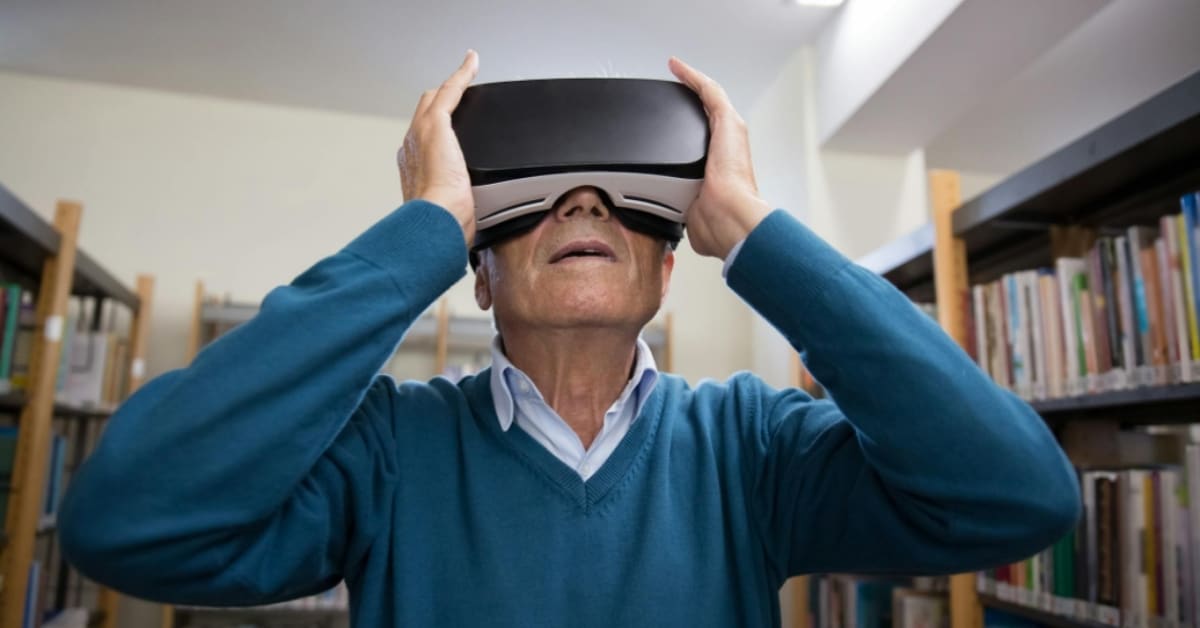
Older adults in Hong Kong are finding friendship and mental sharpness through virtual reality chess games designed by university researchers. The digital park where they play has become an unexpected cure for isolation.
Seniors in Hong Kong are gathering in a virtual park to play Chinese chess, and the results are turning heads in the medical community.
Researchers at the Hong Kong University of Science and Technology created a VR space where 18 older adults could play Xiangqi and chat in a digital "Cultural Corridor" after their matches. The seniors reported feeling more connected to others, with many saying they loved having the choice to play or watch.
Lead author Qianjie Wei, now a PhD student at the University of Rochester, explains why Chinese chess works so well for this age group. "In order to win or play well in the game, players need to coordinate and work with various abilities such as attention, memory, logical thinking, and decision-making," she says.
Those mental gymnastics aren't just fun. Repeated use of these cognitive skills during gameplay actually helps maintain and improve brain function in older adults.
But the real magic happens after the game ends. The social aspect matters just as much as the mental workout, providing emotional support and community bonding that many isolated seniors desperately need.
The Ripple Effect
Wei and her team aren't stopping at chess. They're already exploring how other cultural activities could bring similar benefits to seniors from different backgrounds.
Future virtual spaces might include music sessions, calligraphy classes, or other interactive cultural projects. Wei has already studied how virtual shuttlecock games improve balance in older adults, proving that VR can address both mental and physical health challenges.
The technology offers something traditional social programs can't always provide: accessibility for seniors with mobility issues and the flexibility to connect on their own schedule. Players can join from home, eliminating transportation barriers that often keep isolated seniors from participating in community activities.
As loneliness becomes recognized as a serious health crisis among aging populations worldwide, this simple solution of combining familiar games with cutting-edge technology offers a template other communities could follow.
Sometimes the best way forward is meeting people where they are, even if that place is virtual.
More Images

Based on reporting by Good Good Good
This story was written by BrightWire based on verified news reports.
Spread the positivity!
Share this good news with someone who needs it