VR Game Helps Kids With Dyspraxia Build Motor Skills
A fun virtual reality game improved coordination in young people with dyspraxia after just one week of daily play. The home-based approach could make therapy more accessible and enjoyable for the two in every 30 children affected.
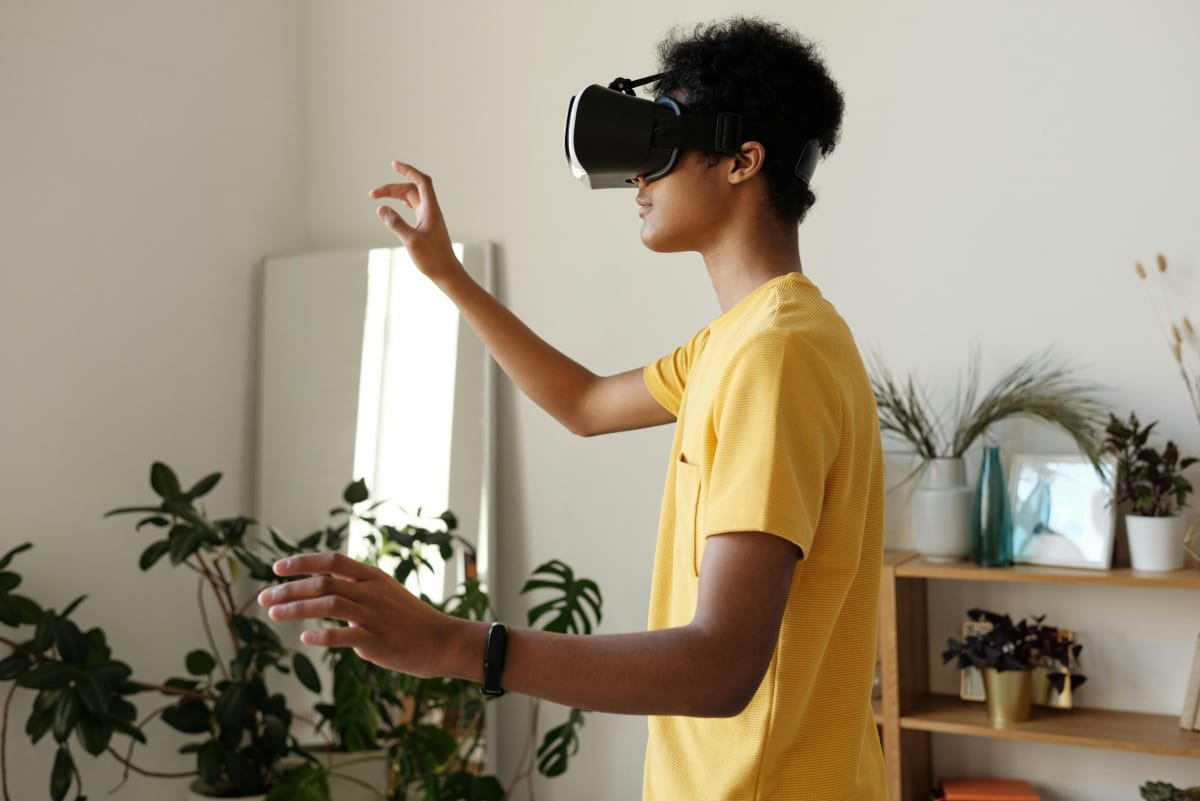
Just 30 minutes a day of playing a virtual reality rhythm game helped young people with dyspraxia dramatically improve their motor skills, according to promising new research from the University of Exeter.
The study followed 27 children and teens aged 10 to 16 who played Beatsaber, a VR game requiring players to slice through blocks with virtual lightsabers in time to music. After playing for 30 minutes daily for one week, participants showed measurable improvements in upper-body dexterity compared to when they played regular tablet games.
Dyspraxia, also called Developmental Coordination Disorder, affects movement and coordination in about two children in every classroom of 30 in the U.K. Kids with the condition often struggle with everyday tasks like tying shoelaces, writing, using scissors, or navigating crowded spaces.
Sixteen-year-old Frankie from Devon, who participated in the study, knows these challenges well. Diagnosed at age 8, he receives school support that allows him to use a laptop instead of handwriting his work.
"I used to hate the lunch queues because I would keep bumping into people, it was just the worst," Frankie shared. "I'm prone to dropping things and I tend to leave my laces done up as tying them can be difficult."
But the VR experience made a noticeable difference. "The games were really fun and I noticed I got quicker with the hand dexterity tasks, but my balance and hand-eye coordination also improved after using the VR," he said.
Why This Inspires
What makes this research especially exciting is its accessibility. Traditional therapy for dyspraxia often requires specialized equipment and professional supervision, creating barriers for many families. This study showed that kids could make real progress at home with consumer VR equipment, turning therapeutic exercise into an engaging game.
Dr. Gavin Buckingham, the project supervisor, sees huge potential. "These findings provide some promising early evidence that virtual reality games like Beatsaber might be an effective way to improve motor control in children and adolescents with dyspraxia," he explained.
The next step is investigating whether VR could help children with dyspraxia enjoy a broader range of sporting activities at a young age, potentially opening doors that coordination difficulties often close.
For Frankie, the research means something more. "Dyspraxia isn't something you really see people talking about, so I hope that research like this can change that," he said.
The study represents a glimpse into a future where therapy feels less like work and more like play, and where young people facing coordination challenges have fun, effective tools to help them thrive.
More Images
Based on reporting by Medical Xpress
This story was written by BrightWire based on verified news reports.
Spread the positivity!
Share this good news with someone who needs it