VR Helps People See Solar Farms Work With Agriculture
Danish researchers used virtual reality to show 102 people how solar panels and farming can share the same land. Once participants understood the dual purpose, they rated these "agrivoltaic" systems more favorably than traditional solar parks.
Imagine looking at a field of solar panels and seeing not just energy production, but thriving farmland underneath. That's the promise researchers in Denmark are helping people understand through virtual reality.
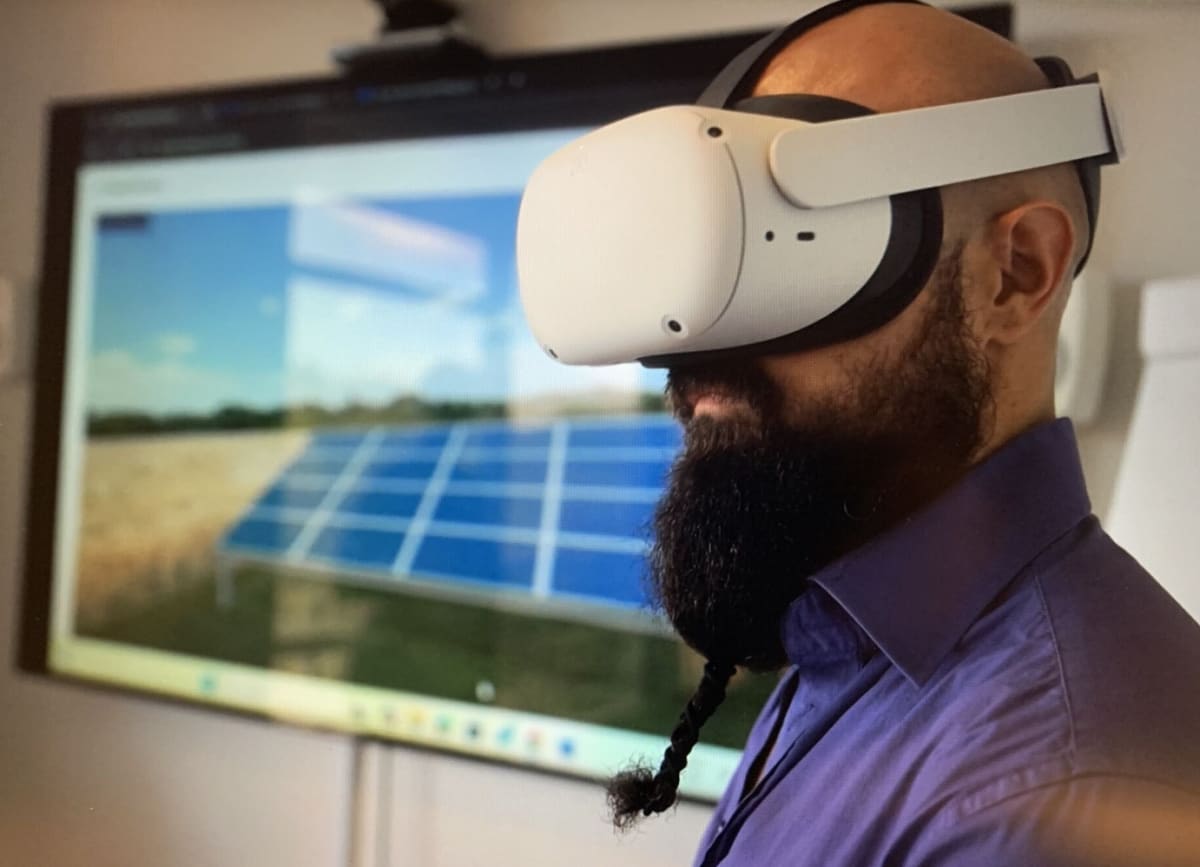
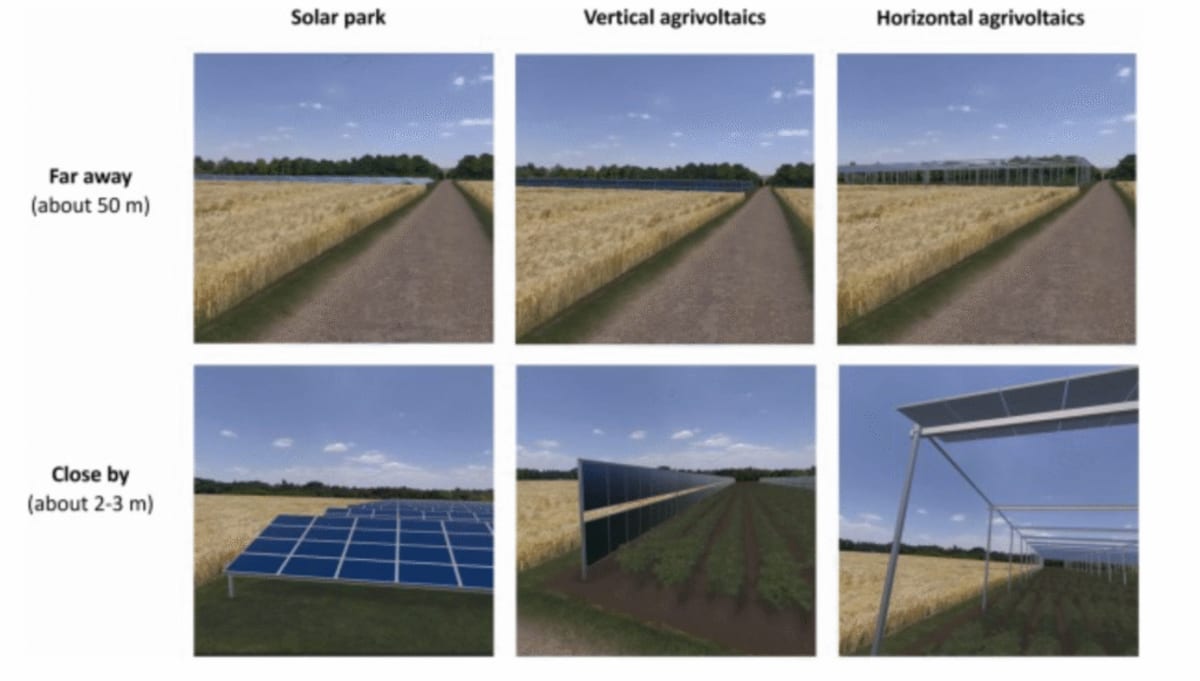
A team at Aarhus University created VR simulations showing how agrivoltaic systems work, letting participants compare traditional solar parks with panels designed to allow farming beneath and around them. The technology let 102 people view three different solar setups from two distances: about 50 meters away and up close at just 2 to 3 meters.
The transformation in understanding was striking. Most participants started with little knowledge of agrivoltaics and initially reacted only to how the installations looked in the landscape.
But when they moved to the closer view and could see how crops could still grow alongside the panels, their perspective shifted. They stopped seeing panels occupying farmland and started seeing a clever way to produce both food and energy on the same acre.
The numbers backed up what researchers observed. Once participants grasped the dual purpose, they rated agrivoltaic systems substantially higher than conventional solar parks on compatibility with agriculture, environmental friendliness, and innovation.
Assistant Professor Gabriele Torma, who led the study, explained that people need opportunities to understand what unfamiliar technology actually looks like and how it works. VR, visualizations, or site demonstrations can make both the visual impact and the practical logic more tangible before projects break ground.
The research revealed an important caveat. All the virtual installations were about one hectare, roughly the size of two football fields, and some participants said the modest scale mattered to their evaluation.
The Ripple Effect
The findings suggest a new path forward for renewable energy projects facing community concerns. Formal consultations could include experiential tools that let stakeholders engage directly with how systems function, supporting transparent dialogue before proposals are finalized.
The approach addresses a key challenge in solar development: helping communities understand how new technology can complement rather than replace agricultural use. When participants could see that farming would continue, the perceived credibility of dual use became central to their evaluation.
The research team even made their VR software available as freeware for non-commercial use through the HyPErFarm project, allowing other communities and planners to benefit from the same approach. What started as a research experiment in Denmark could become a tool for better conversations about renewable energy worldwide.
More Images


Based on reporting by PV Magazine
This story was written by BrightWire based on verified news reports.
Spread the positivity!
Share this good news with someone who needs it