VR Tech Quadruples Lucid Dreams in Italian Study
Scientists in Italy have unlocked a simple way to help people take control of their dreams using virtual reality and meditation. The breakthrough technique quadrupled lucid dreaming rates in just one month, offering a promising new path to end chronic nightmares.
Imagine realizing you are inside a nightmare and quietly deciding to transform the storm into a calm, sunlit meadow. Neuroscientists have turned that liberating fantasy into a reliable, trainable skill using a gentle blend of meditation and virtual reality.
Researchers at the University of Trento in Italy designed an accessible pathway to master lucid dreaming in just one month. Their study demonstrates that human beings can actively shape their dreamscapes after only a few short weekly training sessions.
The scientists invited university students to practice mindfulness meditation to boost their real-time self-awareness. Immediately afterward, the participants placed headsets over their eyes and stepped into surreal virtual worlds.
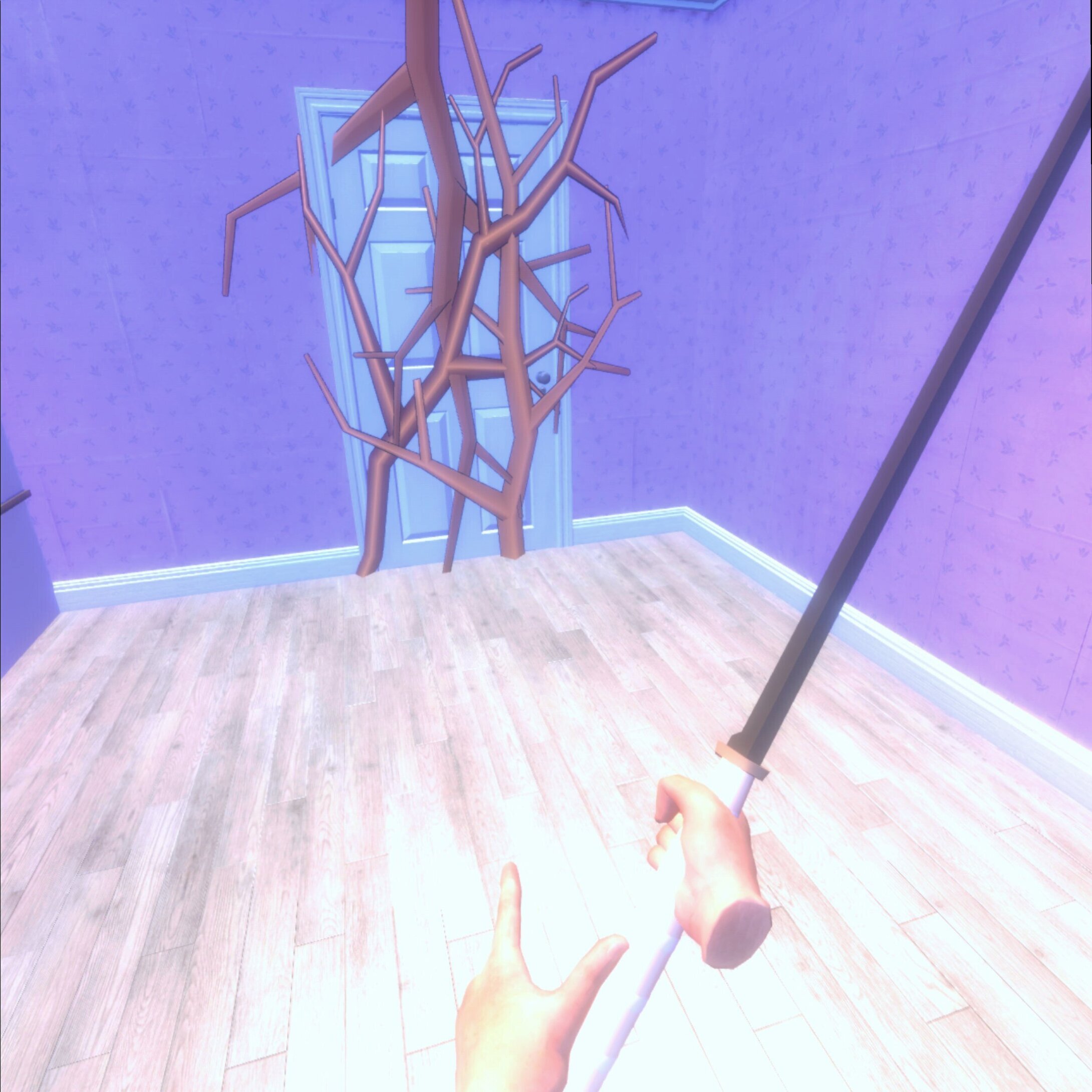
Inside these digital realms, the students encountered gravity-defying oddities, such as houses perched high in treetops and rapid scenic shifts. Whenever an impossible event unfolded, participants asked themselves a simple question: am I awake, or am I dreaming?
In normal daily life, our physical surroundings follow steady rules, so reality checks rarely feel urgent or memorable. Virtual reality bridges that gap by using stereoscopic vision to convince the senses that bizarre miracles are unfolding right before our eyes.
Study co-author Andrea Signorelli explained that immersive digital tools create the ideal sandbox for the human mind. Because dreams naturally deceive our senses into accepting the impossible, practicing inside equally convincing simulations builds the ultimate mental muscle.
That playful sensory training paid massive dividends once the students tucked into bed. Participants who trained in the dream-like digital worlds reported lucid dreams four times more often than those relying on traditional awake-world checks.
Crucially, a comparison group that explored ordinary, realistic virtual environments did not show the same dramatic boost. The quirky magic of the surreal settings trained the sleeping brain to catch the subtle absurdities of nightly dreams.
The Bright Side
This breakthrough offers profound relief for millions of people who struggle with recurring bad dreams and disrupted rest. Rather than enduring nocturnal fears, dreamers can learn to recognize the illusion, take the wheel, and rewrite frightening stories into empowering adventures.
Beyond easing stress, mastering this nocturnal awareness opens delightful frontiers for emotional resilience, artistic creativity, and deeper self-discovery. By pairing everyday mindfulness with immersive technology, neuroscientists are helping ordinary sleepers reclaim their nights with curiosity and joy.
With just a little practice, your subconscious mind can become an inspiring playground where you always hold the key.
More Images



Based on reporting by Live Science
This story was written by BrightWire based on verified news reports.
Building Something New? Try the BrightWire Tech Stack Advisor
Compare modern frameworks, cloud hosting, and AI tools tailored to your project budget and scale.
Spread the positivity!
Share this good news with someone who needs it