VR Therapy Silences Voices After 27 Years of Schizophrenia
A Danish woman who heard tormenting voices for nearly three decades found relief through an experimental virtual reality treatment that had her confront her hallucinations face-to-face. The therapy helped 270 patients reduce their symptoms in just seven sessions.
For 27 years, Vibeke Andersen heard voices telling her she was worthless, unloved, and better off dead. The 53-year-old from Denmark cycled in and out of psychiatric hospitals, losing control of her own thoughts and actions to the relentless hallucinations caused by paranoid schizophrenia.
Then in 2020, doctors offered her something radical. Instead of trying to ignore the voices, she would confront them in virtual reality.
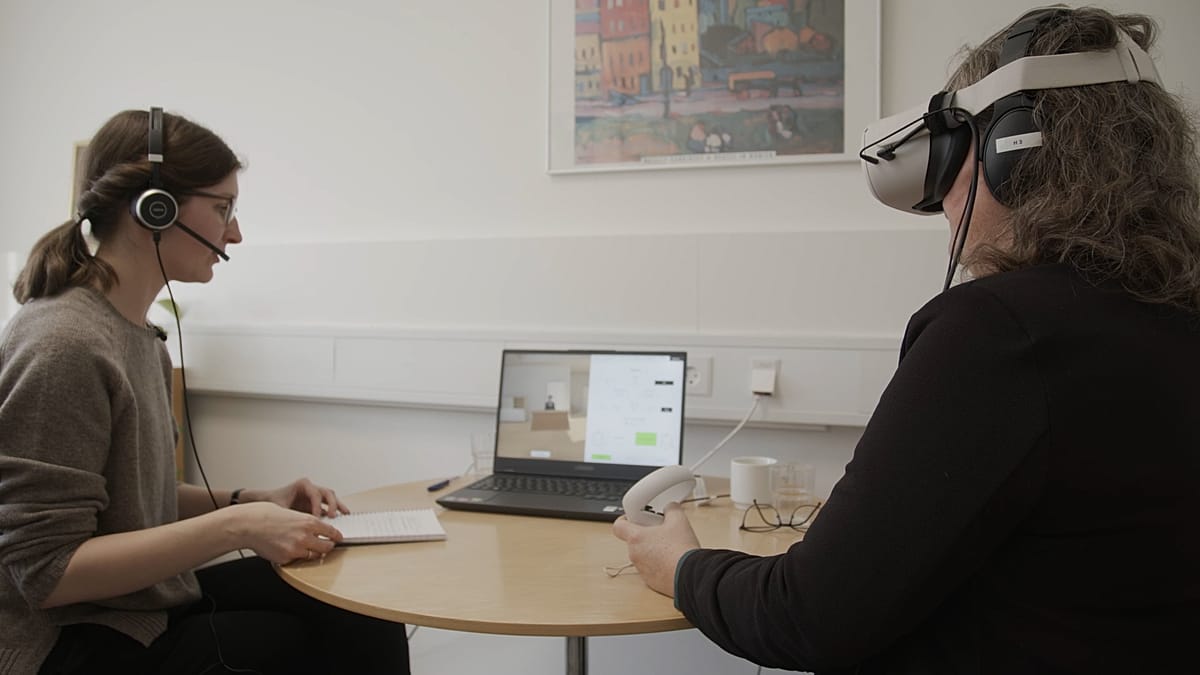
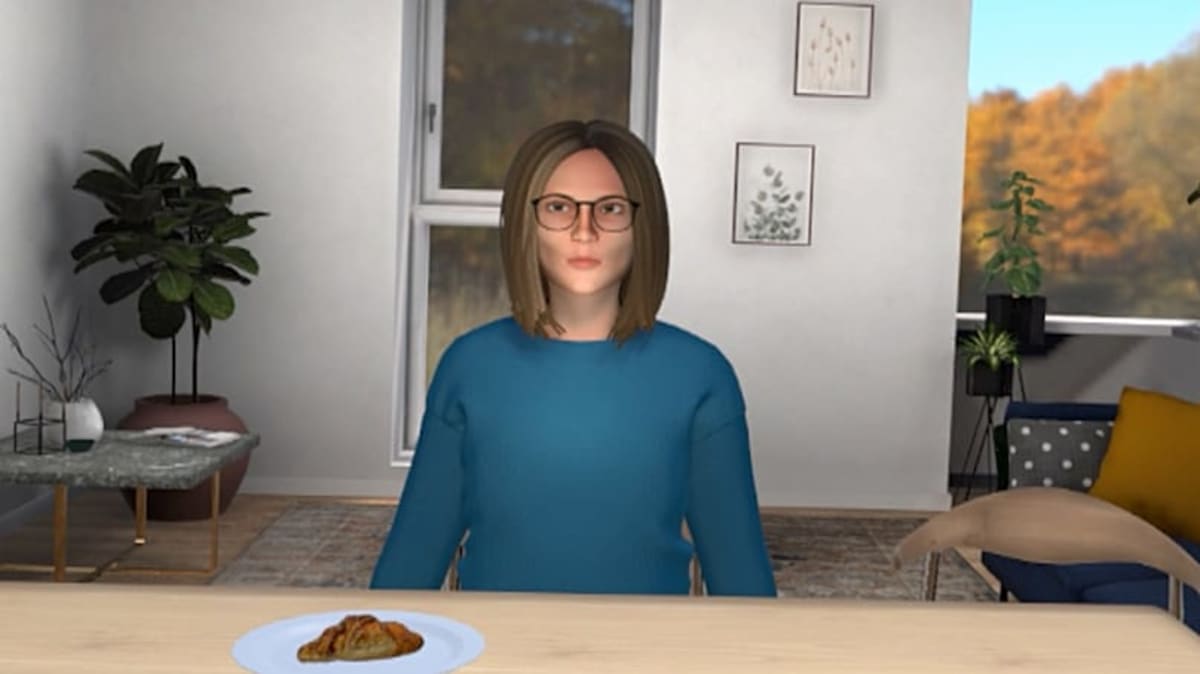
Therapists at Copenhagen University Hospital created a digital avatar based on Andersen's description of her dominant voice. They adjusted its appearance and sound until it matched exactly what she experienced in her head. When she put on the VR headset, the avatar appeared before her while her therapist spoke the cruel words she normally heard, using voice-changing software to make it feel real.
The treatment pushed her to her limits. By her fourth or fifth session, therapists suggested she quit because the process was so intense.
"I was still stubborn," Andersen said. "No way. I'm going to do this treatment to the end."
Toward the end of her seven sessions, Andersen stood in a virtual forest and screamed at the voice. She told it to leave her mind and let her be free. The confrontation worked.
The approach might sound counterintuitive, but the science backs it up. The CHALLENGE project studied 270 people with schizophrenia who experienced persistent auditory hallucinations. Those who received VR therapy heard voices less frequently at both 12 and 24 weeks compared to people who received standard care.
"We were very surprised," said Louise Birkedal Glenthøj, who leads the research team at the University of Copenhagen. "This was a very experimental study."
Researchers believe the treatment works by externalizing an invisible symptom. When patients can see and respond to their hallucinations outside their own heads, they gain more control over them.
The Ripple Effect
The treatment now reaches beyond schizophrenia. The VIRTU research program includes around 1,000 participants studying VR therapy for eating disorders, social anxiety, autism, and depression. Some of these VR treatments are already being used in Denmark's psychiatric services.
The impact matters for millions. Schizophrenia affects 23 million people worldwide, eating disorders affect 16 million, and anxiety disorders touch 359 million lives. Short-term VR interventions could help many of them find relief faster than traditional therapy alone.
The approach adapts to different conditions. For eating disorder patients, avatars represent the critical voice that tells them they're not thin enough. For people with social anxiety, the virtual world recreates challenging social situations they can practice navigating.
Glenthøj notes the treatment isn't right for everyone and some people need more preparation before starting. But overall, her research shows it's safe and well-tolerated.
Today, Andersen lives free from the voices that controlled her for decades, proof that confronting our demons sometimes means looking them straight in the eye.
More Images


Based on reporting by Euronews
This story was written by BrightWire based on verified news reports.
Spread the positivity!
Share this good news with someone who needs it