VW Zwickau Plant to Recycle 15,000 Cars Yearly by 2030
Volkswagen is transforming its Zwickau factory into a massive recycling hub that will disassemble 15,000 vehicles annually by 2030. The German automaker is investing up to 90 million euros to pioneer a circular economy model that recovers valuable materials and creates new jobs.
📺 Watch the full story above
Volkswagen just turned one of its German factories into the automotive industry's answer to the recycling revolution.
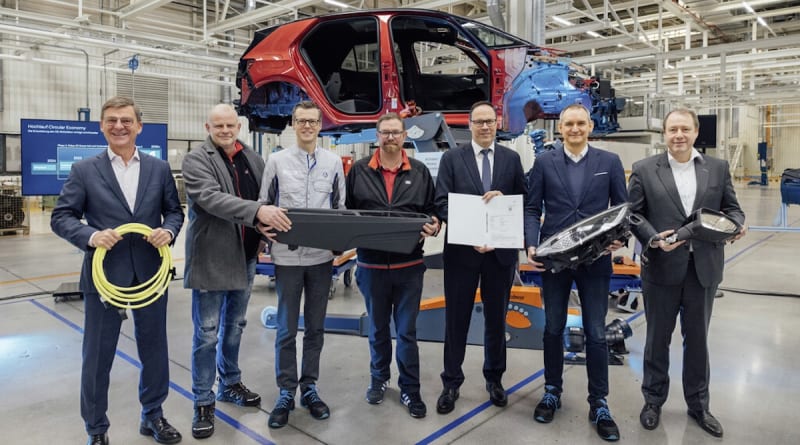
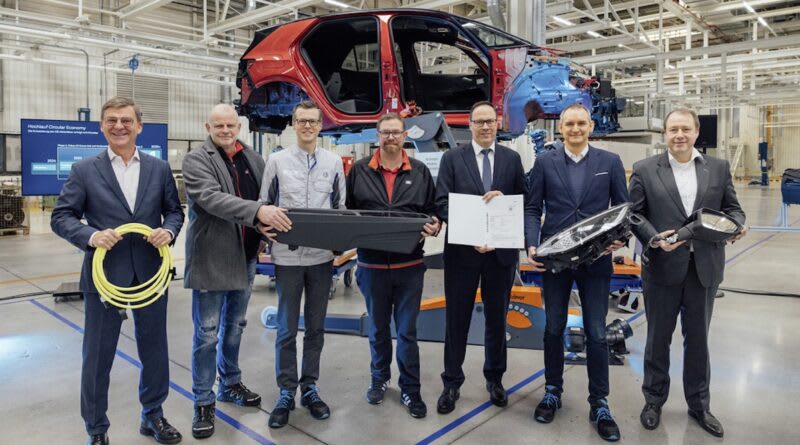
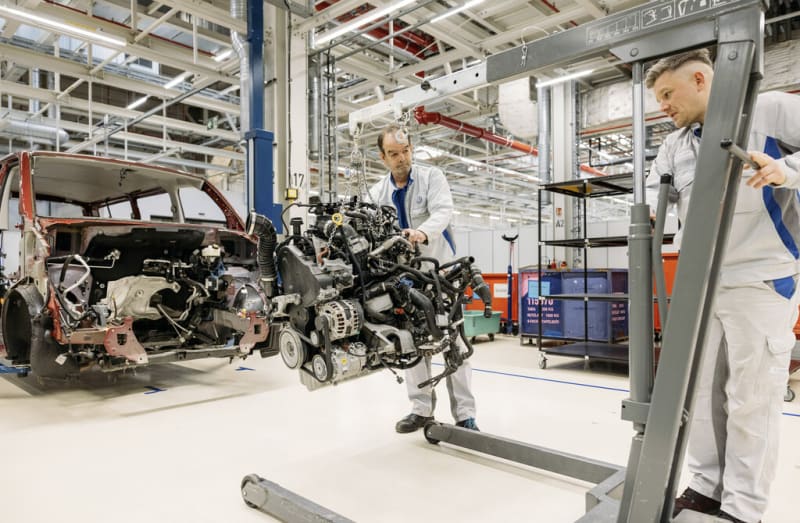
The automaker's Zwickau plant is becoming the company's global center for circular economy innovation. By 2030, workers there will systematically disassemble up to 15,000 vehicles each year to recover valuable raw materials and salvage reusable parts.
The transformation represents a 90 million euro investment from Volkswagen, with an additional 10.7 million euros in funding from the German state of Saxony. The project was finalized during collective bargaining negotiations in December 2024 and launches this year with 500 test vehicles.
Zwickau isn't just recycling cars. It's developing the blueprint that Volkswagen plants worldwide will follow. Engineers there are creating standards for dismantling processes, testing artificial intelligence applications to track material flows, and training employees who will spread this knowledge across the company's global network.
The plant already made history as Volkswagen's first factory to switch entirely to electric vehicle production. Now it's pioneering again with a model that addresses multiple challenges at once: reducing dependence on global raw material markets, cutting carbon emissions, and securing manufacturing jobs in Germany.
The Ripple Effect
The circular economy approach tackles some of the auto industry's toughest problems simultaneously. Recovered materials will go directly into building new vehicles, making Volkswagen less vulnerable to supply chain disruptions and price fluctuations in the global commodities market.
The environmental benefits extend beyond just recycling. Clean separation of materials produces pure recyclates that maintain their quality through multiple use cycles. Components that pass rigorous testing can return to service in used vehicles, extending their useful life while reducing waste.
Andreas Walingen, who leads Volkswagen's Group Circular Economy division, emphasizes that this isn't just environmental theater. The project creates genuinely new business models around refurbishment, recycling, and giving vehicle components second lives in different applications.
Saxony's Economics Minister Dirk Panter highlighted the broader significance for the region. The diversification strengthens the plant's future while positioning Saxony as a solutions hub for the evolving automotive industry.
The gradual scaling approach shows practical thinking. Starting with 500 vehicles in 2025, the plant will methodically increase capacity as processes get refined and optimized. By 2027, the operation will handle significantly more vehicles, building toward the 15,000 annual target.
This model could reshape how the entire automotive industry thinks about end-of-life vehicles, turning what was once waste into valuable resources that fuel new production.
More Images


Based on reporting by CleanTechnica
This story was written by BrightWire based on verified news reports.
Spread the positivity!
Share this good news with someone who needs it