WA Drops 5,700 AI Seatbelt Fines After Driver Pushback
Western Australia police are overturning thousands of AI-generated seatbelt fines after admitting many cases lack evidence. The reversals come after families proved drivers can't always control passenger behavior while safely watching the road.
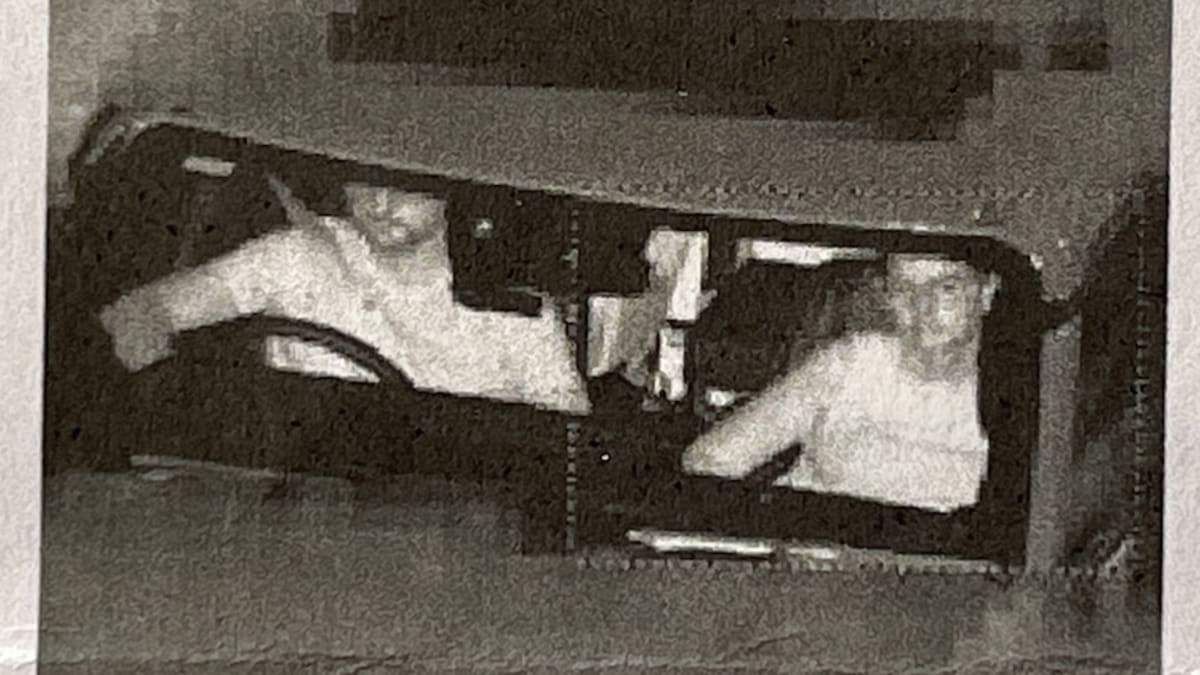
When Emily Esplan reached back to hand her thirsty four-year-old a bottle of water, her seatbelt slipped off her shoulder for just seconds. An AI camera caught that moment, and her husband received a $550 fine with four demerit points.
Now, that fine is gone. So are about 5,700 others.
Western Australia police are dropping roughly 7 percent of all AI-generated seatbelt fines issued since October 2025, acknowledging there's "no reasonable prospect" of winning these cases in court. The cameras have issued a staggering 81,412 seatbelt infringements in less than a year.
Police Commissioner Col Blanch told ABC Perth that prosecutors are dismissing cases after hearing reasonable defenses from drivers. Many involve situations where drivers had no knowledge their passengers adjusted their seatbelts while the car was moving.
Lisa Taylor's case perfectly illustrates the problem. The AI camera caught her 10-year-old daughter with the seatbelt sash tucked under her arm during stop-and-start traffic on Boxing Day. Taylor contested the fine, arguing she was focused on driving safely, not monitoring her child's every movement.
Eight months later, a police prosecutor called to say the case was dropped. He told her that under no circumstances should drivers be looking around checking passengers while driving, Taylor said.
The Esplan family faced an agonizing choice: pay the $550 fine or risk court costs if they lost. The threat kept them up at night, even though Emily knew the seatbelt had only slipped for a moment. Months later, a letter arrived saying the case wouldn't proceed.
The Bright Side
This story isn't just about dropped fines. It's about a system course-correcting when it realizes enforcement has gone too far.
The cameras themselves are working exactly as intended. AI detection of seatbelt and mobile phone violations has dropped 76 percent from September 2025 to August 2026. Deaths involving unbelted passengers fell from 20 percent of motor vehicle fatalities to 13.8 percent in 2025.
Commissioner Blanch says police are now reviewing how AI fines are issued. The goal was never to punish drivers for split-second passenger movements they couldn't control, but to change dangerous behaviors that genuinely put lives at risk.
The technology is saving lives by making people more aware. The justice system is showing it can adapt when enforcement doesn't match common sense.
More Images


Based on reporting by ABC Australia
This story was written by BrightWire based on verified news reports.
Spread the positivity!
Share this good news with someone who needs it