WA Inquiry Hears From 26,000 Voices for Greyhound Welfare
More than 26,000 Western Australians have sparked a parliamentary inquiry into greyhound racing, with advocates sharing powerful stories about why change is needed. The movement shows how grassroots advocacy can push important conversations about animal welfare into the halls of government.
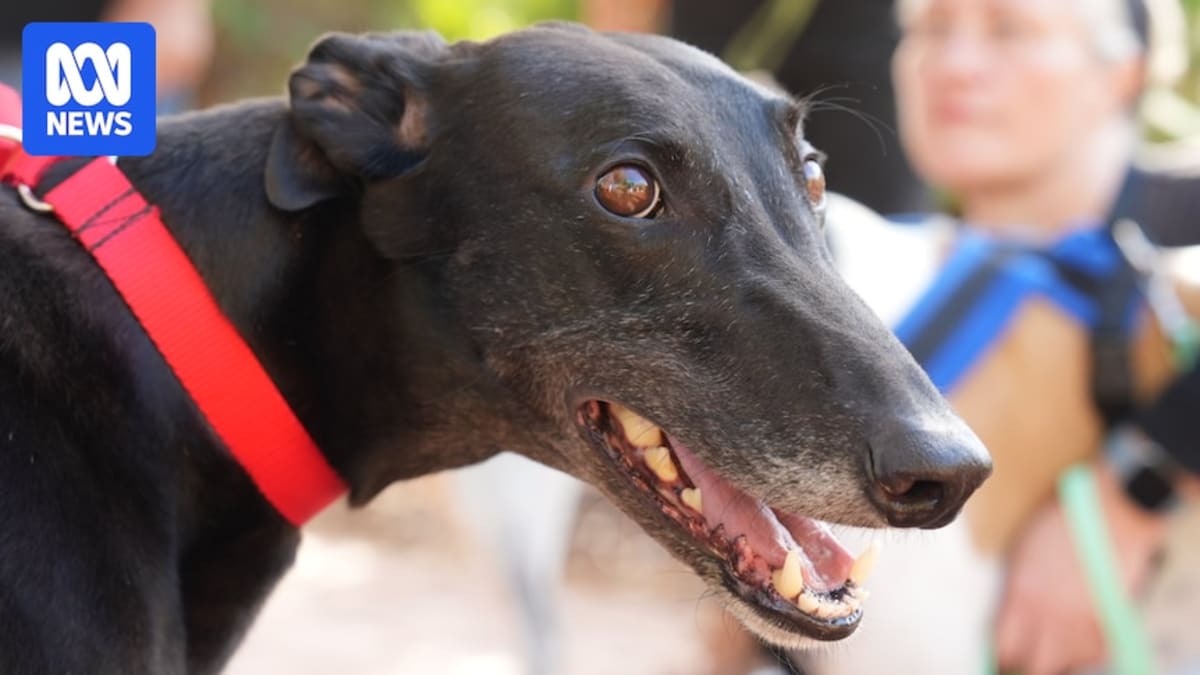
When Mel Harrison adopted her first greyhound, she fell in love with the gentle dog bred for racing. That love turned into seven years of advocacy that just reached the halls of Western Australia's parliament.
Harrison's group, Free the Hounds, helped gather more than 26,000 signatures calling for changes to greyhound racing in WA. This week, that petition triggered an official parliamentary inquiry in Perth, giving advocates a platform to share their concerns about animal welfare in the industry.
"None of us came from a place of activism," Harrison told the inquiry. "We all adopted a beautiful greyhound and fell in love with these dogs."
The inquiry represents a turning point in Australia's relationship with greyhound racing. Tasmania has already committed to phasing out the sport by 2029, and New Zealand is exploring similar options. What was once considered untouchable is now openly debated.
Among those testifying was Mark Layton, who grew up in the racing industry in New South Wales. At eight years old, he spent countless hours at the track with his family. Now, decades later, he's speaking publicly for the first time about why he believes the industry needs to change.
Layton's testimony focused on the impact racing has on families and communities, not just animals. He wants lawmakers to consider the emotional toll the industry takes on everyone involved, especially children who grow up around it like he did.
Why This Inspires
What makes this story powerful isn't just the number of signatures or the inquiry itself. It's the transformation of everyday pet owners into effective advocates for change.
Harrison and her fellow activists didn't start as seasoned campaigners. They were simply people who adopted retired racing dogs and decided their new family members deserved better. That personal connection motivated seven years of petitions, community organizing, and persistent advocacy.
Their persistence shows how grassroots movements can shift public policy. The 26,000 signatures represent 26,000 people who took time to say they care about animal welfare. That collective voice was loud enough to demand official government attention.
The inquiry also demonstrated that industries can evolve. WAGBOTA president Kylie McLennan told the inquiry that welfare improvements have been ongoing for years and committed to continuing progress. Even those defending the industry acknowledge that animal welfare must be central to any future operations.
Economic analysis presented at the inquiry suggested the community costs of greyhound racing may outweigh its benefits. Economist Stephen Walters found that for every dollar spent on greyhound racing in WA, only 79 cents of community value returns when welfare costs and other factors are considered.
The conversation happening in Perth reflects a broader shift in how Australians think about animal welfare and entertainment. With Tasmania leading the way toward a 2029 phase-out, advocates now have a roadmap for change.
What started with a few people adopting retired racing dogs has grown into a movement powerful enough to fill parliamentary chambers. That's the kind of civic engagement that makes democracy work.
More Images



Based on reporting by ABC Australia
This story was written by BrightWire based on verified news reports.
Spread the positivity!
Share this good news with someone who needs it