WA Reviews 2,000 AI Camera Fines, Appeals System Working
Western Australia's new AI road safety cameras are catching seatbelt violations at unprecedented scale, and when drivers appeal unfair fines, the system is listening. With 60% of appeals succeeding, the state is proving technology and fairness can work together.
When new technology meets real-world enforcement, getting it right matters more than getting it perfect on day one.
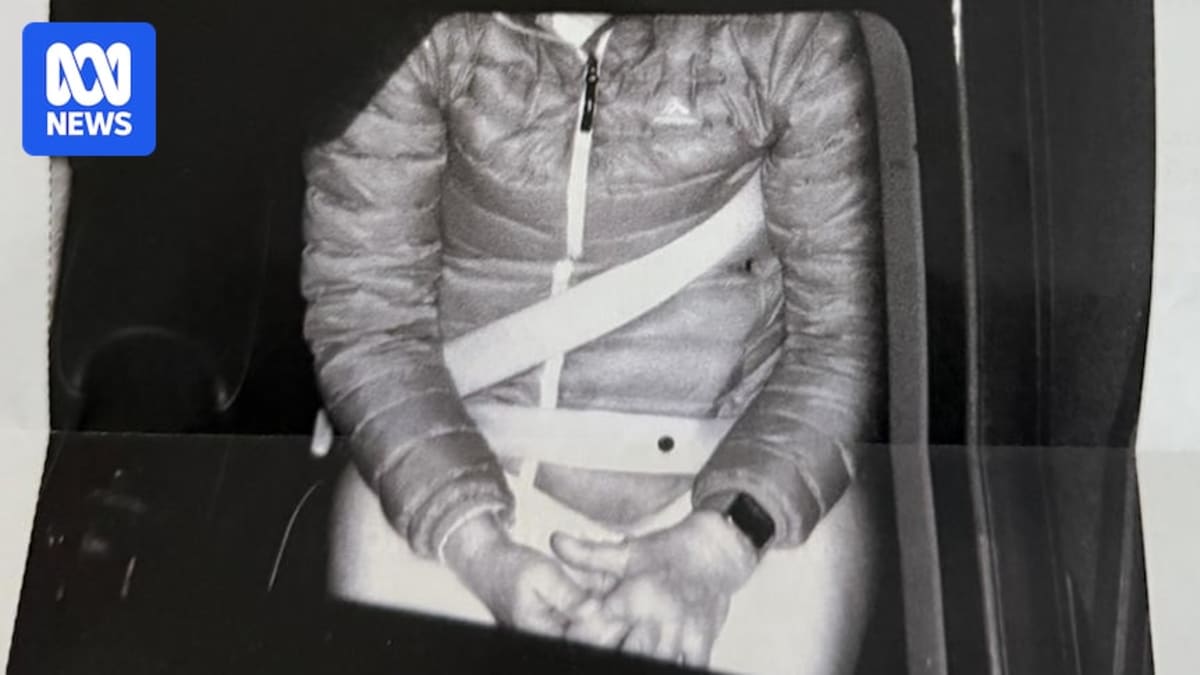
Western Australia's AI-assisted road safety cameras have issued over 53,000 seatbelt fines in six months, catching violations that traditional cameras would miss. The AI system peers into car cabins, spotting unbuckled seatbelts at a scale never seen before.
Here's the encouraging part: when drivers appeal, the system responds. About 2,000 fines worth $1.1 million have been withdrawn, and 60% of all appeals have been successful. Road Safety Minister Reece Whitby calls this proof the system is working, not failing.
The government has shown flexibility where it counts. Multiple fines issued in quick succession to drivers unaware of the new technology? Waived. Legitimate concerns about unfair penalties? Reviewed and often overturned.
The cameras sparked controversy when they launched last October, with critics arguing the system was rushing to collect revenue rather than change behavior. Perth grandfather Ross Taylor, a vocal advocate against the cameras, called the situation an "outrageous mess" and suggested passengers should face different penalties than drivers.
But the data tells a different story about accountability. Less than 4% of seatbelt fines have been overturned overall, suggesting most drivers recognize they were genuinely breaking safety laws. The high appeal success rate shows the review process is genuinely fair, not rubber-stamping rejections.
The Bright Side
This rollout demonstrates how governments can deploy new technology while keeping human judgment in the loop. Rather than defending every automated decision, Western Australia built an appeals system that actually works.
The cameras are changing behavior in ways traditional enforcement never could. By monitoring every vehicle that passes instead of random checks, they're creating consistent accountability. Drivers now know that skipping a seatbelt isn't a gamble they'll get away with.
Most Australian states have adopted similar systems, and WA plans to expand its network carefully. The staged approach allows officials to learn from real-world results and adjust before scaling up.
Minister Whitby believes the cameras have already saved lives by catching violations that would otherwise go unnoticed. Opposition Leader Basil Zempilas supports road safety measures but wants fair penalties that match the offense.
The technology is proving that enforcement and fairness don't have to be enemies. When 60% of people who raise legitimate concerns get their fines withdrawn, that's a system designed to get it right, not just collect revenue.
More Images



Based on reporting by ABC Australia
This story was written by BrightWire based on verified news reports.
Spread the positivity!
Share this good news with someone who needs it