WA Wind and Solar Farms to Pay Local Communities
Western Australia is introducing guidelines requiring renewable energy companies to pay host communities based on project size. Wind farms generating 2 gigawatts could contribute $1.75 million annually to local towns.
Communities across regional Western Australia are about to get paid for hosting the renewable energy projects powering their state's future.
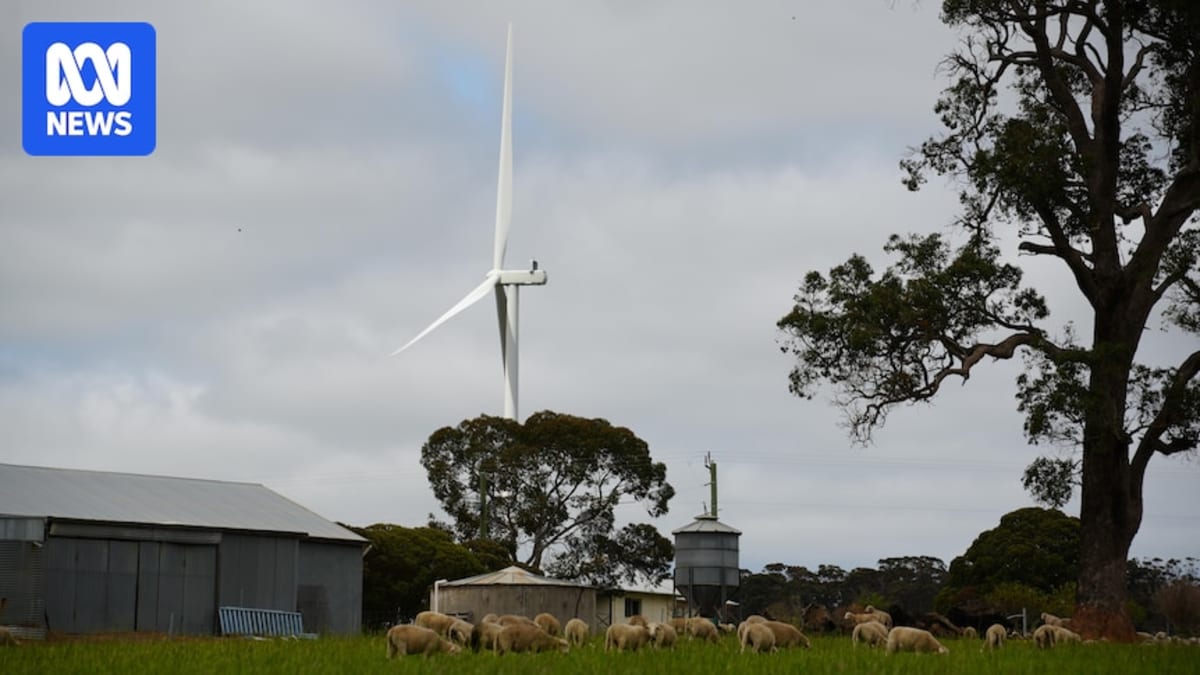
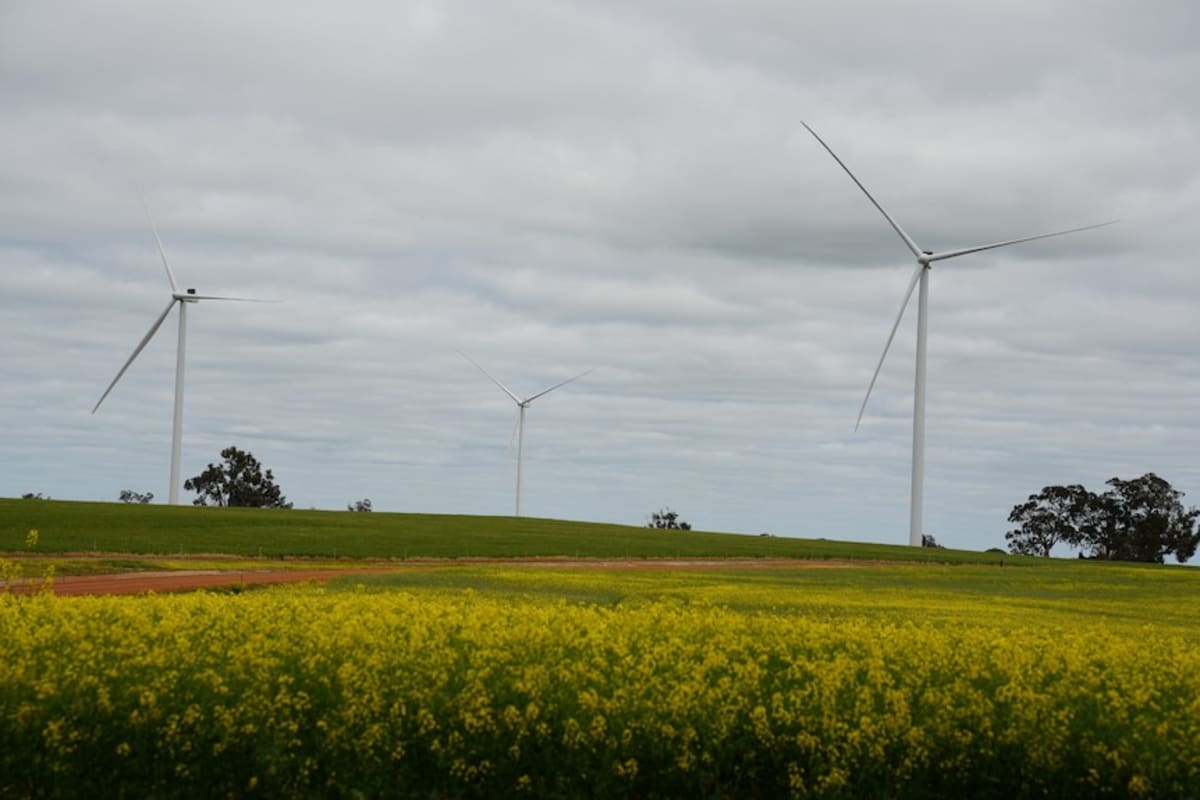
The WA government just released new guidelines requiring wind and solar developers to contribute to community funds based on their project size. For wind farms, payments range from $15,000 for small 10-megawatt operations to $1.75 million for massive 2-gigawatt projects.
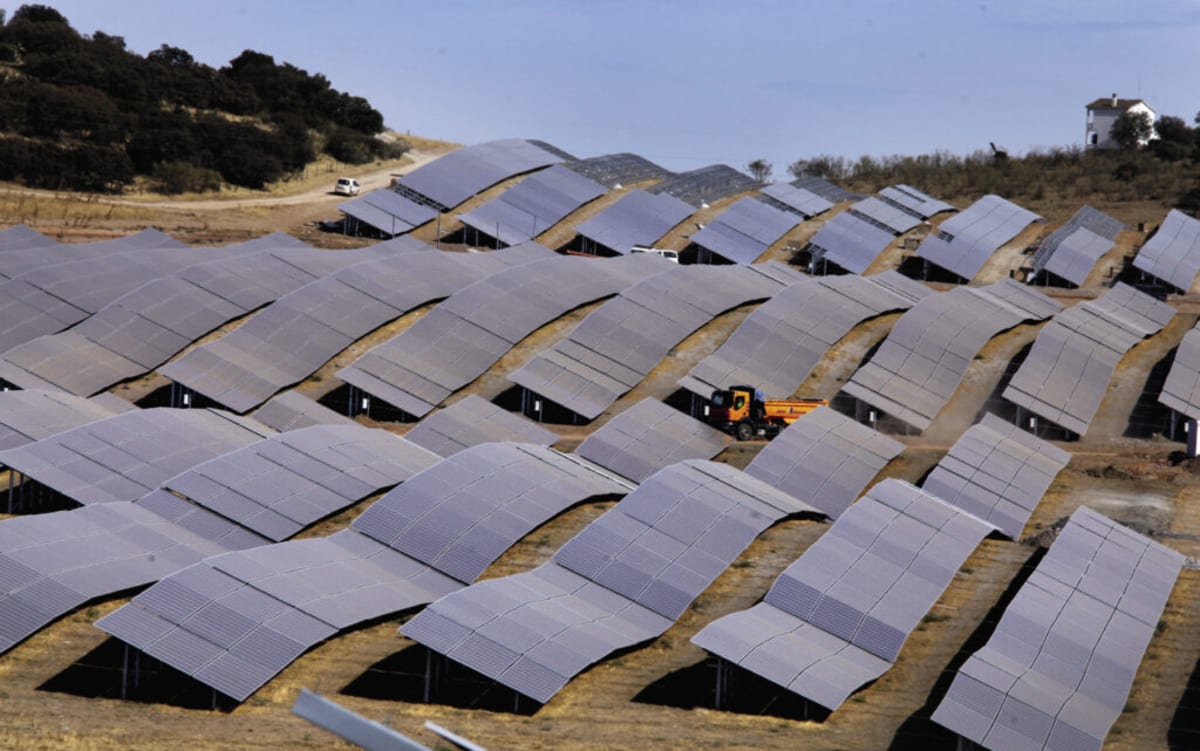
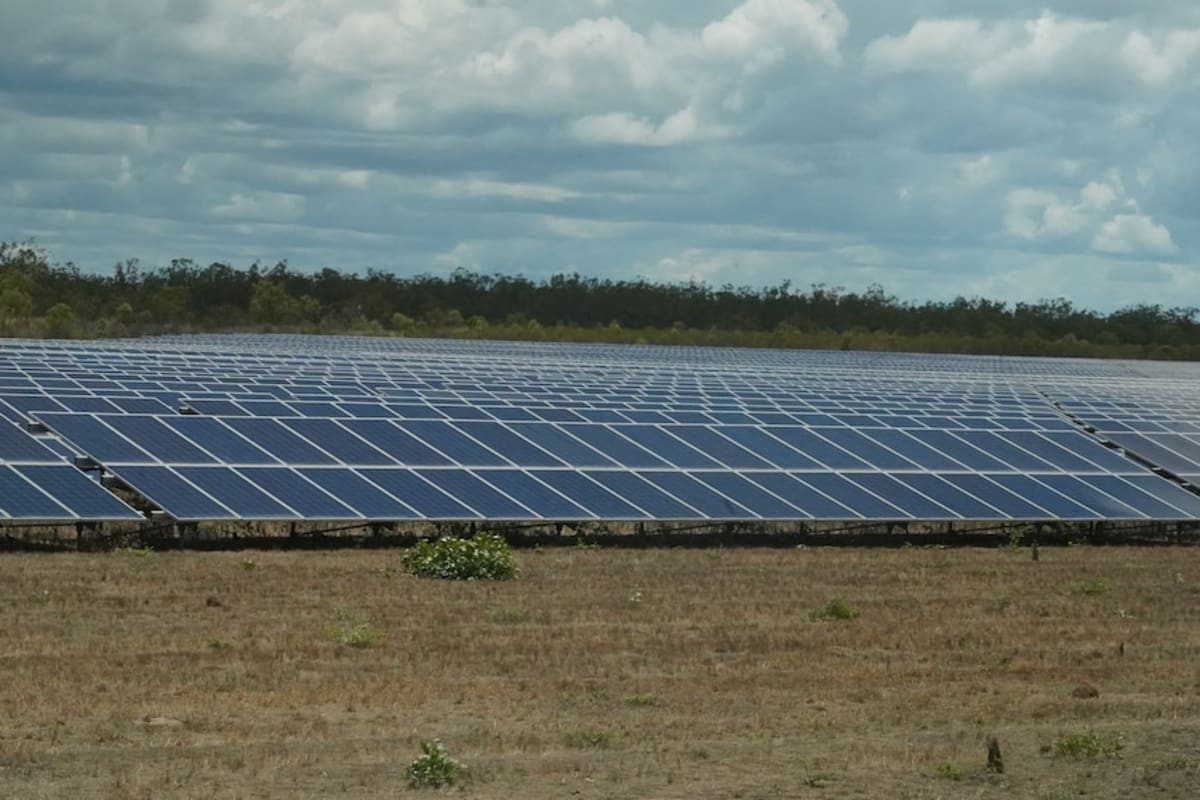
Solar farms will pay $750 per megawatt of capacity. The funds will go directly to the communities hosting these billion-dollar renewable projects, many of which are already under development across regional WA.
The Shire of Gnowangerup in southern WA is one area where wind farms are planned. Chief Executive David Nicholson welcomes the guidelines but wants to see them become mandatory rather than voluntary.
"It's not legislation, it's not law," Nicholson said. Still, he's optimistic that conversations with developers will lead to compliance.
The state is launching pilot programs in several shires, including Victoria Plains, to work out the best ways to manage and distribute the funds. Shire President Pauline Bantock emphasized that directing money to local priorities will be key to success.
The Ripple Effect
These payments could transform small rural communities. With dozens of renewable projects planned statewide, the collective funding could reach into the tens of millions annually for regional areas.
The guidelines ensure money doesn't just flow to project developers and energy consumers in cities. Instead, the people living alongside massive wind turbines and solar arrays will see tangible benefits like upgraded facilities, better roads, and community programs.
Energy Minister Amber-Jade Sanderson said the approach balances WA's clean energy transition with support for regional communities. The guidelines were shaped by extensive consultation with local governments, with 40 councils providing input through the WA Local Government Association.
Companies seeking federal funding through the Capacity Investment Scheme will need to comply with the payment guidelines. The state government also reserves the right to make payments mandatory in the future if voluntary compliance falls short.
Regional leaders say strong governance structures will be essential to manage what could be substantial sums fairly. The goal is ensuring everyone impacted by these projects shares in the benefits, not just those living closest to the installations.
Western Australia is proving that building a sustainable energy future means investing in the communities that make it possible.
More Images

Based on reporting by ABC Australia
This story was written by BrightWire based on verified news reports.
Spread the positivity!
Share this good news with someone who needs it