Wales Farmers Save £1M While Cleaning Polluted Rivers
Hundreds of dairy farmers in Wales discovered they're buying way more fertilizer than they need. By using cow manure smarter, they can save over a million pounds yearly and restore one of Britain's most polluted river systems.
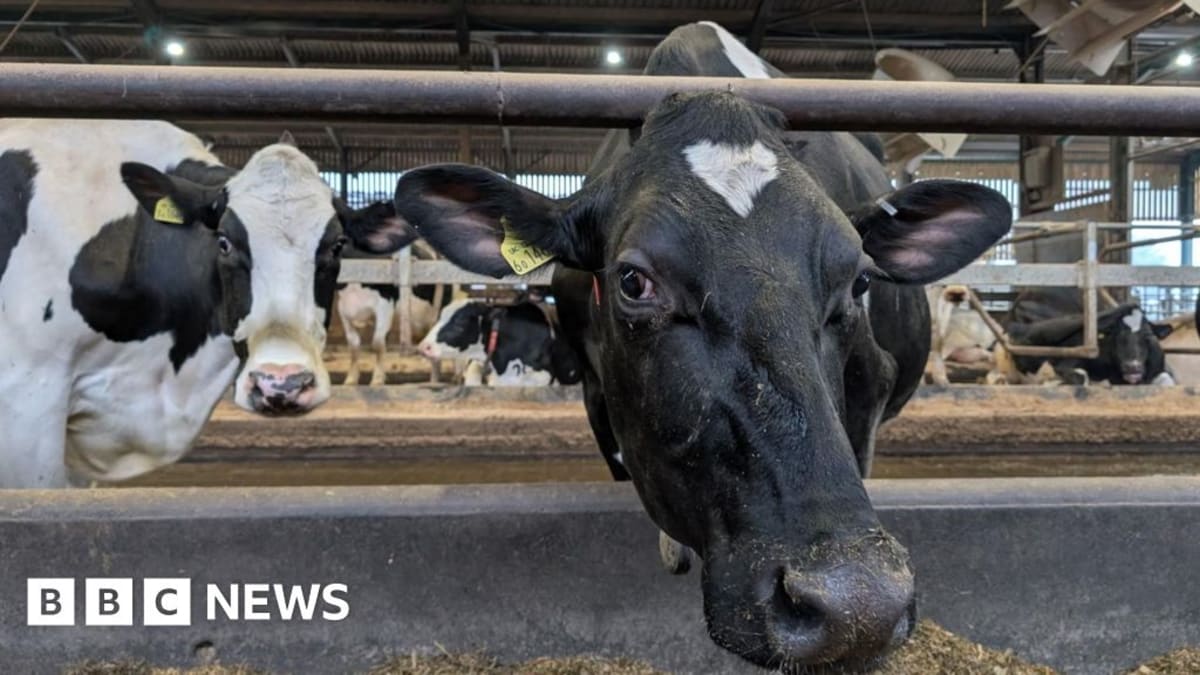
Dairy farmers in Pembrokeshire, Wales just found a way to save money and save their rivers at the same time.
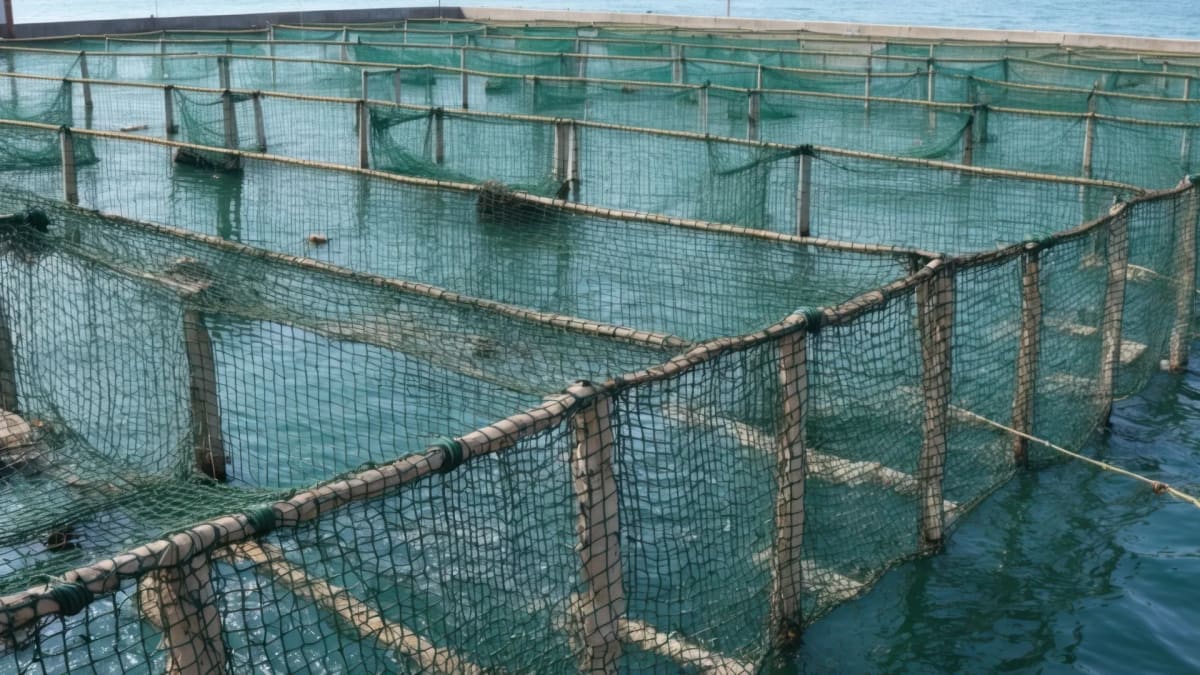
Researchers from Lancaster University studied the Cleddau river system, which flows through farmland producing 25% of Wales' milk. They discovered something surprising: farms were buying far more fertilizer and animal feed than they actually needed, creating a massive 360-ton annual surplus of phosphorus that's been polluting the waterways for years.
The excess phosphorus causes algae blooms that choke out fish and other aquatic life. The pollution got so bad that authorities had to limit new house building in the area, and conservationists warned of ecological disaster.
But here's the good news. The same study found that farms already have enough phosphorus in their cow manure to meet all their crop needs. They just weren't spreading it effectively.
Now 700 dairy farmers across the UK, including 200 in west Wales, are mapping out their "nutrient footprint" with their co-operative, First Milk. Using satellite imagery, they've created field-by-field maps showing pollution risks and are learning exactly where and how to spread manure instead of buying expensive artificial fertilizer.
The potential savings? An estimated £1.08 million per year for Pembrokeshire farmers alone.
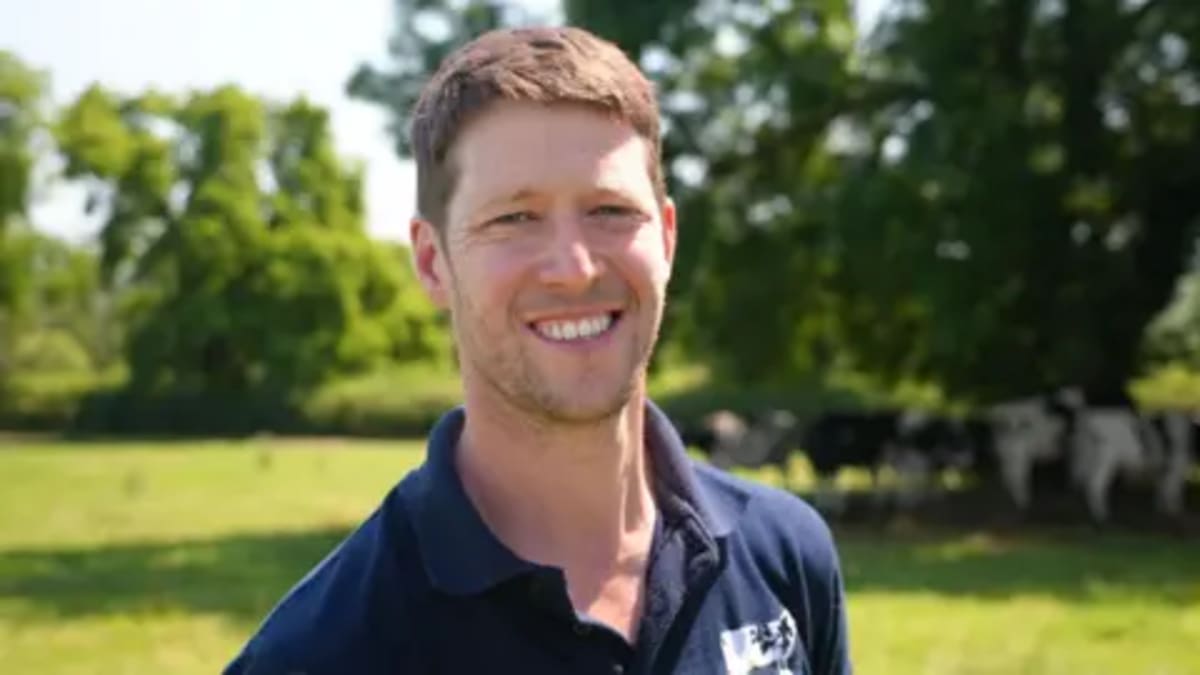
Dairy farmer Tom Jones from Kilgetty runs 250 cows and is already on board. "Whatever we buy onto farm we want it to stay on the farm, we don't want it leaving in the watercourses," he said. "I want to show that we're on the right side and we're trying as much as we can."
The Ripple Effect
This shift goes beyond one Welsh county. Major supermarkets have signed the UK Food and Drink Pact, pledging to source 50% of fresh food from areas with sustainable water management by 2030. That's creating real market pressure for farms to clean up their act.
First Milk's director of regenerative farming, Lee Truelove, calls nutrient footprinting "a missing metric for responsible farming." For 20 years, farms focused on carbon footprints. Now they're tackling the nutrient cycle with the same rigor.
The project is believed to be one of the largest of its kind in the world. Farmers will report their progress annually, adjusting practices based on real data about what their land actually needs.
When farmers save money while protecting rivers that have been designated special conservation areas, everybody wins.
More Images

Based on reporting by BBC Science
This story was written by BrightWire based on verified news reports.
Spread the positivity!
Share this good news with someone who needs it