Washington Invests $12M in Highway EV Charging Stations
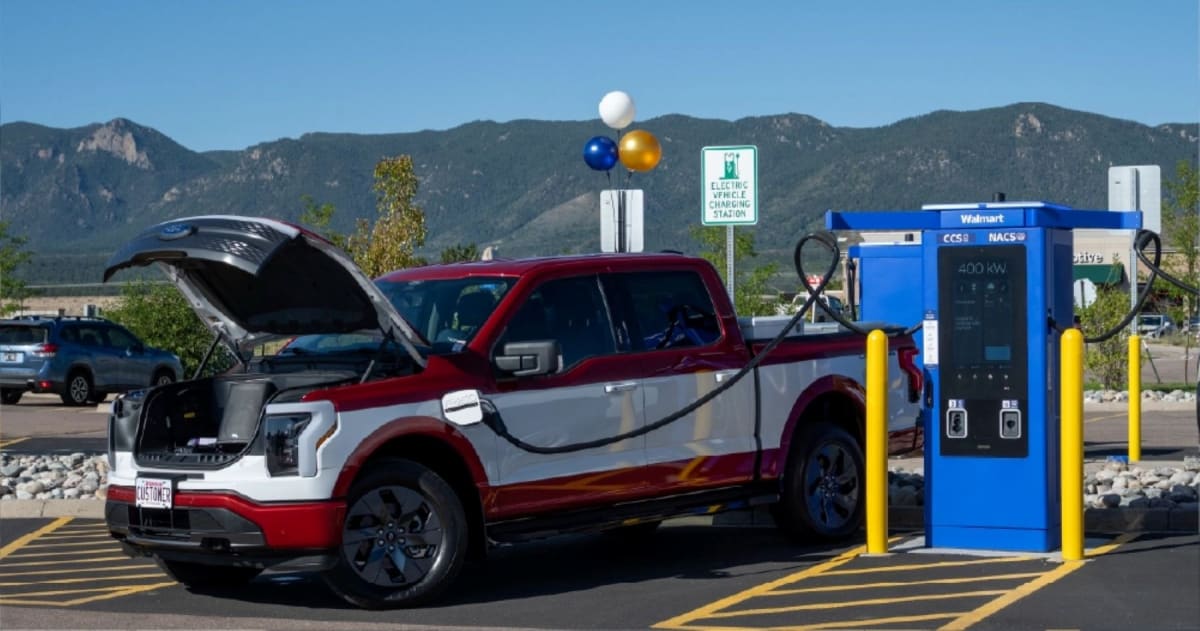
Electric vehicle drivers in Washington state are getting 14 new charging stations across major highways, thanks to a $12 million federal grant. The stations will fill critical gaps along Interstate 90 and other routes, making long-distance travel easier within the next two years.
Running out of battery power on a long highway drive could soon be a distant worry for Washington's electric vehicle owners.
The Washington Department of Transportation is investing more than $12 million in federal funding to build 14 new electric vehicle charging stations along some of the state's busiest highways. Five companies will install the stations at key locations along Interstate 90, US 97, US 195, and US 395 over the next 24 months.
The new charging hubs will stretch across Washington, connecting cities like Seattle to Spokane and everywhere in between. Drivers heading east on I-90 will find new stations in Cle Elum, Ellensburg, George, Issaquah, Moses Lake, North Bend, Ritzville, and Veradale.
Additional stations are planned along US 97 in Goldendale and Toppenish, along US 195 in Colfax and Pullman, and along US 395 in Colville and Deer Park. These locations were specifically chosen to fill in the gaps where drivers currently face long stretches without charging options.
Range anxiety, the fear of running out of power before reaching the next charging station, remains one of the biggest concerns for potential EV buyers. These new stations directly address that barrier by creating a more reliable charging network across the state.
The Ripple Effect
This investment does more than just help current EV owners. By building out charging infrastructure, Washington is making electric vehicles a more practical choice for thousands of people who previously worried about long-distance travel.
The improved charging network also supports the state's environmental goals while creating jobs in construction and maintenance. As more people feel confident switching to electric vehicles, air quality improves and greenhouse gas emissions decrease across the entire transportation sector.
Better charging infrastructure means families can visit relatives in eastern Washington without anxiety, businesses can confidently transition their fleets to electric, and tourists can explore the state knowing they won't be stranded. The benefits extend far beyond individual drivers to reshape how Washington approaches sustainable transportation.
Washington is proving that smart infrastructure investment can remove real barriers to cleaner transportation while making life easier for drivers today.
Based on reporting by Google News - Electric Vehicle
This story was written by BrightWire based on verified news reports.
Spread the positivity!
Share this good news with someone who needs it