Washington Landfills Cut Methane With $10M in Smart Tech
A Washington state grant program is helping 13 landfills slash methane emissions with technology that adjusts itself every few hours instead of once a month. Real results are already showing up in year one.
Landfills might not be the first thing you think of when climate change comes up, but they're releasing massive amounts of methane into the air, a greenhouse gas far more potent than carbon dioxide.
Washington state decided to do something about it. In 2022, lawmakers passed a new law requiring landfills to cut methane emissions, then backed it up with nearly $10 million in grants to help make it happen.
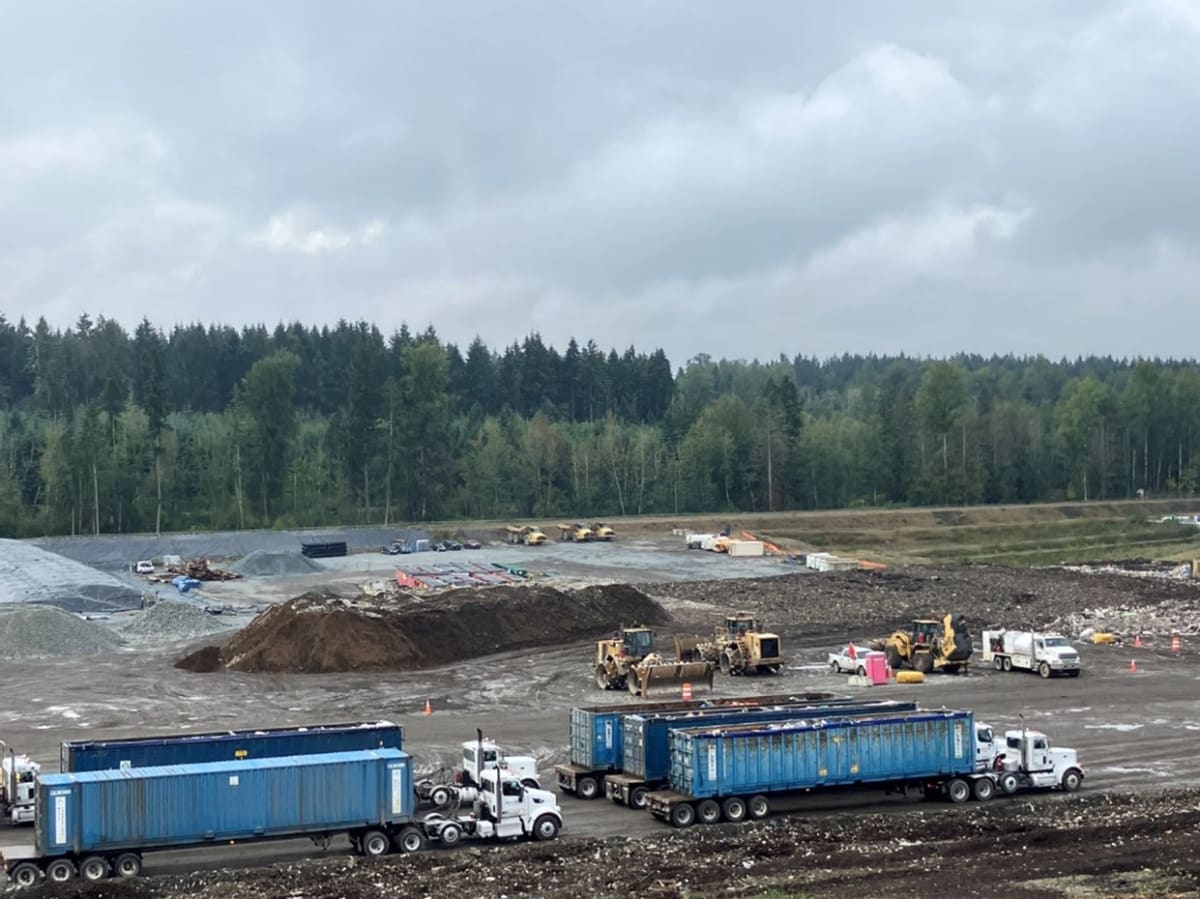
LRI Landfill in Graham jumped at the opportunity. With grant funding, they installed 75 smart wellheads that automatically adjust themselves every few hours to capture more methane from decomposing trash.
Before the upgrade, workers had to manually adjust each wellhead once a month. Now the technology does it automatically, responding to changing conditions and sending real time data to engineers who can monitor everything from their screens.
"This means improvements in both the quantity and quality of the gas captured," said Olivier Moi, an environmental specialist at LRI. Better gas collection means less methane escaping into the atmosphere where it traps heat.
The landfill sells about a third of the captured gas to an on site energy facility that generates renewable electricity. The rest gets burned in enclosed flares, which destroys the methane instead of releasing it.
George Duvendack, a region engineer at LRI, said the program was worth the wait. "It's been talked about for a long time, and the grant allowed us to step forward in a significant way."
The success comes down to more than just money. Janée Zakoren, who manages the grant program for Washington's Department of Ecology, spent countless hours meeting with landfill operators, conducting surveys, and keeping communication clear.
"I want grantees to feel supported, informed, and confident navigating requirements while staying focused on their project goals," Zakoren said. She's building partnerships that will last beyond individual projects.
The Ripple Effect
Thirteen landfills across Washington received funding in 2024, the program's first year. Each one is now capturing more methane, generating cleaner energy, and proving that government grants can drive real environmental progress when paired with strong partnerships.
The Climate Commitment Act funding these projects is moving Washington toward its ambitious goal of net zero greenhouse gas emissions by 2050. What starts at one landfill in Graham could ripple across the state and inspire similar programs nationwide.
Rick Vahl, Government Affairs Manager at LRI, summed it up perfectly: "We weren't used to this kind of funding opportunity. Ecology made it very easy to open the door and walk through."
From automated wellheads to renewable energy, Washington is showing that tackling climate change can happen one landfill at a time.
Based on reporting by Google News - Emissions Reduction
This story was written by BrightWire based on verified news reports.
Spread the positivity!
Share this good news with someone who needs it