Washington's EV Rebate Program Sells Out in Just 3 Months
Washington state's electric vehicle rebate program ran out of $45 million in funding after just three months because buyers loved getting cash off at the dealership. The overwhelming success proved that everyday families want electric cars when they can actually afford them.
A groundbreaking electric vehicle program in Washington state proved so popular that it burned through $45 million in funding in just three months, catching even the experts by surprise.
The Washington EV Instant Rebate Program launched in 2024 with a simple but powerful idea: give car buyers cash rebates of $2,500 to $9,000 right at the dealership, no waiting for tax season. For families earning up to $90,000 a year (about 300 percent of the federal poverty level), that meant affordable electric cars were suddenly within reach.
The results stunned state officials. "It was really difficult to predict how fast this program would go, because it was the first of its kind in so many ways," said Emma Wyma, energy policy specialist at the Washington State Department of Commerce.
The numbers tell an inspiring story about who these rebates helped. The average household income of buyers was $53,000, right in line with Washington's median income. The average rebate was $7,355, and roughly 90 percent of people who used it said they wouldn't have bought an electric car otherwise.
"This showed us that the rebates did go to people who actually needed it," Wyma explained. When price barriers came down, everyday working families chose electric vehicles.
The program also got creative about building the used EV market. Buyers could use rebates on leased vehicles, creating a future supply of affordable secondhand electric cars for Washington residents.
That timing might prove perfect. Industry experts say more than 100,000 used electric vehicles per month nationwide will soon return from lease endings. These one to three year old cars with low mileage and healthy batteries will hit the market at prices competitive with regular gas cars.
The Ripple Effect
Washington's quick success is creating waves beyond state borders. The program showed policymakers nationwide that demand for electric cars isn't the problem. Affordability is.
Today, electric vehicles make up just 2.5 percent of cars on U.S. highways, totaling about 7 million vehicles. That lags far behind Europe, where 28 percent of new car sales last year were electric, and China, where 60 percent of new cars sold were zero emission.
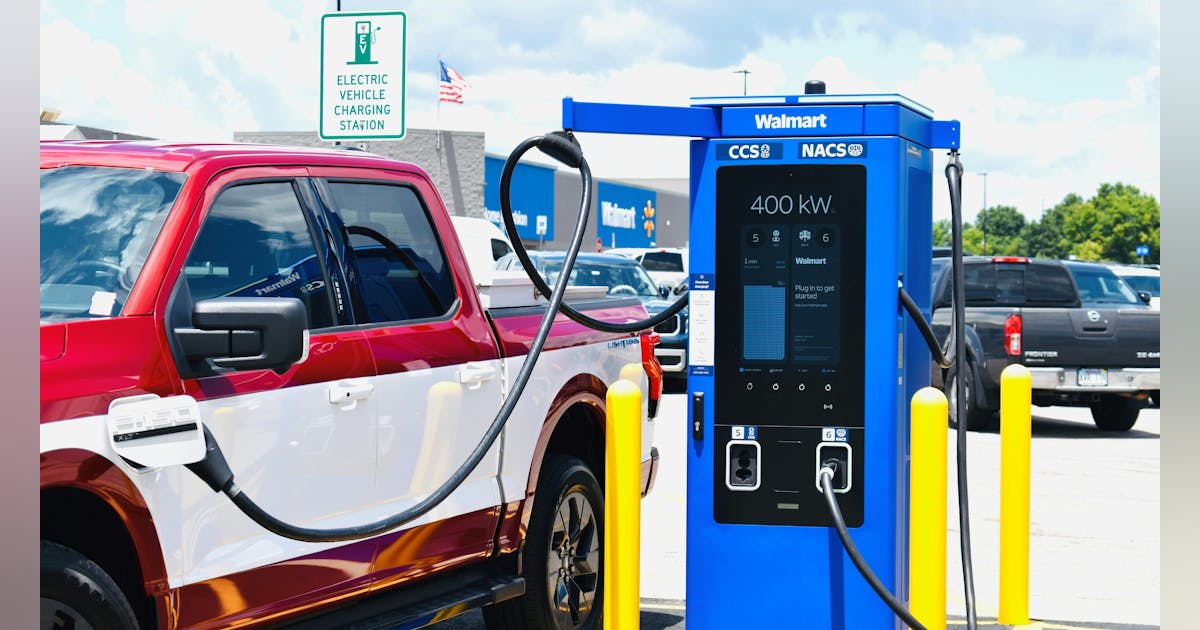
But the infrastructure is catching up to support growth. The U.S. now has more than 70,000 fast charging ports, with 18,000 installed just last year. As Michael Maten, director of EV policy at General Motors, noted, "We're really excited about where we can go from here."
Washington's experiment delivered a clear message: when electric cars become affordable at the moment of purchase, working families choose them.
Based on reporting by Google News - Electric Vehicle
This story was written by BrightWire based on verified news reports.
Spread the positivity!
Share this good news with someone who needs it