Watch Eta Aquarid Meteor Shower Live From 6 Global Sites
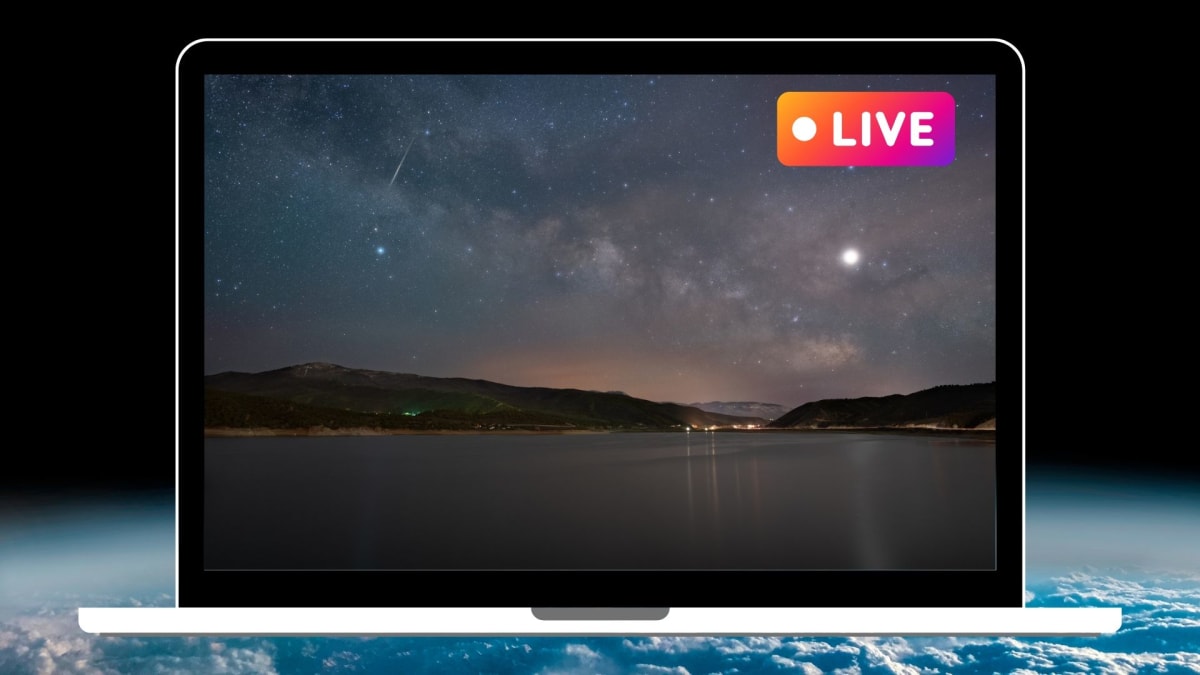
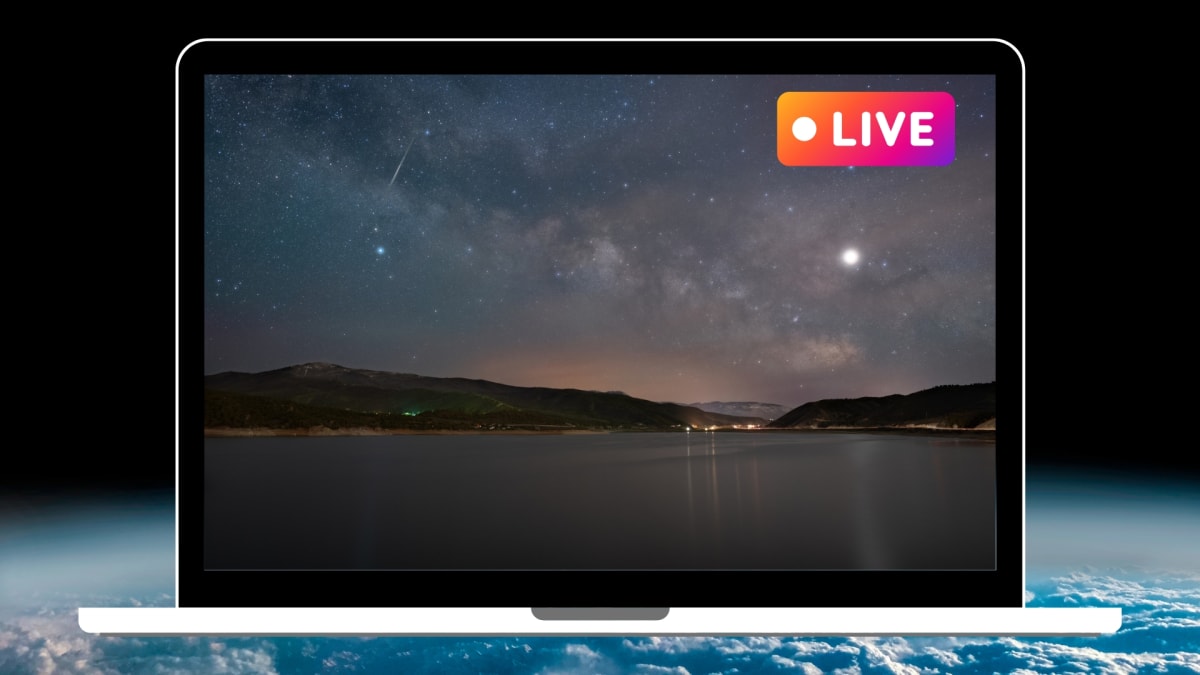
Missing the meteor shower peak because of clouds or city lights? Six free livestreams from Chile to Japan are bringing the night sky straight to your screen this week.
You don't need perfect weather or a remote mountaintop to catch one of nature's most spectacular light shows this week.
The Eta Aquarid meteor shower peaks in the early hours of May 6, and observatories around the world are streaming the celestial display for free. Whether you're stuck in a light-polluted city or dealing with cloudy skies, these live feeds offer front-row seats to shooting stars streaking across the darkness.
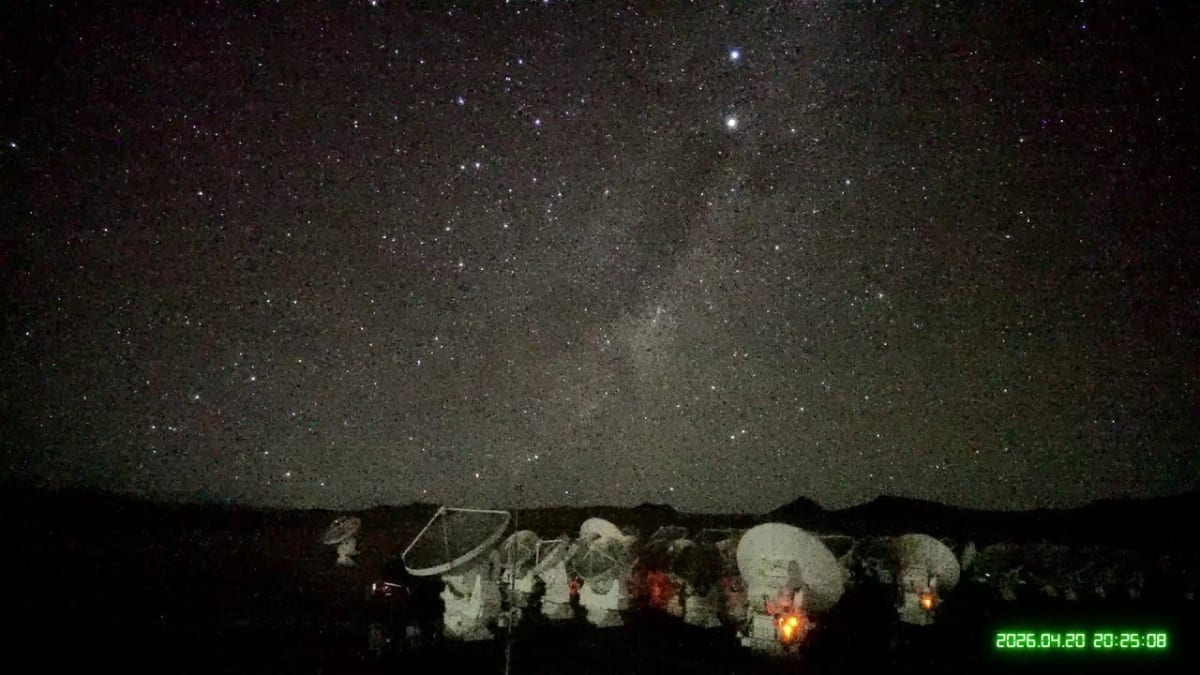
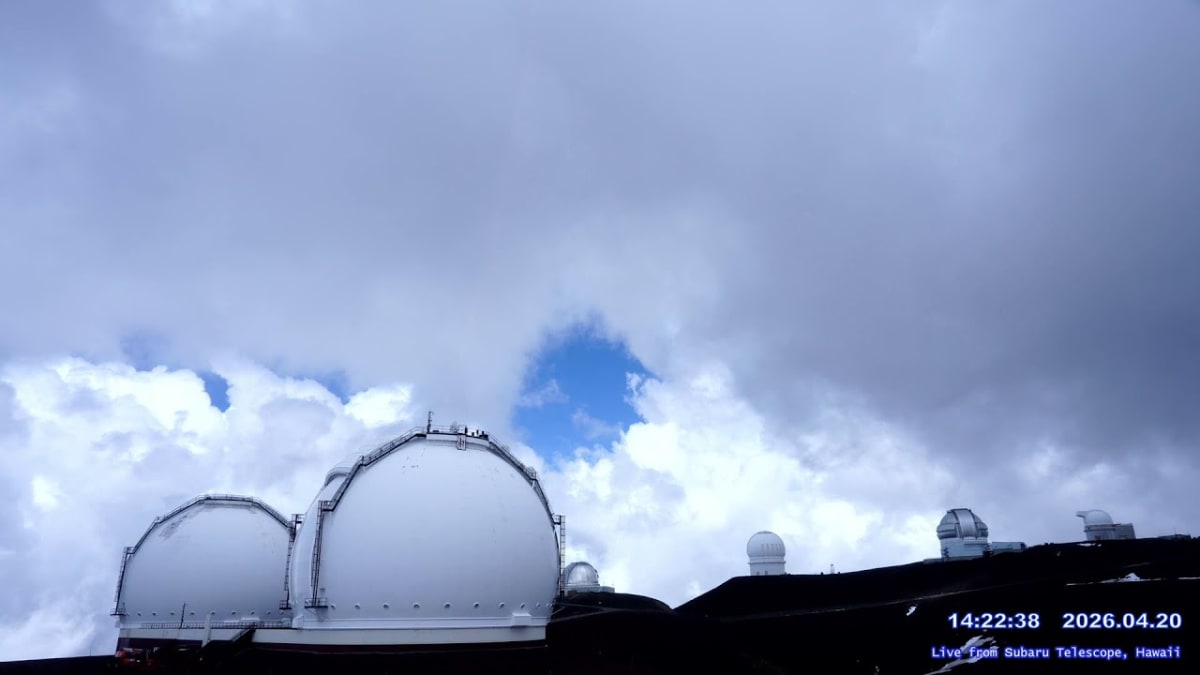
The Atacama Desert in Chile hosts one of the clearest views, streaming from the Atacama Large Millimeter Array beneath some of Earth's darkest skies. High above the clouds, Hawaii's Mauna Kea observatory provides another stunning vantage point with crystal clear air and minimal light pollution.
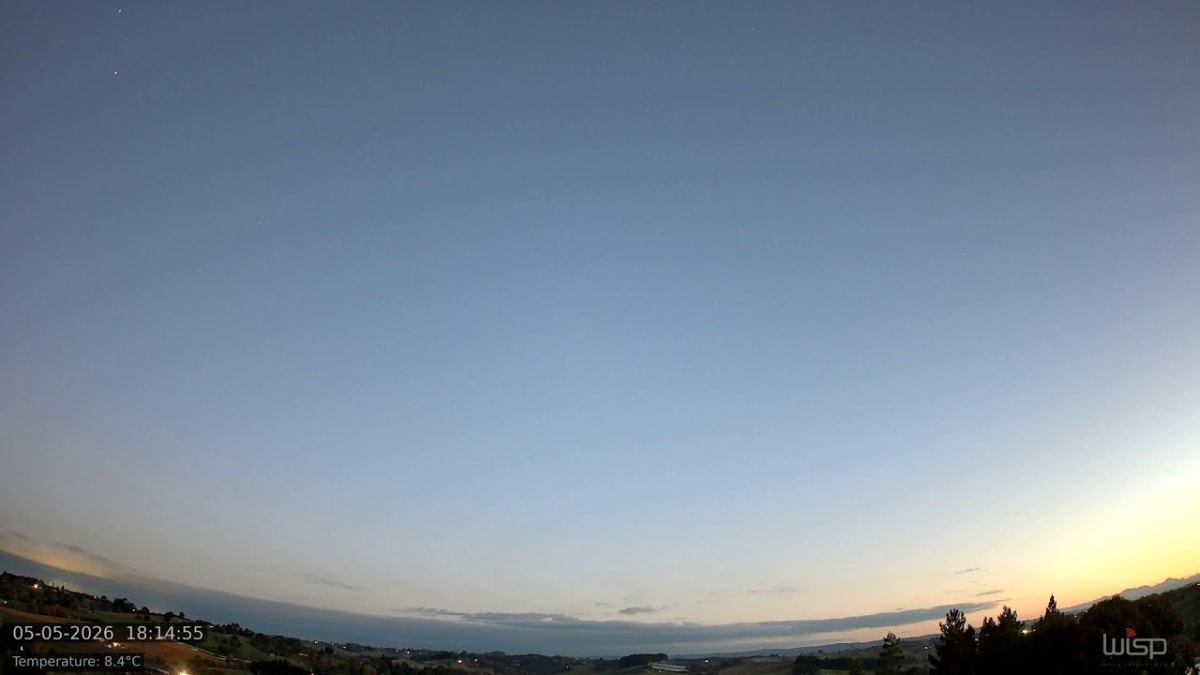
New Zealand's South Island offers prime southern hemisphere viewing, where the Eta Aquarids typically shine brightest. The Nelson and Tasman region captures the show in crisp 4K quality, perfect for spotting those quick meteor streaks.
Northern hemisphere viewers can tune into feeds from Embleton in the United Kingdom, where a wide-angle sky cam increases chances of catching meteors as they flash across the screen. Japan offers multiple livestreams from locations including Kagawa and the Kiso Observatory at the University of Tokyo.
The Bright Side: These livestreams do more than just share a meteor shower. They democratize one of nature's most awe-inspiring events, bringing dark skies and astronomical wonders to anyone with an internet connection. Families in apartments can gather around a laptop, teachers can share the experience with classrooms, and people in hospital beds can still witness cosmic beauty. Technology is turning astronomy from a hobby requiring special equipment and remote locations into something accessible to everyone, everywhere.
The feeds run throughout the night, so viewers can dip in and out across different time zones. Each location offers unique conditions and perspectives, from desert landscapes to mountain observatories to coastal horizons.
Watch the stars fall, no matter where you are.
More Images
Based on reporting by Space.com
This story was written by BrightWire based on verified news reports.
Spread the positivity!
Share this good news with someone who needs it