Water Treaties Get Smarter to Save 630 Million People
Experts are transforming how countries share water, using real-time satellite data and AI to help 630 million people facing water shortages. A time-tested treaty that survived wars and climate change is showing the way forward.
Countries in South Asia are pioneering smarter water-sharing agreements that could protect hundreds of millions of people from water scarcity.
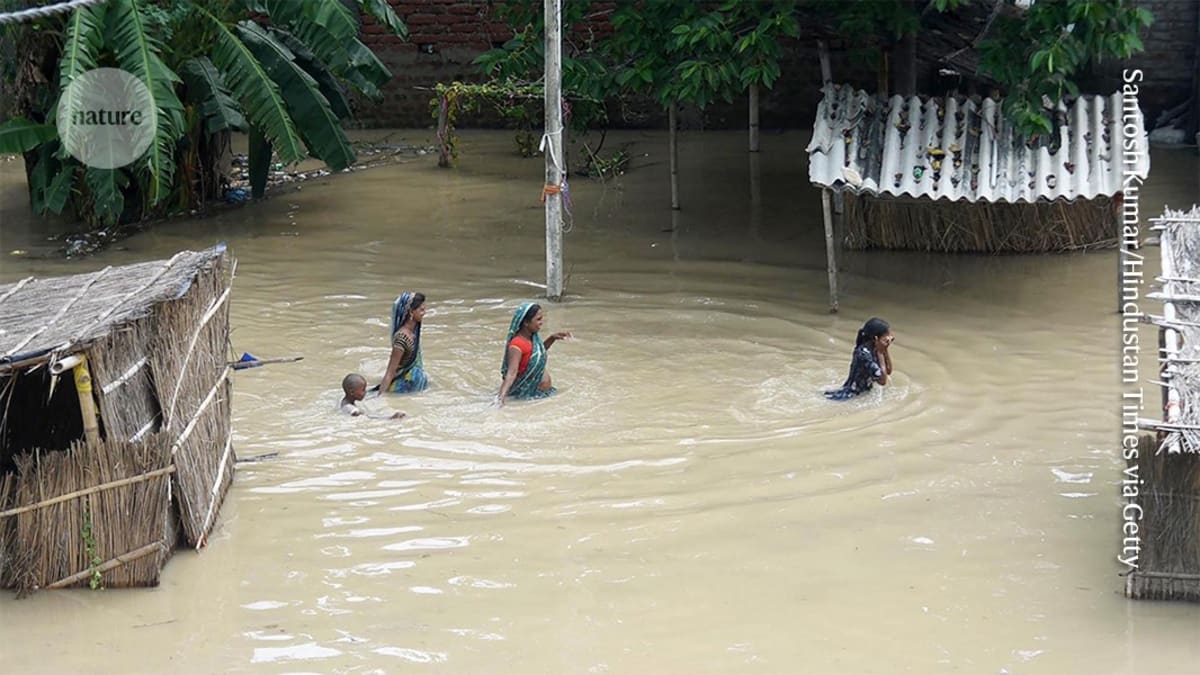
The UN warned in January that the world faces water "bankruptcy" as overuse, pollution, and climate change threaten water systems. Melting glaciers on the Tibetan Plateau are disrupting the seasonal flow of major rivers like the Indus, Ganges, and Brahmaputra, affecting water supplies for over 630 million people.
But there's hope in an unexpected place. The 1960 Indus Waters Treaty sustained millions of people through multiple wars and a 13% loss of glacier mass between 2000 and 2021.
Water governance expert Dr. Ali Tauqeer Sheikh, who has advised the Pakistan government, says the treaty worked because of three smart features. It had a neutral mediator in the World Bank, a technical commission that could solve problems without political renegotiations, and shared investment of $900 million.
Now experts want to make these agreements even better. Instead of trying to maintain historical river levels, new treaties would use real-time satellite monitoring and AI modeling to adjust water allocations as conditions change.
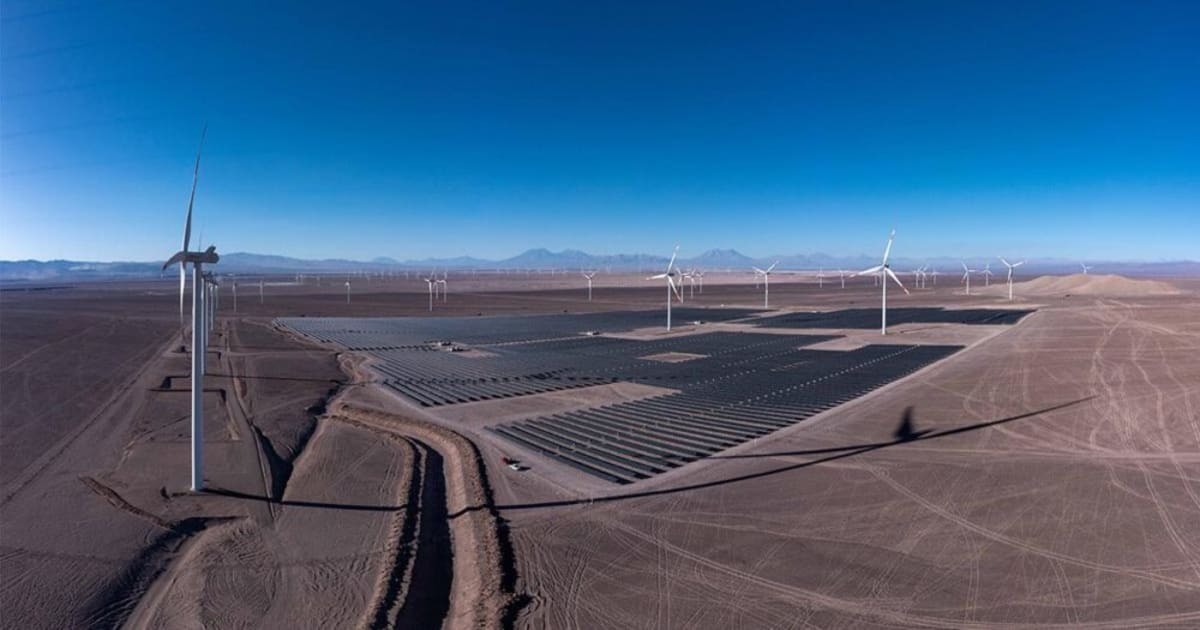
The technology already exists. Scientists created a "digital twin" simulation for China's Yangtze River basin that helps predict and manage climate impacts using live data on rainfall, snow, ice, and river flows.
The Ganges Water-sharing Treaty expires this December, creating an urgent opportunity to apply these lessons. Real-time data would help water managers better control sediment and salinity levels, adapting to changing conditions instead of being locked into outdated agreements.
The Ripple Effect
This shift from static to dynamic water management could transform how countries cooperate on shared resources. Rather than fighting over fixed amounts of water, nations could work together using shared data and predictive tools.
The approach treats river networks as whole ecosystems instead of just volumes to divide. Satellite monitoring and modeling would let countries adjust allocations smoothly without constant tense renegotiations.
The stakes are enormous as climate change accelerates, but the Indus treaty proves cooperation is possible even through conflict and crisis. With better technology and smarter institutions, water-sharing agreements can become more resilient exactly when the world needs them most.
Turning existing commissions into proactive, data-driven authorities could secure water access for hundreds of millions of people facing an uncertain climate future.
More Images




Based on reporting by Nature News
This story was written by BrightWire based on verified news reports.
Spread the positivity!
Share this good news with someone who needs it