Wavy Plastic Matches Steel Strength in Concrete Tests
Scientists in the UAE discovered that 3D-printed wavy plastic can reinforce concrete almost as well as steel, offering a lighter, greener alternative for future construction. The breakthrough centers on shape as much as material.
Concrete might be getting a major upgrade, and the solution looks nothing like the heavy steel bars builders have relied on for a century.
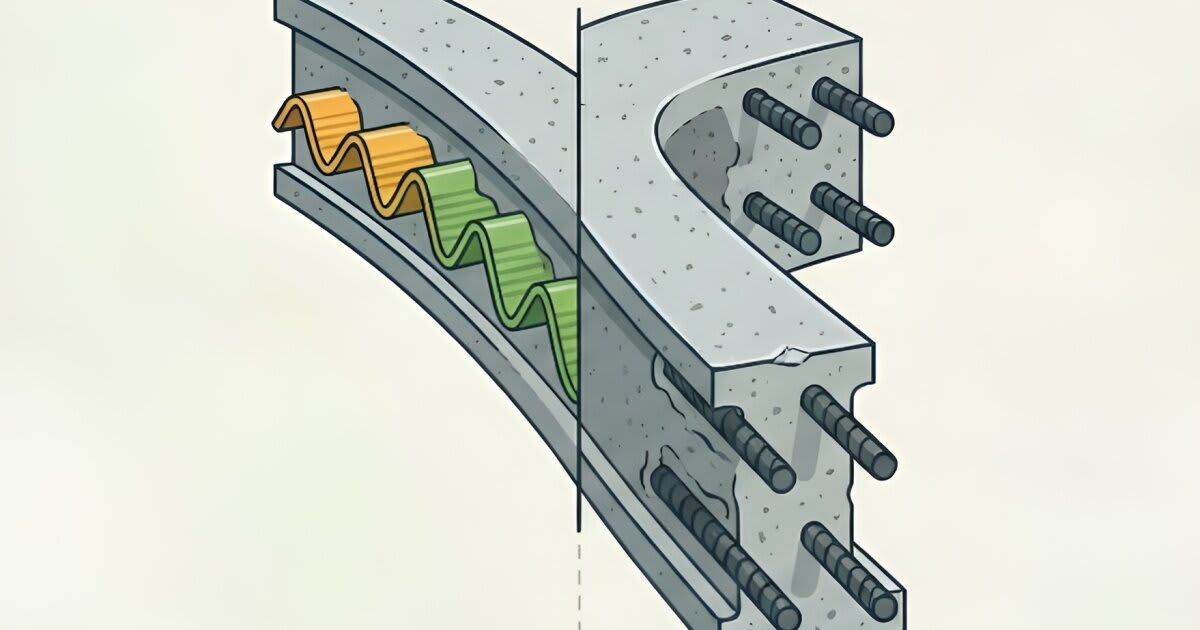
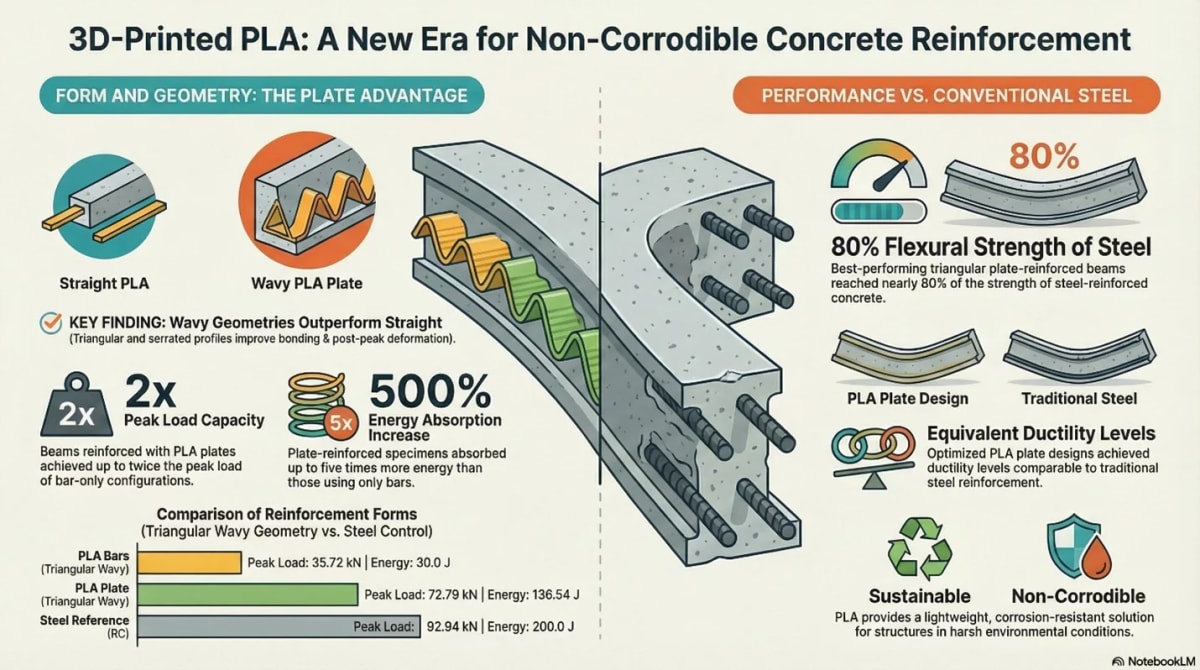
Researchers at the University of Sharjah in the UAE just proved that wavy plastic shapes can reinforce concrete nearly as effectively as traditional steel rebar. In their tests, specially designed plastic plates reached 80% of steel's bending strength while matching its flexibility completely.
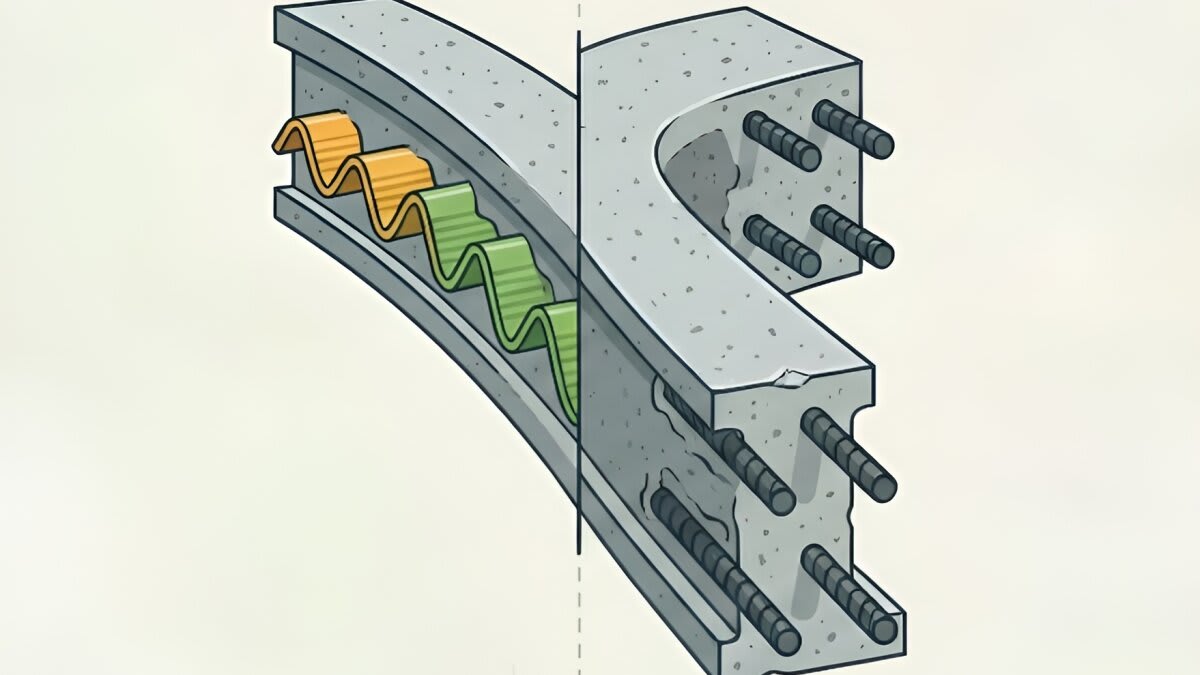
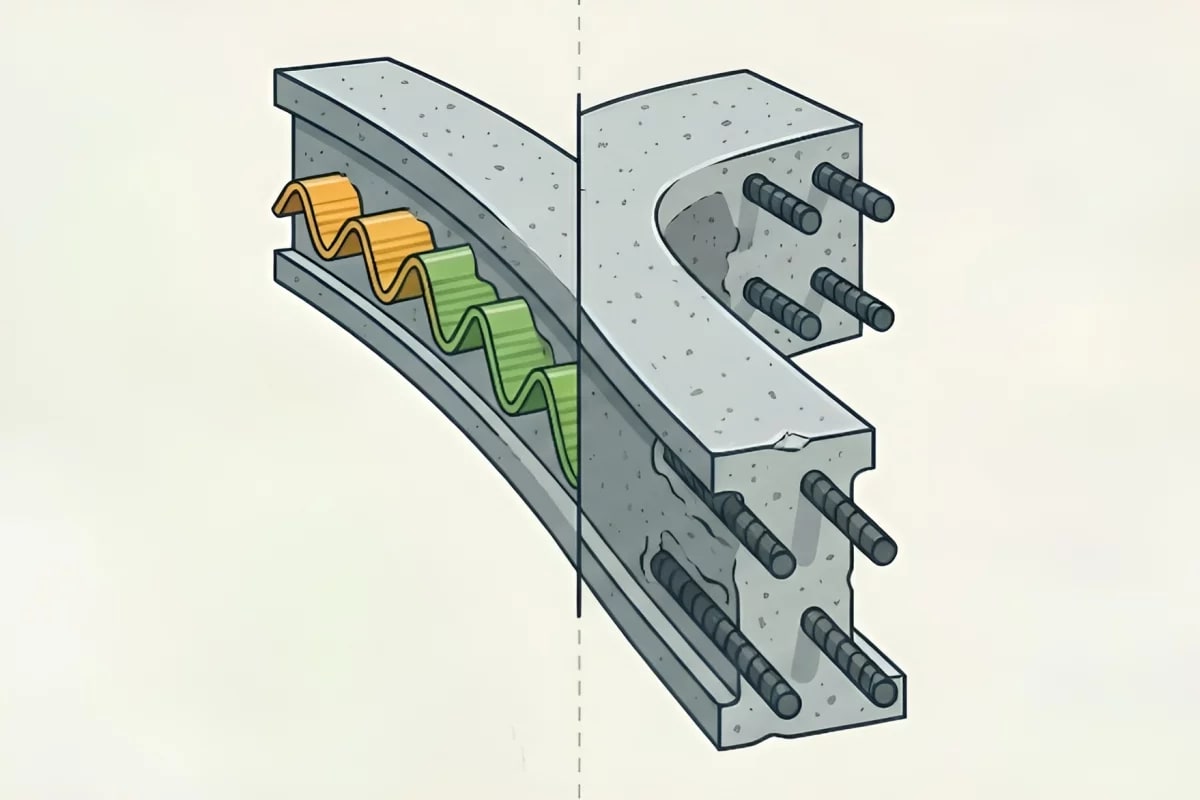
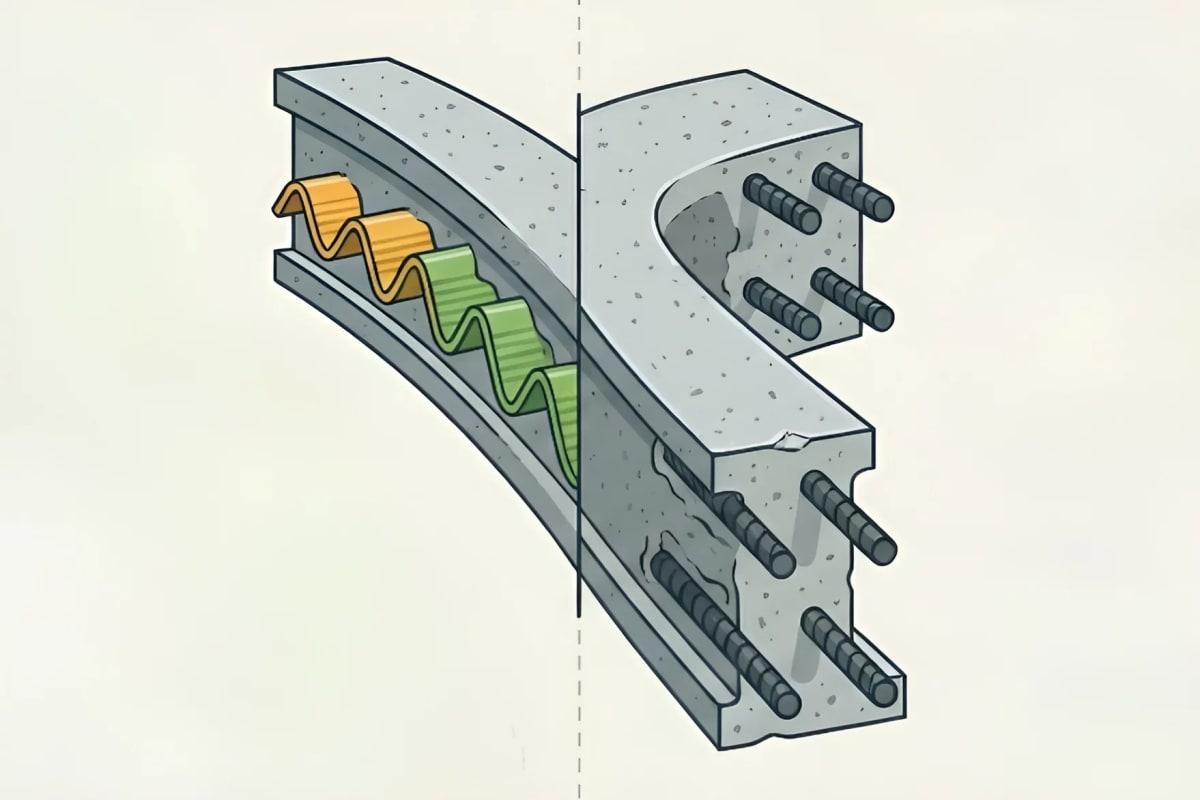
The secret wasn't just swapping materials. Dr. Muhammad Junaid and his team focused on geometry, 3D-printing polylactic acid (PLA) into flat plates, wavy patterns, and serrated triangular designs instead of simple bars.
The results surprised even the researchers. Beams reinforced with PLA plates handled twice the weight of those using standard plastic bars. Some shapes absorbed five times more energy before breaking.
"These serrated shapes acted like teeth, locking into the concrete to prevent slipping," Dr. Junaid explained. The wavy triangular plates gripped concrete far better than smooth cylindrical bars ever could.
Steel currently reinforces over 20% of the nearly 2 billion tons of material produced globally each year. But that dominance comes with serious downsides. A cubic yard of reinforced concrete carries up to 250 pounds of steel, sometimes exceeding 300 pounds in heavy-duty applications.
Steel also corrodes over time, weakening structures and requiring costly repairs. Its production demands massive energy inputs, from mining and refining to shaping and transport, making it one of construction's biggest carbon contributors.
The Bright Side
PLA offers compelling advantages beyond matching steel's performance. The biodegradable thermoplastic resists corrosion completely, eliminating a major maintenance headache. It weighs far less than steel, reducing transportation costs and construction strain.
The material's environmental footprint is significantly smaller too. PLA production generates fewer greenhouse gases than steel manufacturing, and the plastic eventually breaks down naturally.
Perhaps most exciting is the customization potential. 3D printing allows builders to create exactly the shapes they need on demand, no industrial foundry required. Complex geometries that would be prohibitively expensive in steel become simple printing jobs.
The researchers tested small-scale prototypes, so full-sized construction applications still need validation. Certain building projects will always require steel's full strength. But many structures could benefit from lighter, greener reinforcement that performs nearly as well.
The study, published in Construction and Building Materials, opens doors for architects and engineers to rethink how they build. Imagine construction sites with less weight to move, structures that resist corrosion for decades, and buildings with smaller carbon footprints from day one.
Steel revolutionized construction a hundred years ago, and it's not disappearing tomorrow, but shape-shifting plastic just proved it has serious competition.
More Images
Based on reporting by New Atlas
This story was written by BrightWire based on verified news reports.
Spread the positivity!
Share this good news with someone who needs it