Waymo Robotaxis Find 500 Potholes in 5 Cities for Waze
Self-driving cars are now hunting potholes and sharing them with city planners and everyday drivers. Waymo's robotaxis have already spotted 500 road hazards across five major cities, creating a smarter way to keep streets safe.
Your next bump-free commute might be thanks to a robot car that drove the route before you.
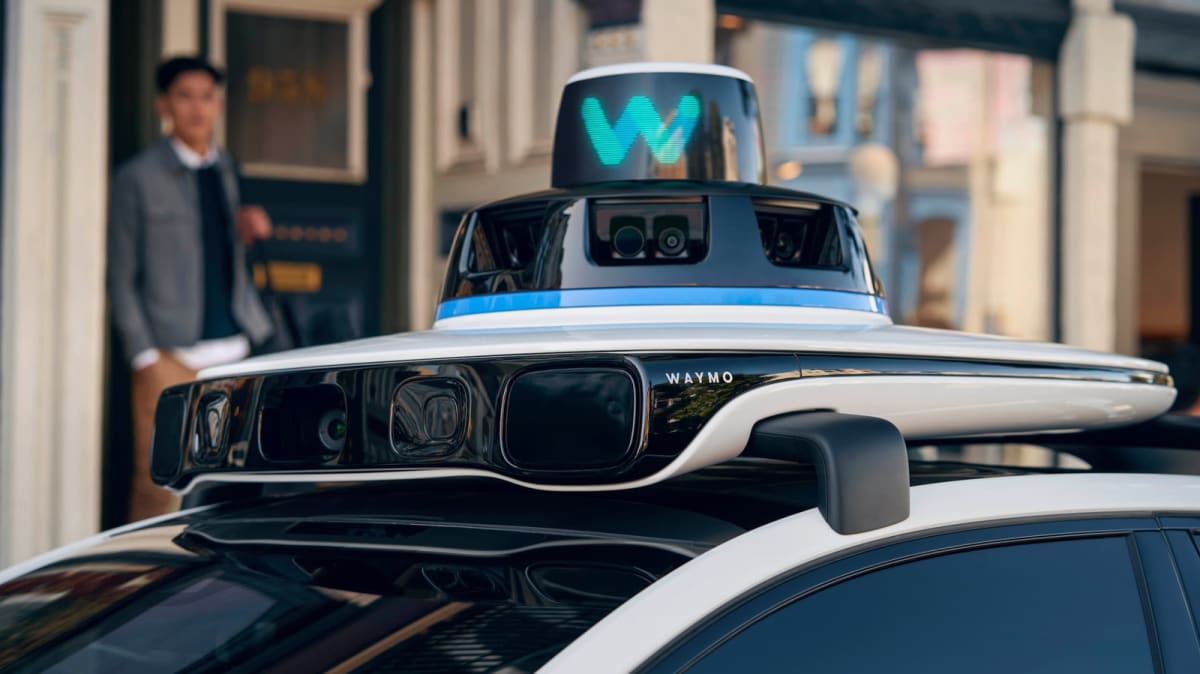
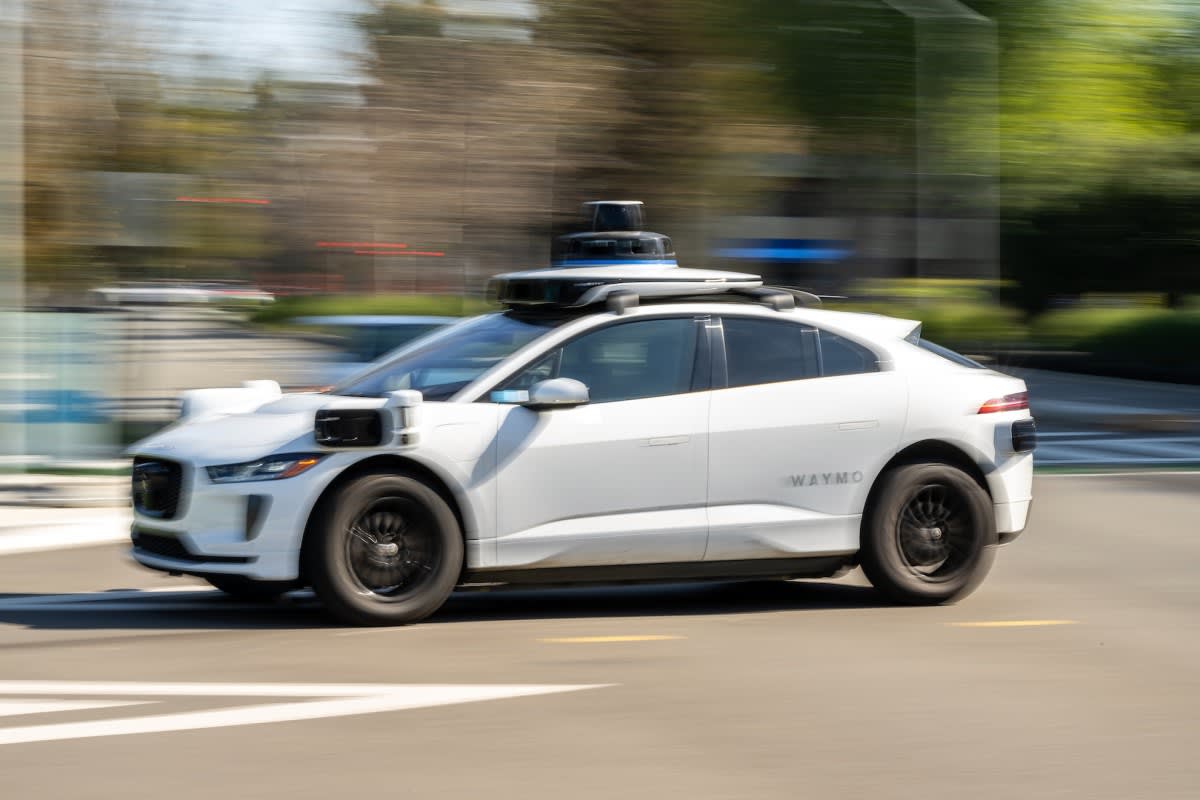
Waymo and Waze just launched a partnership that turns self-driving cars into pothole detectors. The robotaxis, already cruising through 11 cities, use their cameras and sensors to spot road damage and instantly share it with city workers and Waze app users.
The pilot program started in Austin, Atlanta, Los Angeles, Phoenix, and the San Francisco Bay Area. In just these five cities, Waymo has already identified about 500 potholes that need fixing.
Here's how it works: Waymo's robotaxis collect data while driving their normal routes. That information goes straight to Waze for Cities, a free platform that city planners use to manage road conditions. At the same time, anyone using the Waze app gets alerts about those same potholes.
Waze users can already report potholes manually, but this technology fills in the gaps. The robotaxis run 24/7, catching road damage that human drivers might miss or forget to report.
The Ripple Effect
This partnership could change how cities maintain their streets. Instead of waiting for complaints or sending inspection crews on random patrols, city workers get real-time data about exactly where problems exist.
The timing matters too. Waymo plans to expand to more than 20 cities this year, which means more roads getting monitored and more communities benefiting from better infrastructure data.
City officials actually requested this service. They told Waymo over the years that better road condition data would help them fix problems faster and allocate repair budgets more effectively.
"Waymo is showing the good neighbor principle in action: sharing data that helps cities fix problems faster and make streets safer for everyone," said Sarah Kaufman, Director of the New York University Rudin Center for Transportation.
The technology makes perfect sense. These robotaxis already have expensive sensors scanning the road constantly to navigate safely. Using that same equipment to benefit communities costs Waymo almost nothing extra but could save cities thousands in inspection costs.
As more self-driving cars hit the roads, this kind of public-private data sharing could become the norm, turning every autonomous vehicle into a rolling quality inspector for America's aging infrastructure.
More Images


Based on reporting by TechCrunch
This story was written by BrightWire based on verified news reports.
Spread the positivity!
Share this good news with someone who needs it