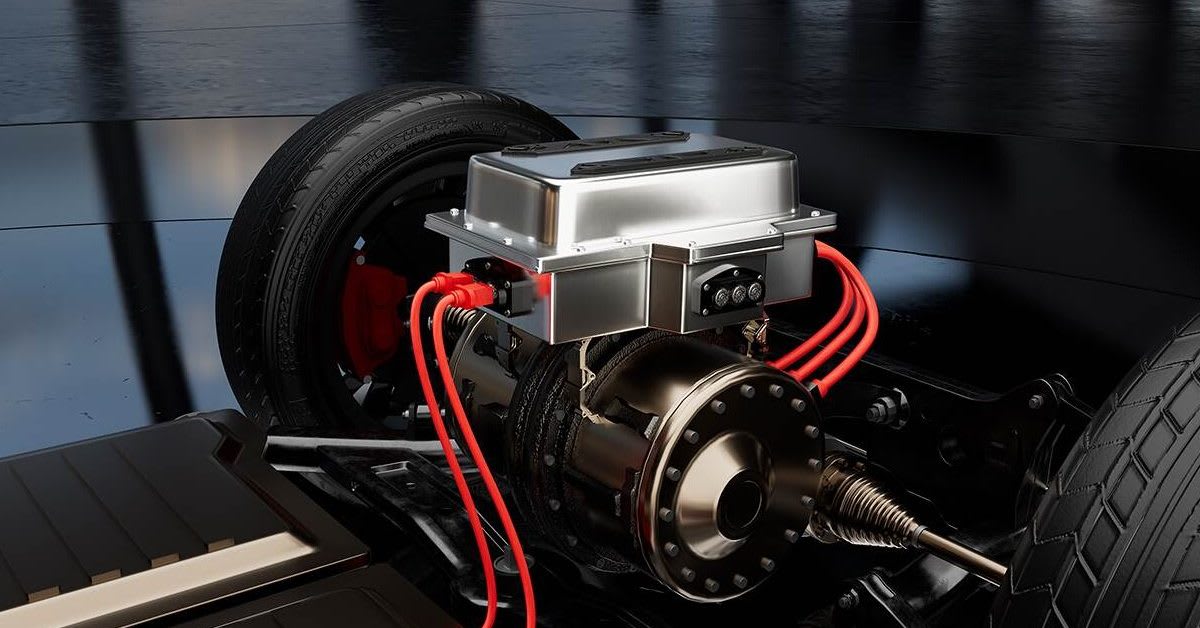
Waymo's New Robotaxi Designed for Comfort Hits 3 Cities
Waymo just launched a minivan-style robotaxi built from the ground up to be more comfortable, affordable, and rider-friendly than anything before it. After years of development and half a million weekly paid rides, the company is bringing lessons learned into a vehicle designed to finally make robotaxis work at scale.
Getting into a robotaxi is about to feel a lot more like sliding into your living room and a lot less like cramming into a compact car.
Waymo just started offering free rides in its brand new Ojai robotaxi to select passengers in Los Angeles, Phoenix, and San Francisco. The all-electric minivan represents a complete redesign focused on one goal: creating a robotaxi that people actually want to ride in, over and over again.
The timing matters. Waymo recently hit a major milestone, providing more than 500,000 paid robotaxi rides every week across its fleet of 3,700 vehicles. That real-world experience taught the Alphabet-owned company exactly what riders need and what breaks down fastest.
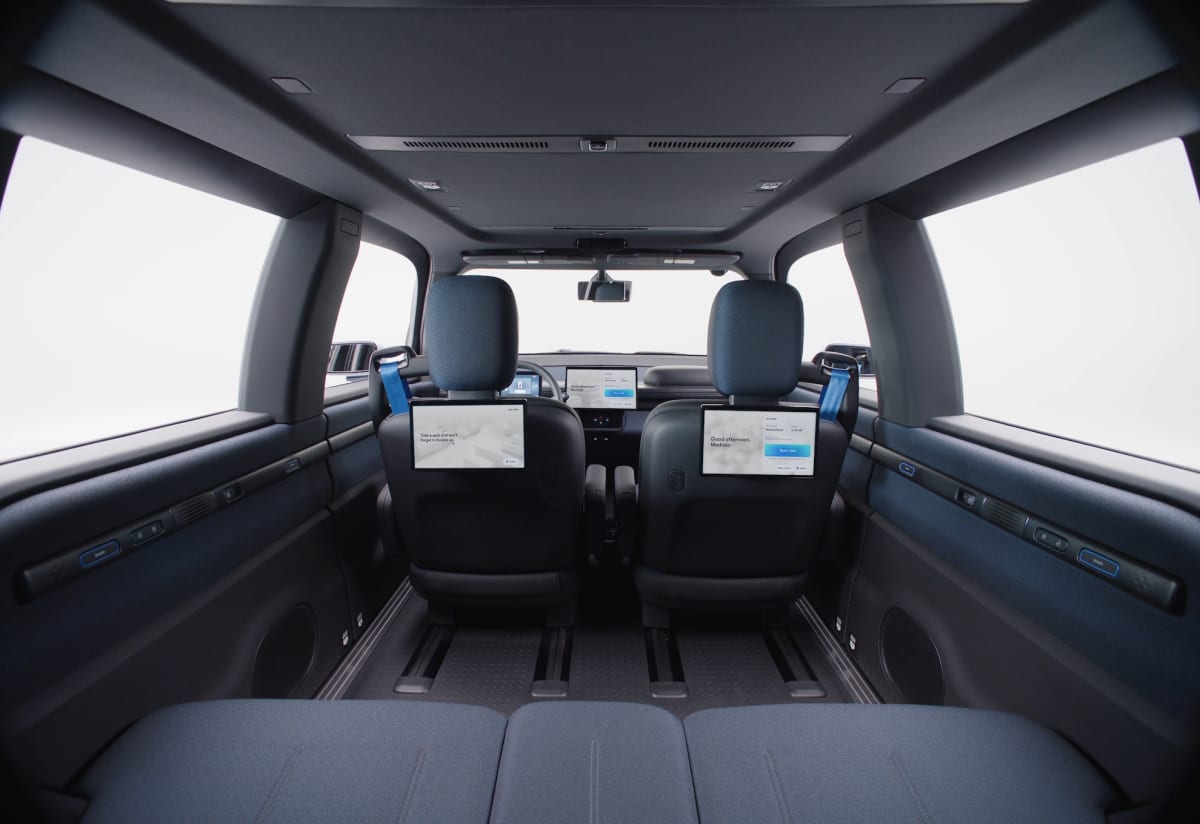
The Ojai answers those lessons with gondola-like doors on both sides, a flat floor for easy entry, and genuinely spacious interiors with extra leg and headroom. Inside, riders find charging ports, cup holders, grab bars, and three large screens to control music, climate, and see their route in real time.
The vehicle was designed in Sweden and manufactured by Chinese automaker Zeekr, though Waymo strips out all connected car tech before outfitting each van at its Arizona factory. The partnership lets Waymo scale toward tens of thousands of new robotaxis annually, a massive jump from today's fleet size.
What makes this different from earlier robotaxis goes beyond passenger comfort. The modular design means faster repairs, easier cleaning between rides, quicker charging, and lower operating costs. Every detail targets the challenge of vehicles that need to handle hundreds of thousands of riders without constant downtime.
The new robotaxi runs on Waymo's sixth-generation autonomous system, featuring 13 cameras, four lidar sensors, six radar units, and external audio receivers. That same system can be adapted to other vehicles, including an upcoming Hyundai Ioniq 5 version, giving Waymo flexibility as it expands.
Accessibility features include braille labels above buttons and multiple grab bars, signaling Waymo's push to make autonomous rides work for everyone, not just tech enthusiasts.
The Ripple Effect
Half a million paid rides per week means robotaxis have already moved from science fiction to daily transportation for tens of thousands of people. The Ojai takes that foundation and builds toward something bigger: autonomous vehicles that are comfortable enough, affordable enough, and reliable enough to become a genuine alternative to car ownership in major cities.
As Waymo scales production to tens of thousands of vehicles annually, the math starts working for both the company and riders looking for convenient, sustainable transportation.
The robotaxi future just got a lot more comfortable.
More Images


Based on reporting by TechCrunch
This story was written by BrightWire based on verified news reports.
Spread the positivity!
Share this good news with someone who needs it