Waymo's New Tech Could Bring Robotaxis to 20 More Cities
Self-driving car company Waymo just unveiled cheaper, more versatile technology that could bring driverless rides to dozens of new cities this year. The breakthrough means robotaxis might soon become as common as regular rideshares in cities across America.
Waymo just made driverless cars a lot easier to build, and that could mean robotaxis arriving in your city sooner than you think.
The self-driving car company unveiled its sixth-generation technology that costs less and fits into more types of vehicles. That simple combination could help driverless rides expand from a handful of cities to neighborhoods across America.
Right now, Waymo operates in just a few cities like San Francisco, Phoenix, Los Angeles, Austin and Atlanta. Most Americans have never seen one of these cars, let alone taken a ride in one. The company currently runs about 1,500 vehicles, a tiny fraction of the millions of cars on U.S. roads.
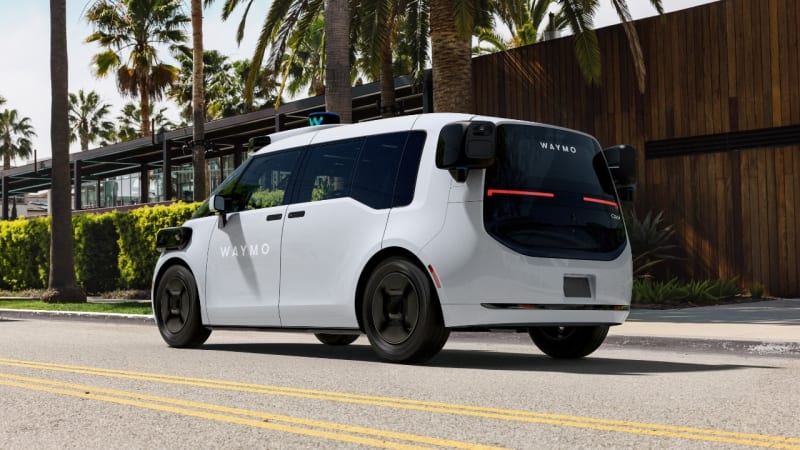
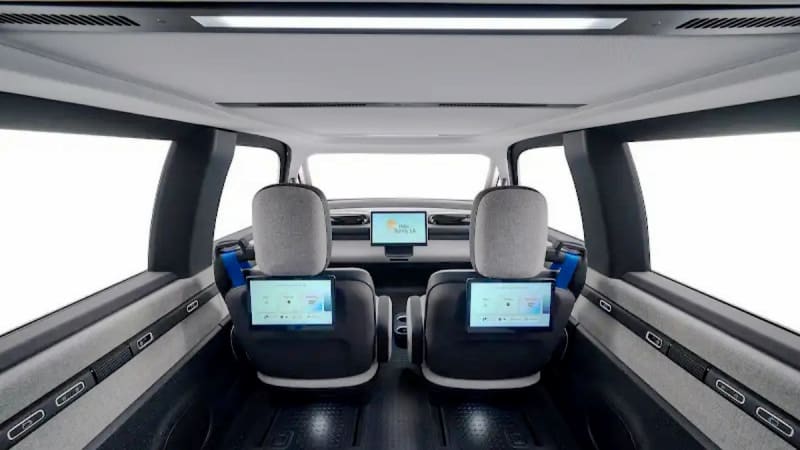
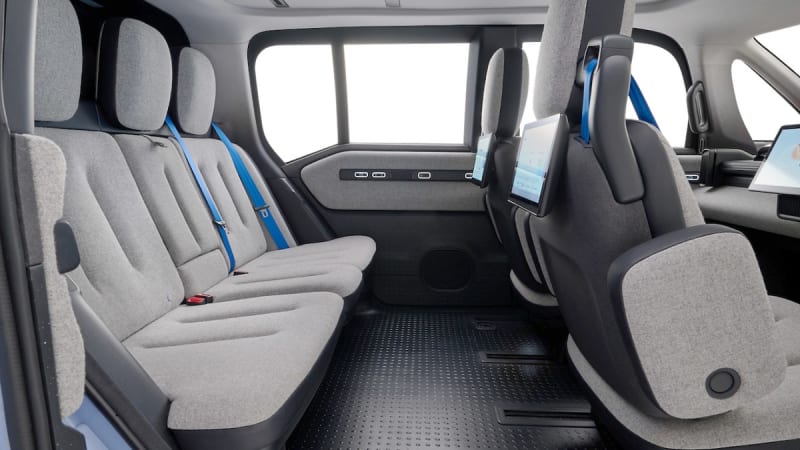
The new system changes the math completely. Waymo can now install the same technology across different vehicle types, from electric minivans to compact SUVs. The first model will be the Zeekr-built Ojai minivan, with the Hyundai Ioniq 5 following soon after.
The company plans to move into 20 additional cities this year. Its Phoenix facility is ramping up to build tens of thousands of driver kits annually, a massive jump from current production.
What makes the system cheaper? Waymo shifted more processing power into custom computer chips, which allowed engineers to use fewer cameras while actually improving performance. The new setup uses 16 high-resolution cameras instead of the previous 29, plus radar, lidar and even external microphones that can detect sirens.
The technology works by creating a 360-degree view of everything around the car. Short-range lidar detects pedestrians and cyclists with centimeter-level accuracy. Upgraded radar tracks distance and speed even in rain or snow. If one sensor struggles, others back it up.
The Ripple Effect
This expansion could reshape how Americans think about getting around. More robotaxis mean less need for car ownership in cities, fewer parking lots taking up valuable urban space, and new transportation options for people who cannot drive.
The technology also promises benefits for people with disabilities, older adults who have given up their licenses, and communities where traditional taxi service is limited. When driverless rides become as easy to find as regular rideshares, mobility becomes more accessible to everyone.
Waymo says the new system handles extreme weather better than previous versions, including heavy snow and winter conditions. That opens the door to northern cities that were previously too challenging.
The company has logged nearly 200 million fully autonomous miles across more than 10 major cities. While safety questions remain and regulators continue close monitoring, the technology is steadily proving itself on real roads with real traffic.
The shift from expensive test vehicles to affordable, mass-producible systems marks a turning point for an industry that has promised transformation for years but delivered it to only a lucky few.
More Images
Based on reporting by Fox News Tech
This story was written by BrightWire based on verified news reports.
Spread the positivity!
Share this good news with someone who needs it