Waymo's Self-Driving Cars Get Remote Help From Humans
During a Congressional hearing, Waymo revealed its "self-driving" taxis receive guidance from human operators in the Philippines and other countries when they encounter tricky road situations. While this raises questions about autonomy, it shows companies are prioritizing safety by keeping humans in the loop.
Self-driving cars might not be quite as independent as we thought, but that's actually a good thing for safety.
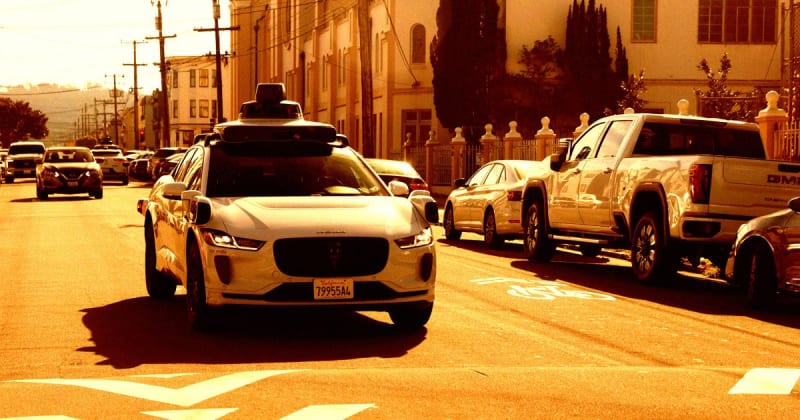
Waymo's chief safety officer told Congress this week that the company's autonomous taxis get help from remote human operators when they encounter unusual situations on the road. Some of these operators work from the United States, while others are based overseas, including in the Philippines.
The setup works like a sophisticated "phone a friend" system. When a Waymo vehicle spots something it's not sure how to handle, it contacts a remote operator who can view live camera feeds and suggest which lane to use or what path to take. The car's software makes the final decision and controls all driving functions, but the human input helps it navigate safely.
Waymo has been transparent about this approach since at least May 2024, describing it as an extra safety layer. The company requires all fleet response agents to hold valid driver's licenses and undergo background checks, drug screenings, and driving record evaluations, regardless of where they're based.
Tesla's VP of vehicle engineering revealed during the same hearing that its vehicles use similar remote assistance. This suggests the practice is common across the autonomous vehicle industry as companies work to make their technology safer before achieving true independence.
Why This Inspires
The revelation that self-driving cars still need human wisdom shows the industry is taking a careful, responsible approach to new technology. Rather than rushing to claim full autonomy, companies are building in safety nets that protect passengers and pedestrians.
This honest acknowledgment of limitations demonstrates maturity in an industry racing toward the future. By combining artificial intelligence with human judgment, companies are creating a hybrid system that leverages the best of both worlds until the technology can truly stand on its own.
The transparency also opens important conversations about how we regulate and improve autonomous vehicles. Understanding how these systems actually work helps lawmakers, safety experts, and the public make informed decisions about the technology's role on our roads.
As autonomous vehicles continue developing, this cautious approach of keeping humans involved in complex decisions could save lives. The technology will get there eventually, and this measured rollout ensures we arrive safely.
More Images
Based on reporting by Futurism
This story was written by BrightWire based on verified news reports.
Spread the positivity!
Share this good news with someone who needs it