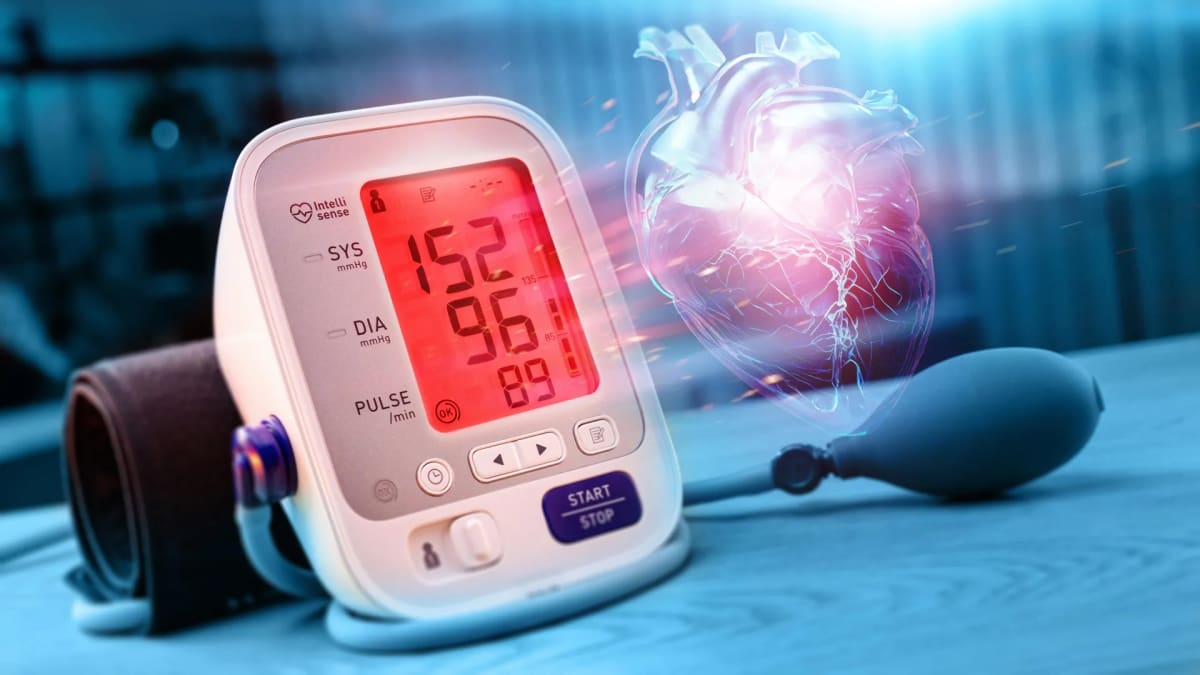
Wearable Device Detects Hidden Cause of High Blood Pressure
A new wearable device reveals nighttime hormone surges that standard blood tests miss, helping doctors diagnose a condition affecting one in five people with high blood pressure. The technology could prevent thousands of heart attacks and strokes by catching the problem earlier.
Millions of people with stubborn high blood pressure may finally get answers about what's driving their condition, thanks to a smartphone-sized device that tracks hormones around the clock.
Researchers from the University of Bristol discovered that primary aldosteronism, a hormone disorder affecting up to 20% of people with high blood pressure, causes sudden bursts of hormone production during sleep. Those nighttime surges explain why routine blood tests, which happen during the day, often miss the condition entirely.
The breakthrough came from monitoring 60 patients across four cities using a lightweight wearable device that measures hormone levels every 20 minutes. Patients wore the device at their waist while going about their normal lives, including sleeping at night. The technology samples hormones through the skin, so people could work, eat, and rest comfortably while researchers collected detailed data.
Dr. Thomas Upton, who co-led the study published in Science Translational Medicine, explained that primary aldosteronism could be affecting millions in the UK alone. The condition increases the risk of heart disease, stroke, and diabetes. Yet diagnosis is often delayed for years or never happens at all because hormone levels fluctuate unpredictably.
The continuous monitoring revealed something surprising. Even in severe cases, aldosterone levels sometimes dipped below the thresholds doctors use for diagnosis. A single blood test taken at the wrong moment could show perfectly normal results, leaving patients and doctors puzzled about why blood pressure remains dangerously high despite medication.
The hormone spikes came from the adrenal glands and were especially strong in patients whose condition affected only one gland rather than both. When surgeons removed the affected adrenal gland, the unusual nighttime bursts disappeared completely, confirming the connection.
The Bright Side
This discovery means doctors can finally catch a condition that's been hiding in plain sight for decades. The device, developed into commercial technology by spinout company Dynamic Therapeutics in 2023, offers a path toward earlier diagnosis and more effective treatment.
Dr. Eder Zavala from the University of Manchester noted that detailed mathematical analysis of hormone patterns could eventually detect even earlier, subtler forms of the disease. That would open opportunities to treat patients before serious complications develop.
The Endocrine Society now recommends screening all people with high blood pressure for primary aldosteronism. This wearable technology could make that screening accurate and practical, potentially preventing countless heart attacks and strokes that current testing methods allow to slip through.
Future diagnosis may move away from single blood tests and toward tracking the body's natural hormone rhythms throughout a full day and night.
Based on reporting by Google News - Researchers Find
This story was written by BrightWire based on verified news reports.
Spread the positivity!
Share this good news with someone who needs it