Webb Telescope Reveals Early Galaxies Far Bigger Than Thought
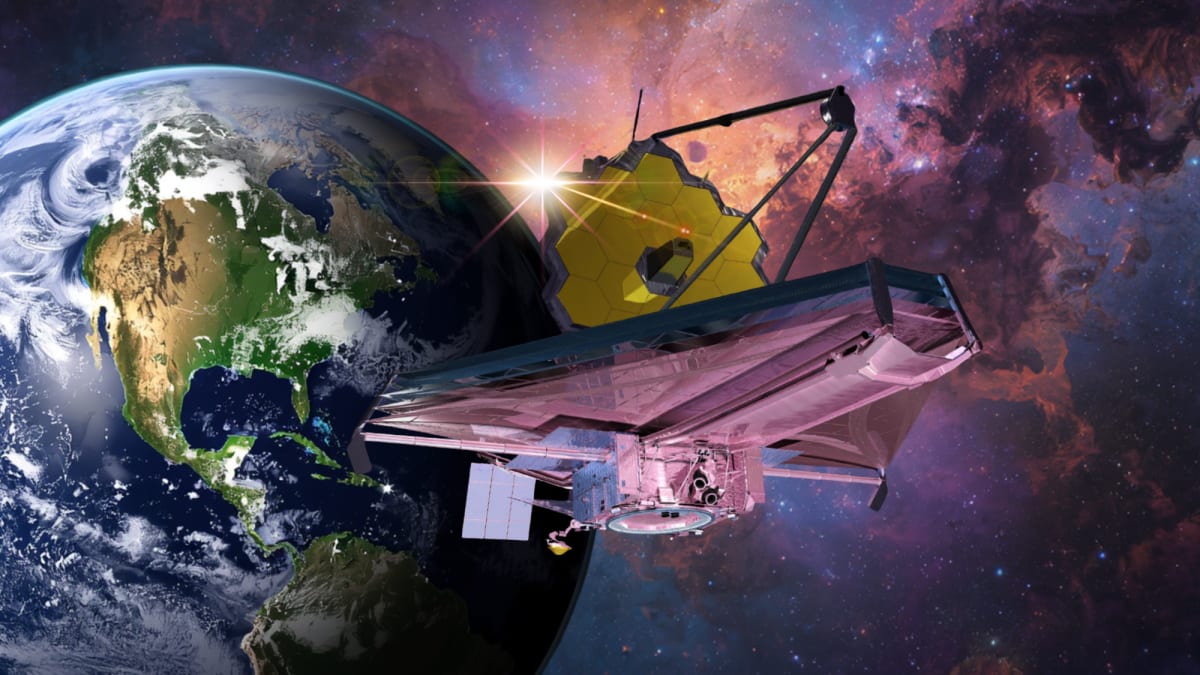
The James Webb Space Telescope just discovered that the universe's first galaxies contain way more stars than we ever knew. Hidden among the bright giants are countless smaller stars we simply couldn't see before.
The universe's earliest galaxies have been hiding a cosmic secret, and the James Webb Space Telescope just brought it into the light.
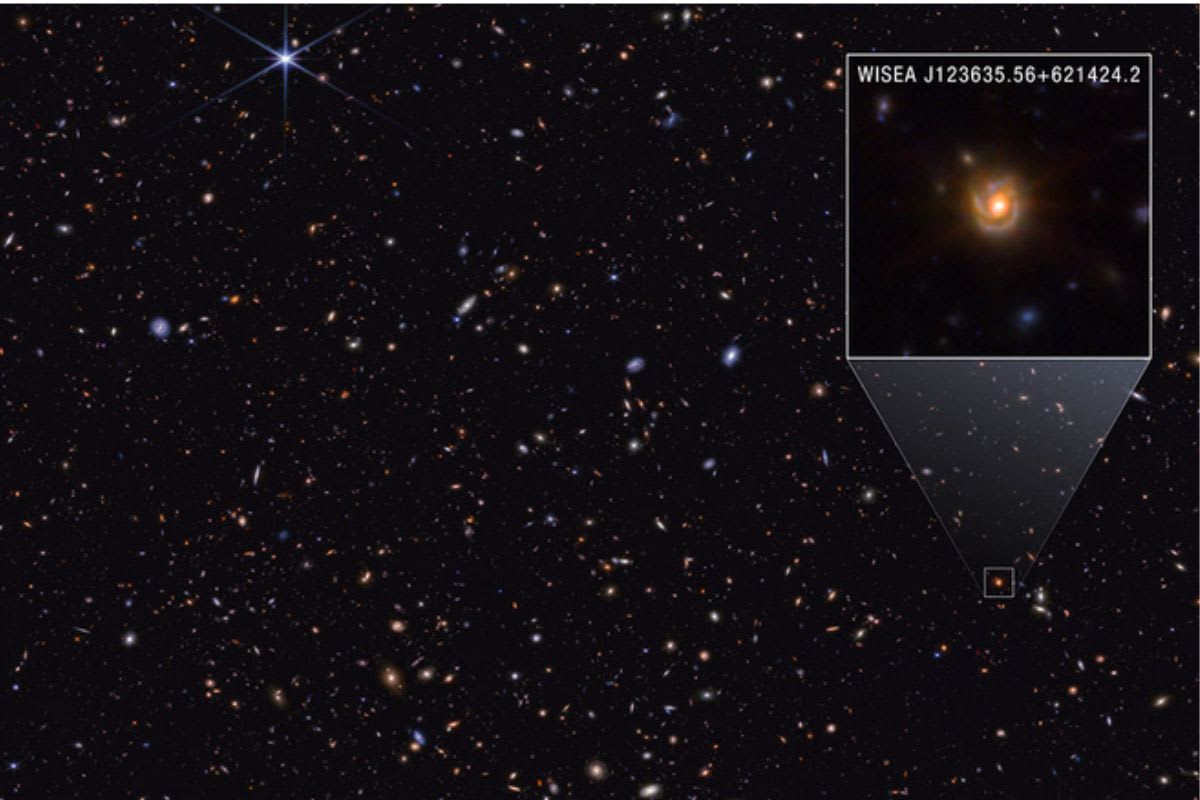
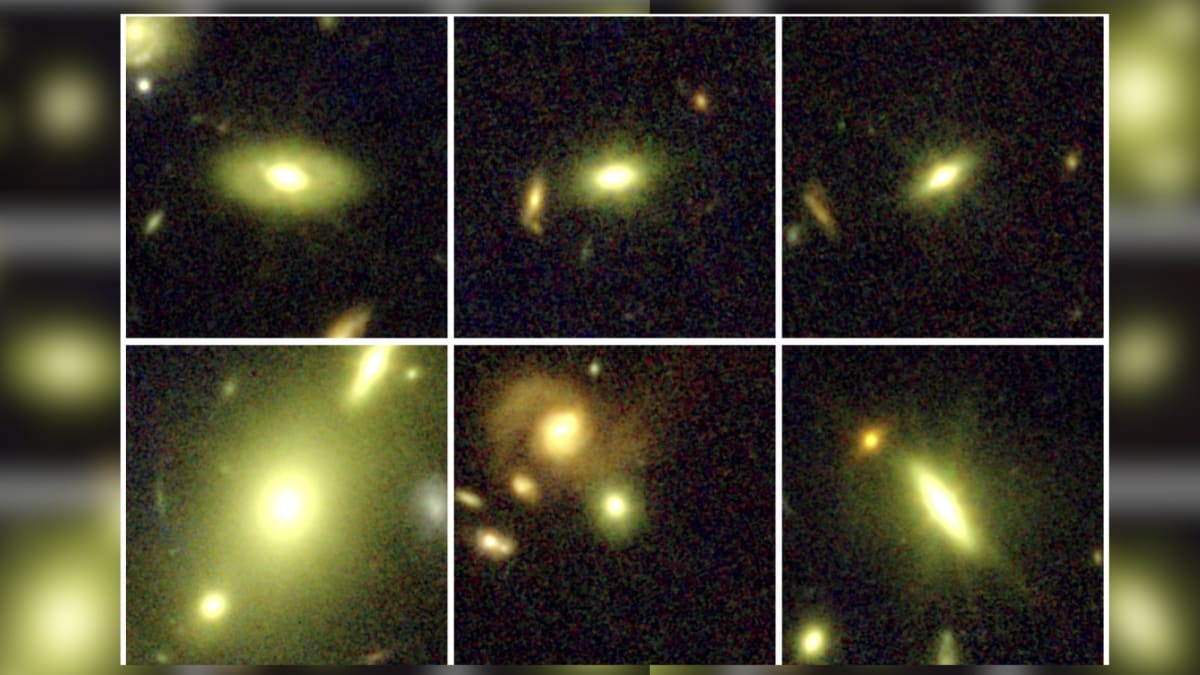
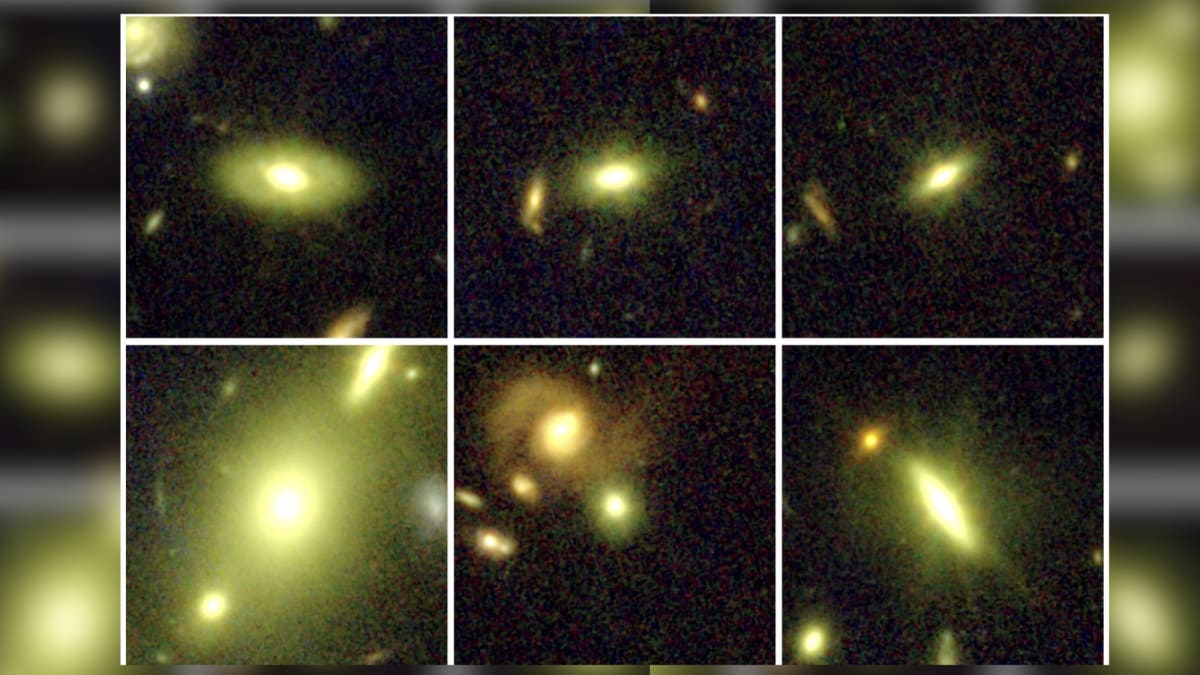
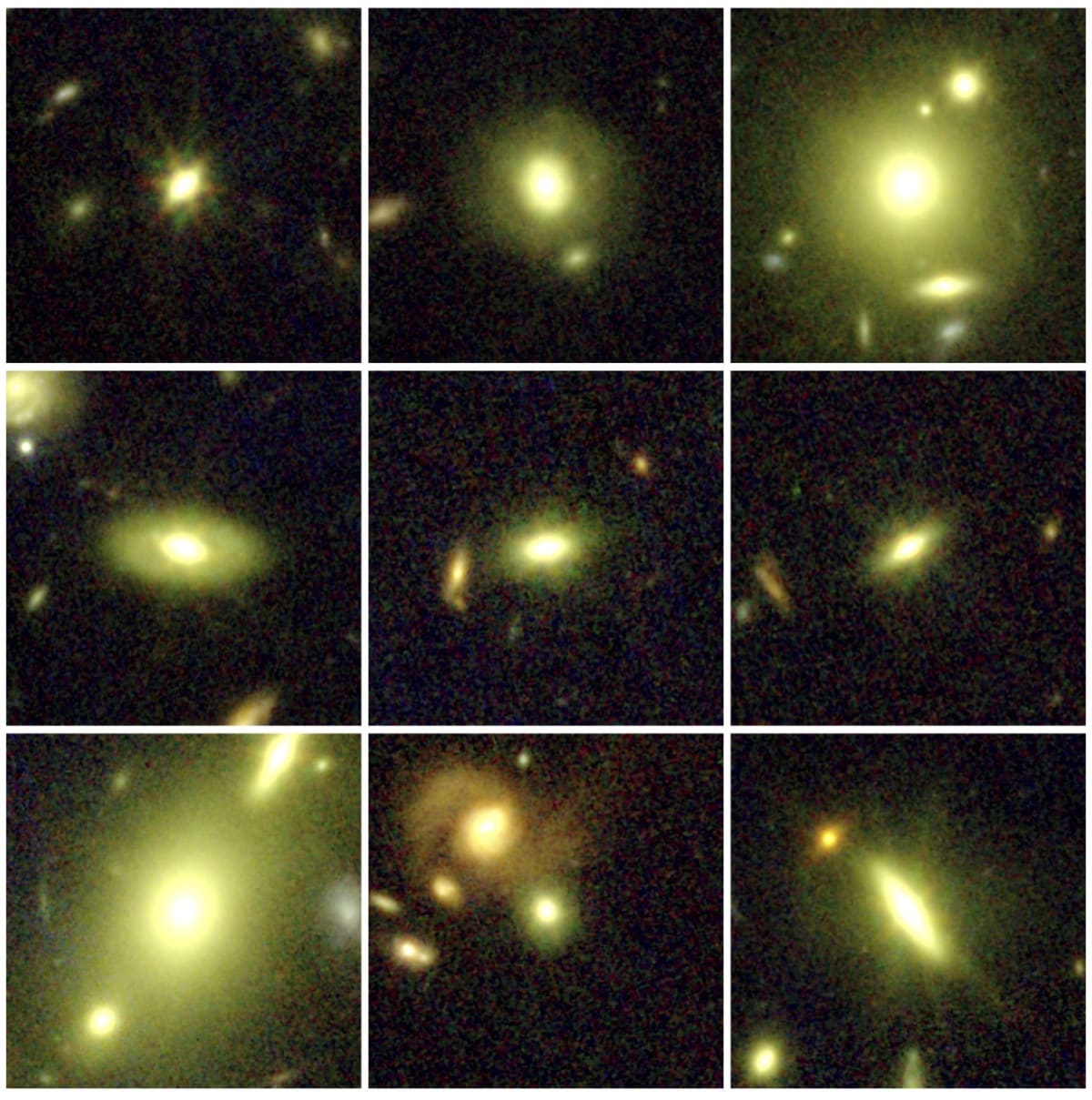
Scientists studying nine ancient galaxies discovered something stunning. Between the brightest stars, there are millions of smaller, fainter stars that previous telescopes simply couldn't detect.
Think of it like looking at a city from far away. You might only see the tallest skyscrapers and assume that's all there is. But get closer with better tools, and suddenly you spot thousands of smaller buildings tucked between the giants.
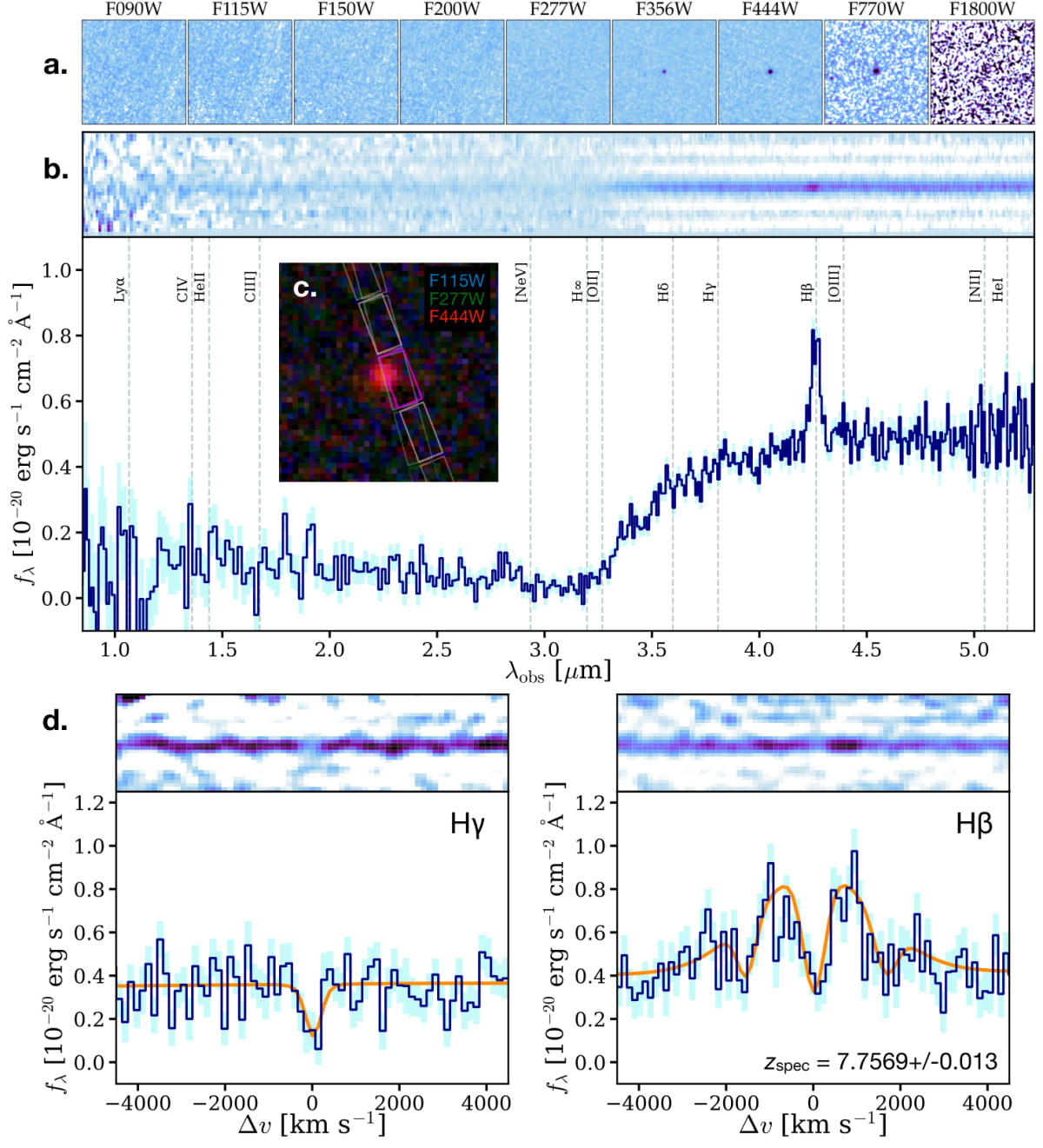
That's exactly what happened here. The Webb telescope's incredible sensitivity revealed populations of smaller stars that had been invisible to us. One galaxy that formed less than 1.5 billion years after the Big Bang turned out to be four times more massive than scientists originally estimated.
"This means that the galaxy as a whole is much more massive than previous estimates suggested," said researcher Chloe Cheng of Leiden University. The discovery came from combining Webb's observations with data from Earth's Very Large Telescope to measure stellar populations in unprecedented detail.
Here's why that matters beyond astronomy textbooks. Scientists had always assumed stars of different sizes formed in the same proportions throughout cosmic history. This discovery proves that assumption wrong.
The Ripple Effect
This finding could reshape how we understand galaxy formation across billions of years. If early galaxies packed more mass into smaller spaces than we thought, our models of how the universe evolved need serious updates.
There's an even more exciting possibility. Since many planets orbit small stars, this discovery suggests far more planets may have formed in the early universe than we previously believed. That means the conditions for life might have existed in more places and earlier times than we imagined.
"Until recently, this type of measurement was simply not possible," team member Martje Slob explained. The Webb telescope didn't just collect more light. It captured spectra of exceptional quality that let researchers distinguish the subtle signatures of smaller stars for the first time.
The team now plans to study more of the universe's earliest galaxies, pushing their investigation even further back in time. Each new observation promises to reveal more hidden cosmic architecture we never knew existed.
The universe just got bigger, more complex, and more full of possibility than we thought.
More Images

Based on reporting by Google: James Webb telescope
This story was written by BrightWire based on verified news reports.
Spread the positivity!
Share this good news with someone who needs it