Webb Telescope Solves 70-Year Mystery of 'Vampire Stars
Scientists finally discovered why some stars stay young and blue for billions of years: they steal gas from companion stars like cosmic vampires. The finding solves a puzzle that has stumped astronomers since the 1950s.
For 70 years, astronomers have been baffled by stars that refuse to age, shining bright and blue despite being nearly as old as the universe itself. Now we finally know their secret: they're vampires.
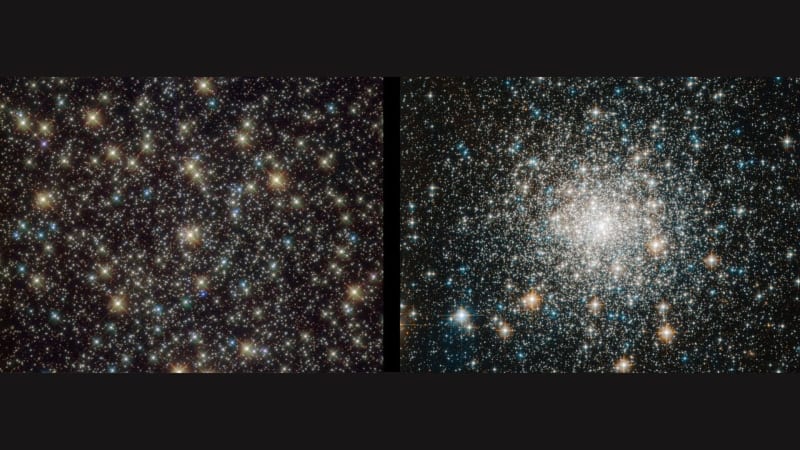
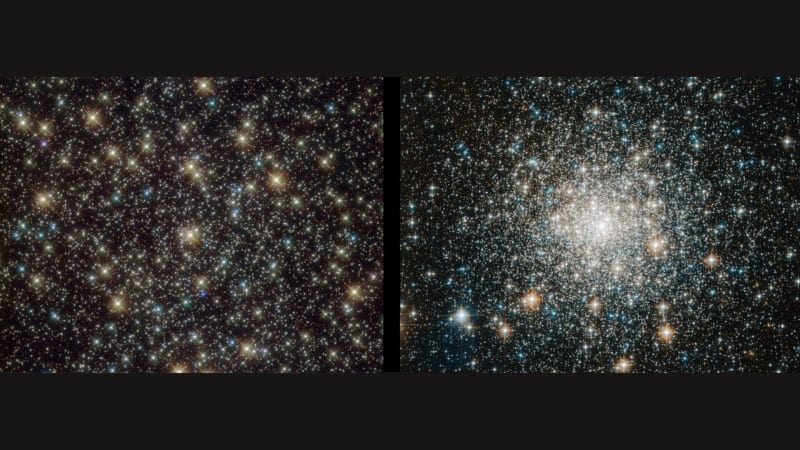
These celestial oddballs, called blue straggler stars, shouldn't exist according to our understanding of how stars age and die. Yet there they are, glowing youthfully in ancient star clusters that formed 12 billion years ago, when the universe was just a cosmic toddler at 1.8 billion years old.
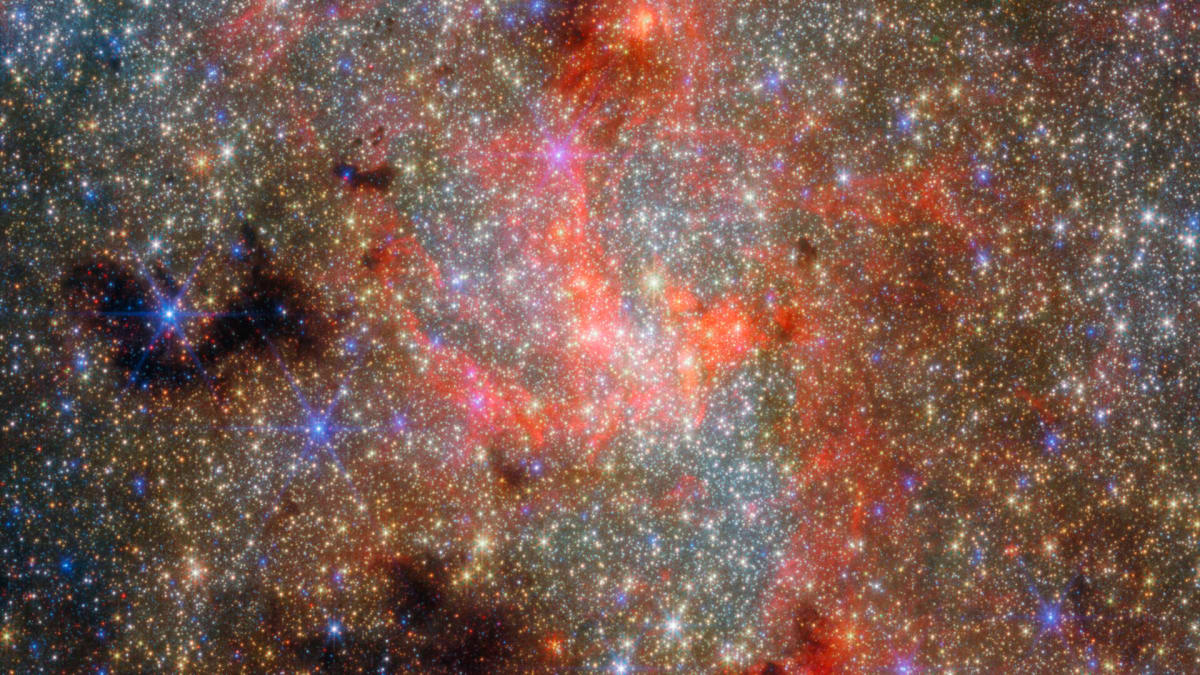
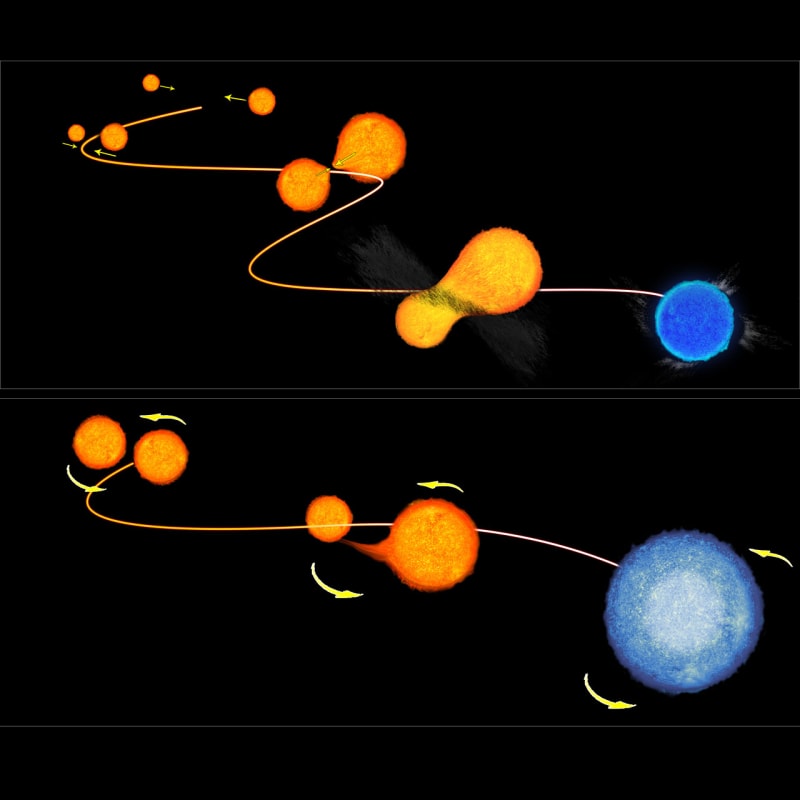
Researchers used the James Webb Space Telescope to study over 3,400 of these mysterious stars across 48 ancient star clusters in the Milky Way. What they found reads like stellar science fiction: the stars stay young by siphoning gas from companion stars in binary systems, feeding on their neighbors to maintain their youthful glow.
The gas injection gives these vampire stars extra fuel to burn hotter and brighter, making them appear blue instead of the dim red color expected from ancient stars. It's like getting a cosmic fountain of youth transfusion that keeps them looking billions of years younger than they actually are.
The discovery revealed another surprise that flips conventional wisdom on its head. Scientists expected these gas-stealing pairs to be common in crowded star clusters where millions of stars pack into spaces just tens of light-years across.
Instead, blue stragglers thrive in calm, sparse neighborhoods. Dense regions turn out to be cosmic demolition derbies where gravitational chaos tears binary pairs apart before vampirism can begin.
The research shows that blue stragglers form 20 times more efficiently in peaceful, low-density environments where fragile stellar partnerships can survive long enough to begin their gas-trading relationship. Crowded star clusters aren't the stellar speed-dating venues astronomers once imagined.
Why This Inspires
This breakthrough does more than solve an old puzzle. It opens a new window into understanding how stars evolve over billions of years in ways we never predicted.
The universe keeps surprising us with creative solutions to survival. Even stars, it turns out, have found ways to extend their lives through cosmic partnerships, proving that collaboration and connection can literally keep the lights on for eons.
More Images

Based on reporting by Live Science
This story was written by BrightWire based on verified news reports.
Spread the positivity!
Share this good news with someone who needs it
%2Fhttps%3A%2F%2Ftf-cmsv2-smithsonianmag-media.s3.amazonaws.com%2Ffiler_public%2F3f%2F55%2F3f5579c8-c4a7-43a5-bb54-6498478792fd%2Fhelix1940__fitmaxwzk3mcw2ntbd.jpg)