Webb Telescope Solves Mystery: Is 29 Cygni b Planet or Star?
Scientists used the James Webb Space Telescope to solve a cosmic puzzle about a mysterious object 15 times heavier than Jupiter. The answer reveals how we can finally tell planets and stars apart, even when they're nearly identical in size.
Astronomers just cracked a cosmic identity crisis that's been stumped scientists for years, and the answer changes how we understand where planets come from.
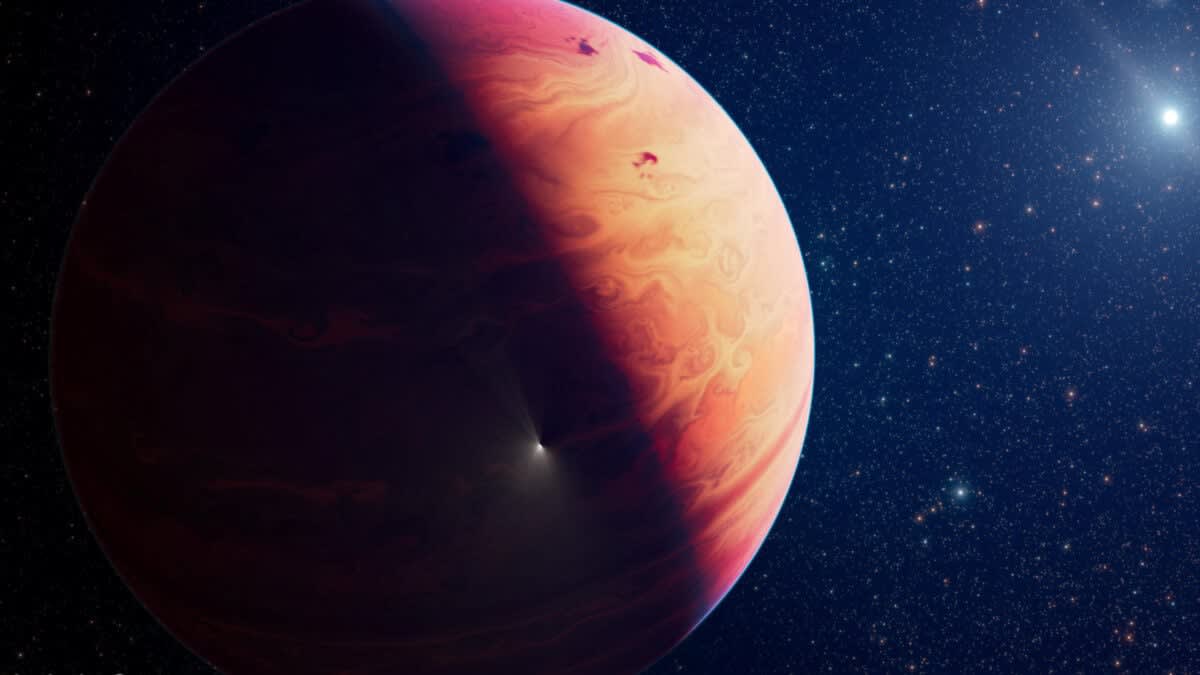
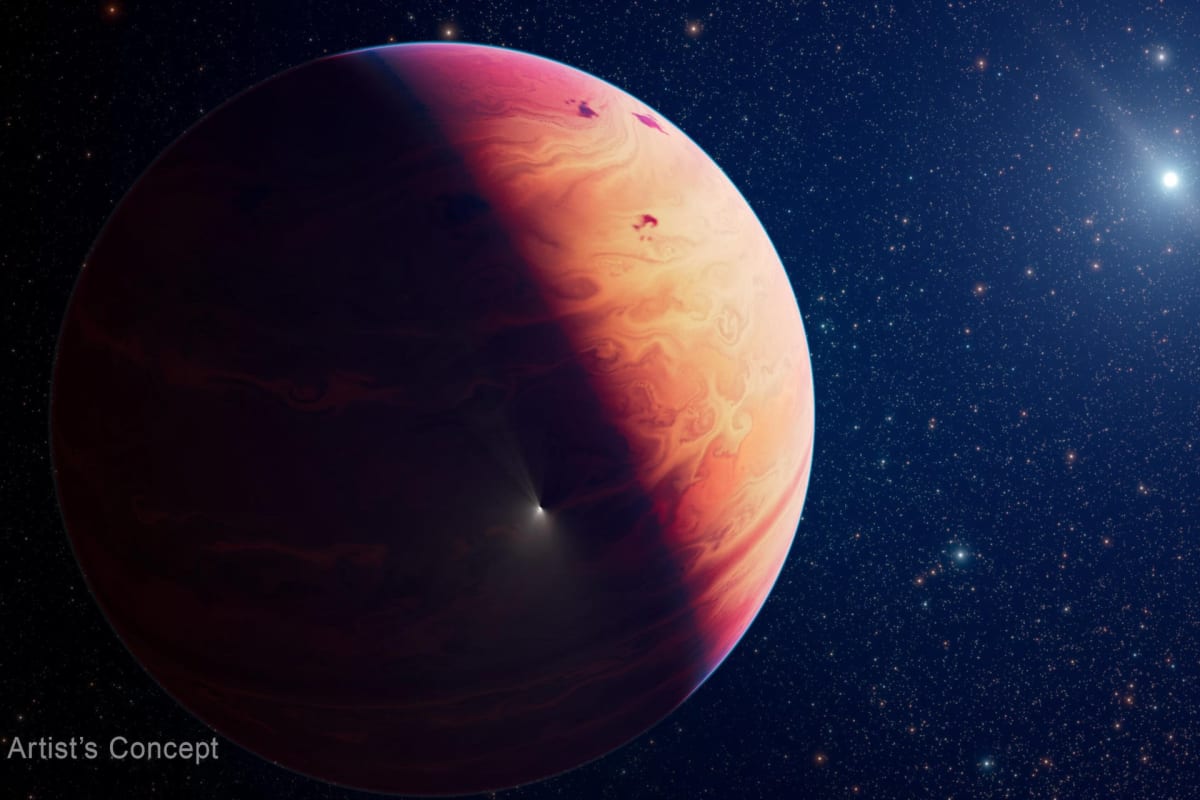
The mystery centered on 29 Cygni b, a massive object floating in space that's 15 times heavier than Jupiter. It sits right on the boundary between planet and star, making it nearly impossible to classify using traditional methods.
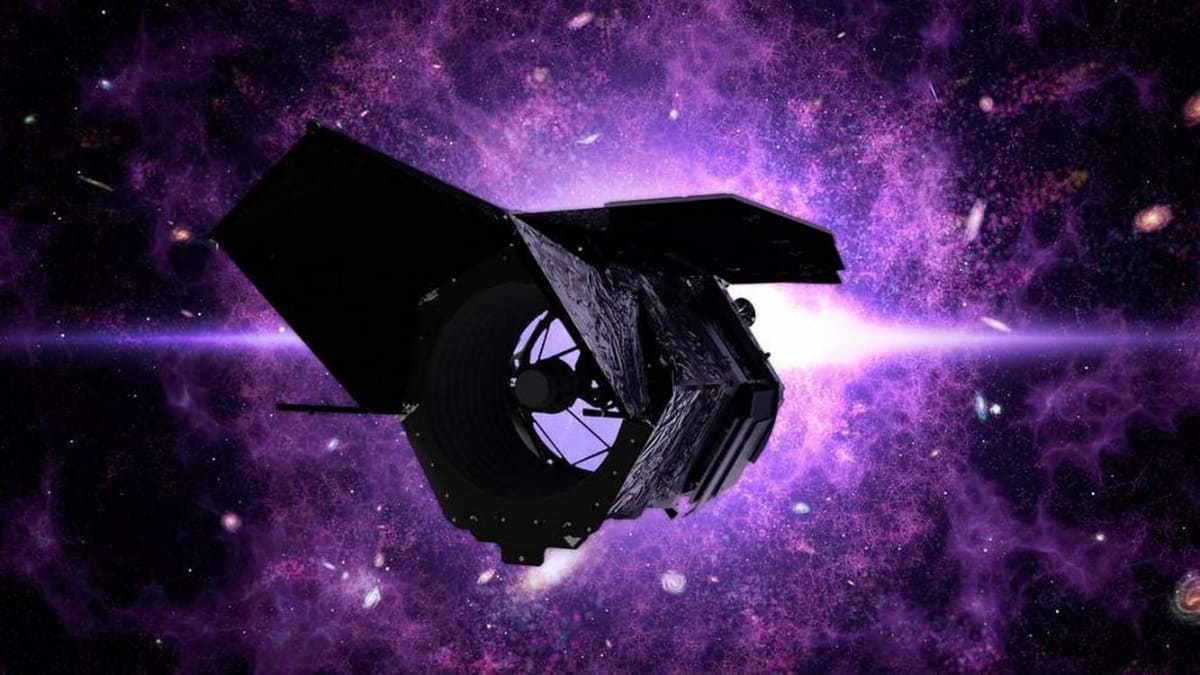
Scientists from Johns Hopkins University turned to the James Webb Space Telescope to solve the puzzle. They pointed Webb's powerful Near-Infrared Camera at the object, searching for chemical clues that would reveal its true identity.
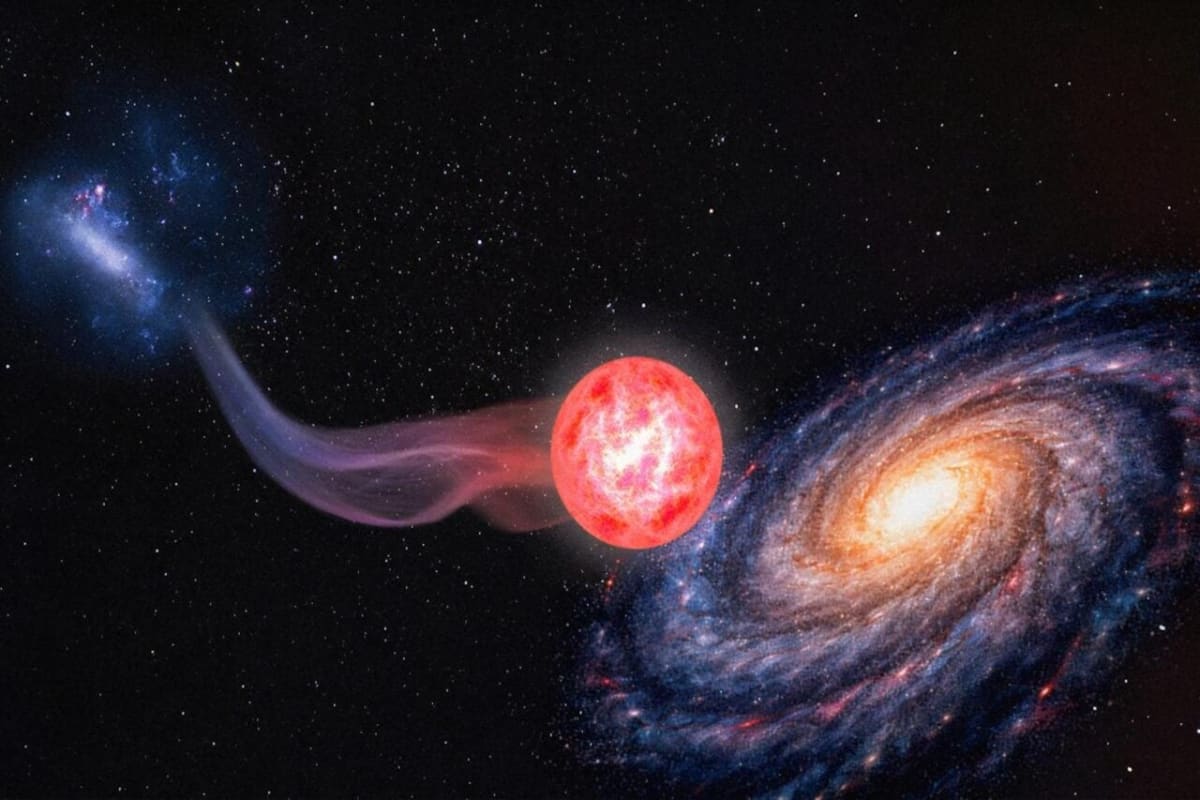
The investigation focused on a key difference between how planets and stars form. Stars are born when huge clouds of gas and dust break apart into smaller pieces that collapse under their own weight. Planets take the opposite approach, starting small and growing bigger as rocks and ice clump together in the disk surrounding a young star.
Lead researcher William Balmer explained the challenge: "In computer models, it's very easy for fragmentation in a disk to run away to much higher masses than 29 Cygni b. This is the lowest mass you could plausibly get. But at the same time, it's about the highest mass you could get from accretion."
Webb's observations revealed something crucial. The object contains more heavy elements like carbon dioxide and carbon monoxide than its host star, suggesting it gobbled up metal-rich materials from a protoplanetary disk over time.
The team used ground-based telescopes to check one more detail: how the object's orbit lines up with its star's spin. The results matched perfectly with what we see in our own solar system, where planets orbit in sync with the sun's rotation.
Why This Inspires
This discovery represents more than just solving one cosmic riddle. The Webb telescope is giving us tools to answer questions that seemed impossible just a few years ago.
The team identified three more mysterious objects to investigate, each weighing between one and 15 times Jupiter's mass. Each new answer will help scientists understand the invisible line between planet formation and star birth.
The research shows how far our technology has advanced. We can now peer across billions of miles of space and determine not just what something is, but exactly how it came to exist.
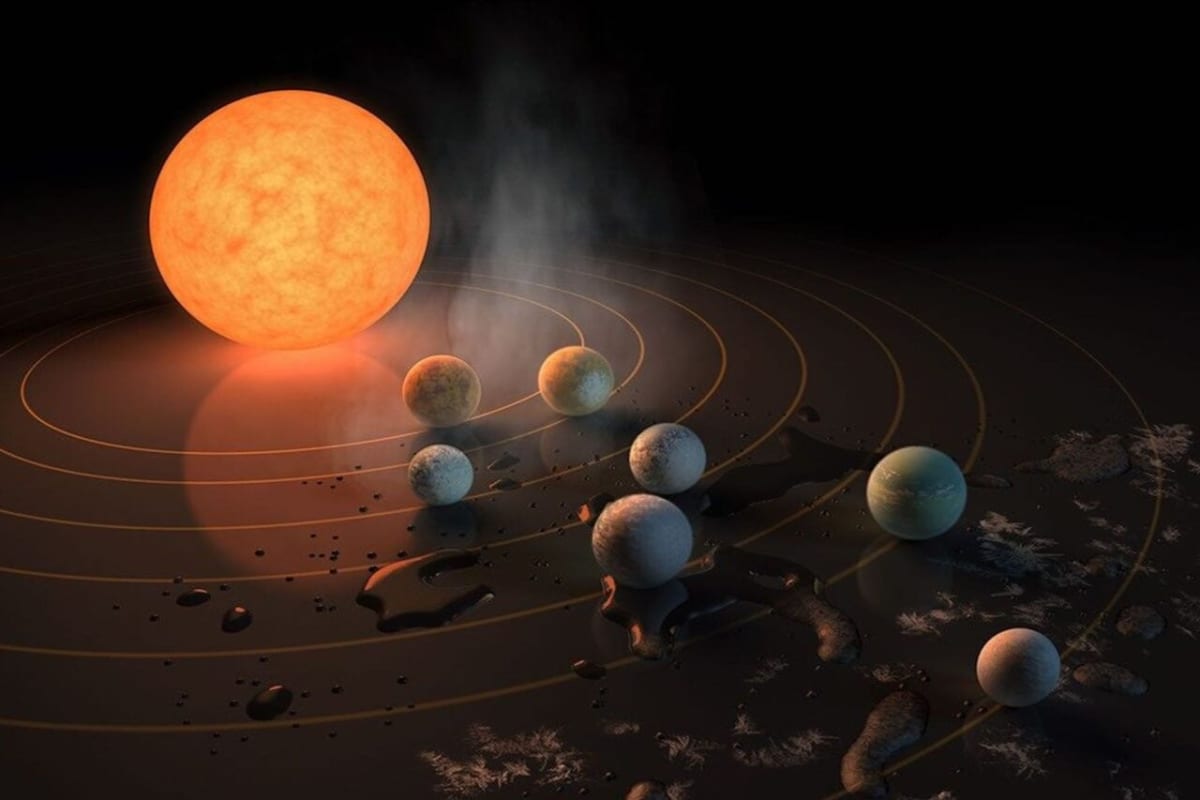
29 Cygni b orbits its star at roughly the same distance as Uranus orbits our sun, about 1.5 billion miles away. Webb could spot chemical signatures from that incredible distance and piece together the object's entire life story.
The verdict? It's definitely a planet. The evidence shows 29 Cygni b formed through rapid accretion of metal-rich material in a protoplanetary disk, following the same bottom-up process that created Earth, Jupiter, and every other planet in our solar system.
As the research team continues studying similar boundary objects, each discovery will refine our understanding of how planetary systems form and what makes a planet a planet.
More Images

Based on reporting by Google: James Webb telescope
This story was written by BrightWire based on verified news reports.
Spread the positivity!
Share this good news with someone who needs it