Webb Telescope Solves Mystery of 'Little Red Dot' Galaxies
NASA's James Webb Space Telescope discovered a unique "stingray" galaxy that finally explains one of astronomy's strangest puzzles. Scientists believe these mysterious cosmic objects aren't a new type of galaxy at all, but a brief evolutionary phase every galaxy goes through.
A strange galaxy spotted by NASA's most powerful space telescope is rewriting what scientists thought they knew about the early universe.
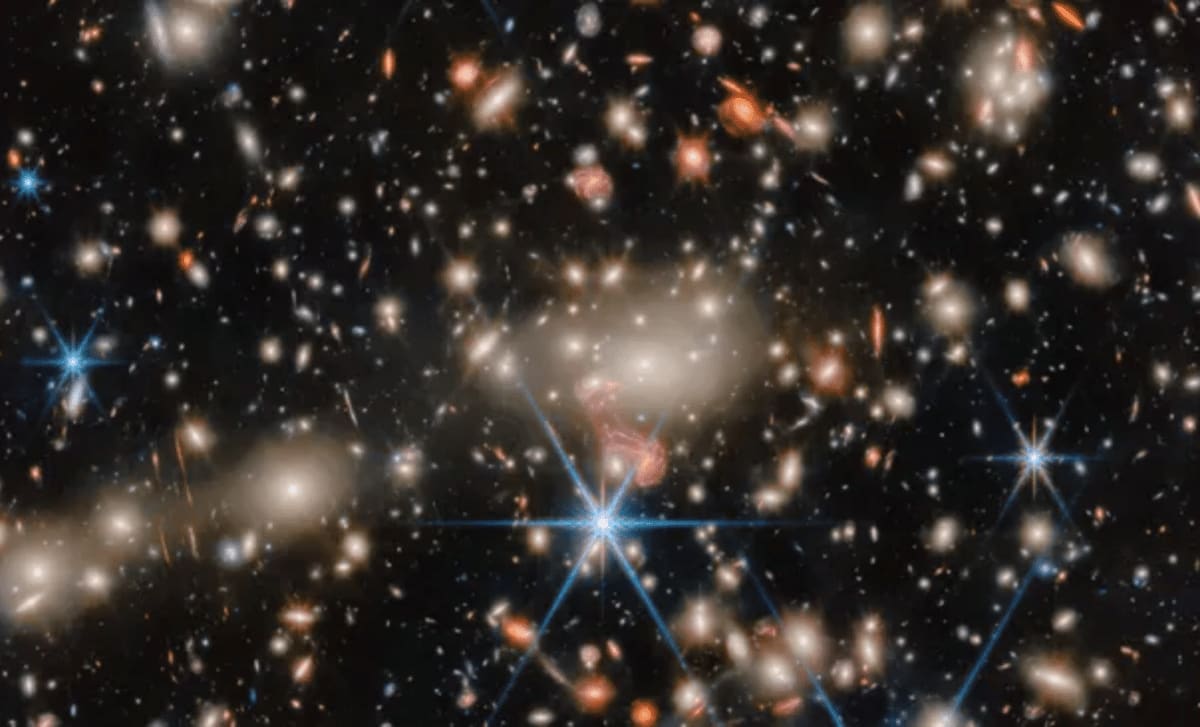
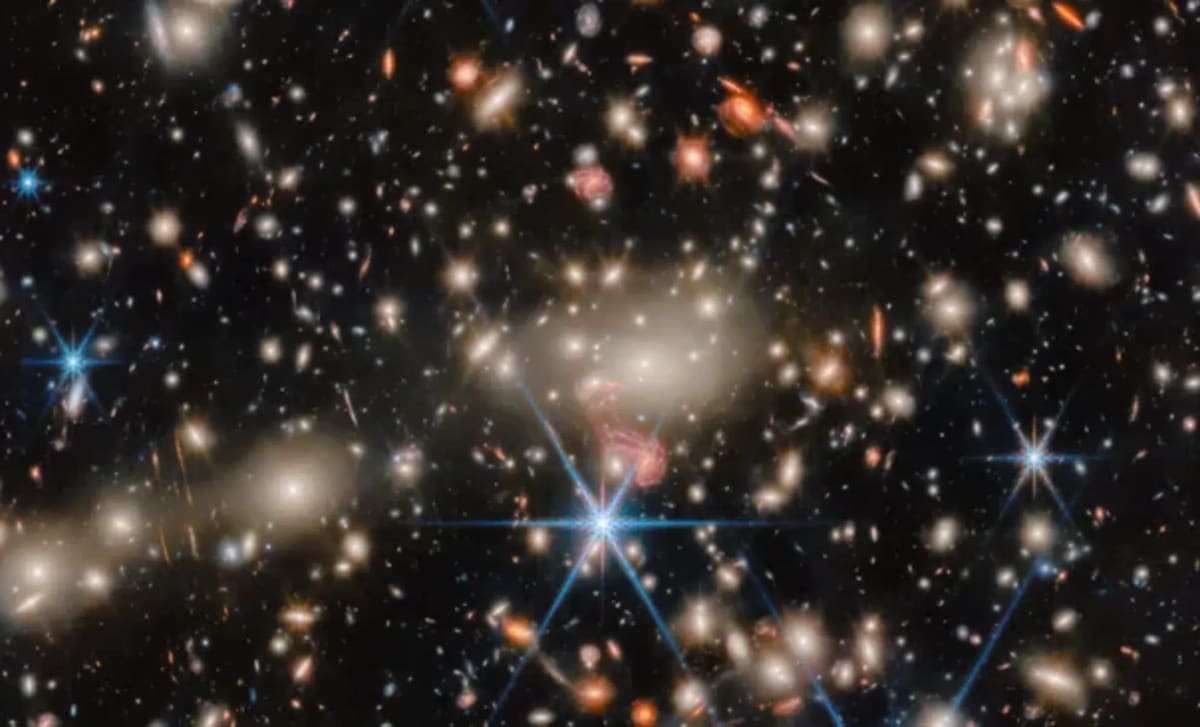
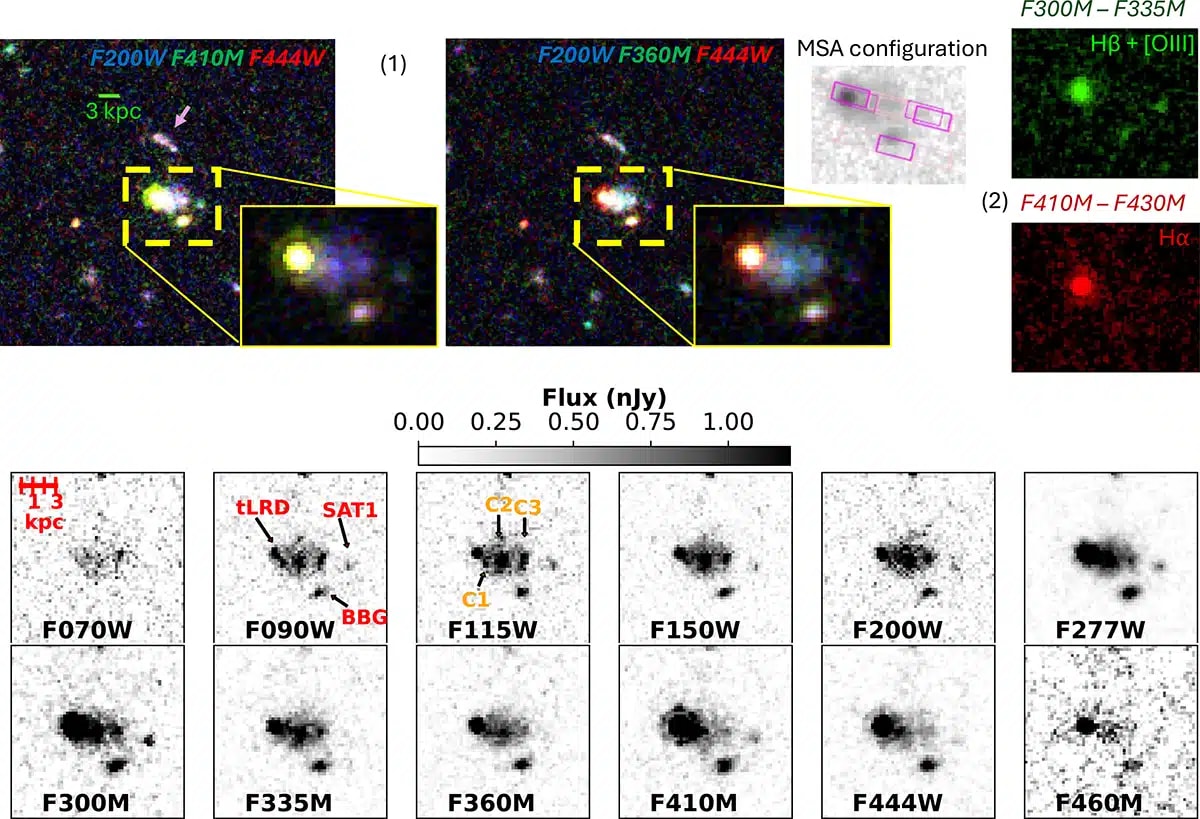
The James Webb Space Telescope identified an unusual "stingray" shaped galaxy that appears to be caught mid-transformation. This discovery could finally solve the mystery of "little red dots," small bright objects that astronomers have been scratching their heads over since Webb first spotted them.
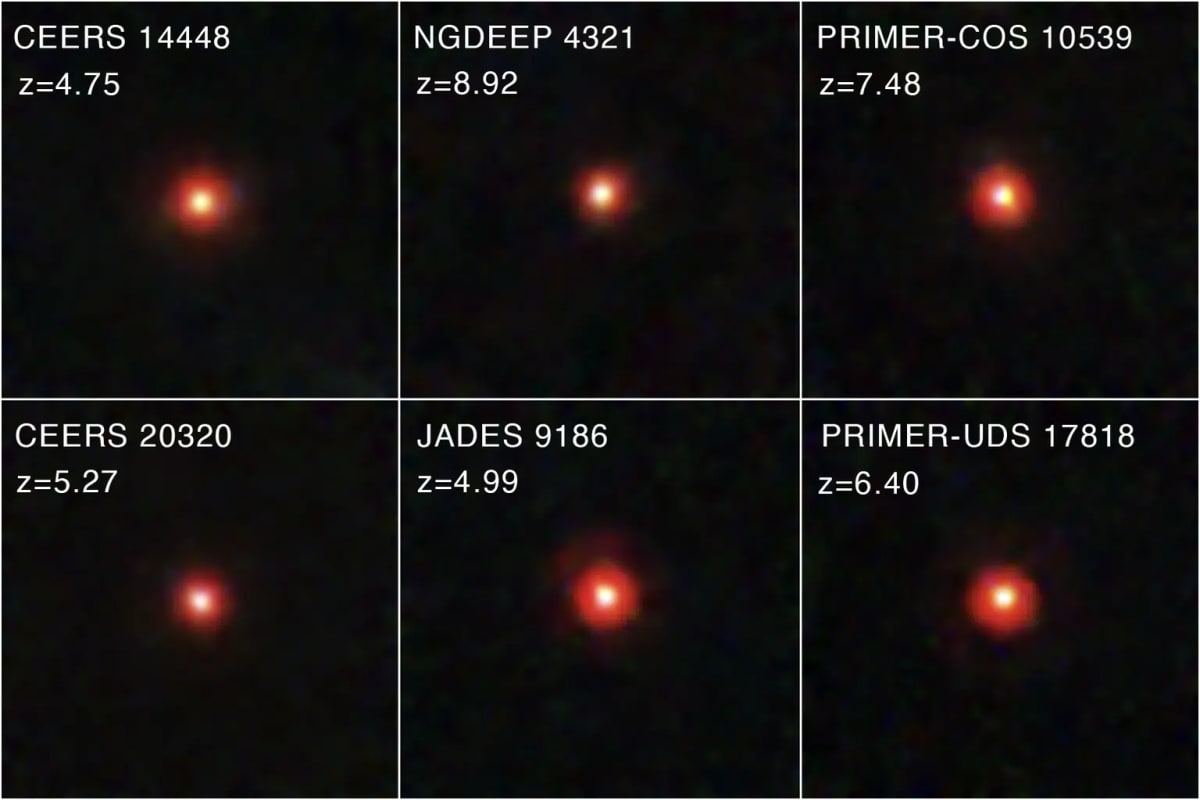
These tiny red galaxies are unusually bright for their size and packed with rapidly growing black holes. Scientists couldn't figure out if they were a completely new type of galaxy or something else entirely.
The newly discovered galaxy doesn't fit into any existing category. Instead, it blends features of both little red dots and active galactic nuclei, suggesting it's transitioning between states rather than stuck as one type.
"This galaxy is strategically in between the little red dot population and compact Type I AGN," said lead researcher Mérida. The team can't yet tell if the galaxy is entering or exiting the little red dot phase, but that's exactly what makes it so valuable.
The galaxy is interacting with a nearby companion, and those gravitational interactions are reshaping it in real time. These cosmic collisions often trigger bursts of star formation and feed the central black hole, accelerating growth beyond what isolated galaxies normally experience.
Devesh Nandal, a researcher at the Harvard and Smithsonian Center for Astrophysics not involved in the study, confirmed the findings look solid. "The paper supports the idea that at least some little red dots are evolutionary phases rather than a wholly distinct class," he told Live Science.
Why This Inspires
This breakthrough shows how one puzzle piece can illuminate an entire cosmic mystery. For years, astronomers wondered if the early universe followed completely different rules than what we see today.
Now it appears these strange objects aren't alien at all. They're simply young galaxies going through an awkward phase, much like teenagers experiencing rapid growth spurts.
The discovery reveals that the universe's story is more understandable than we feared. Galaxies evolve through predictable stages, even if those stages are brief and dramatic.
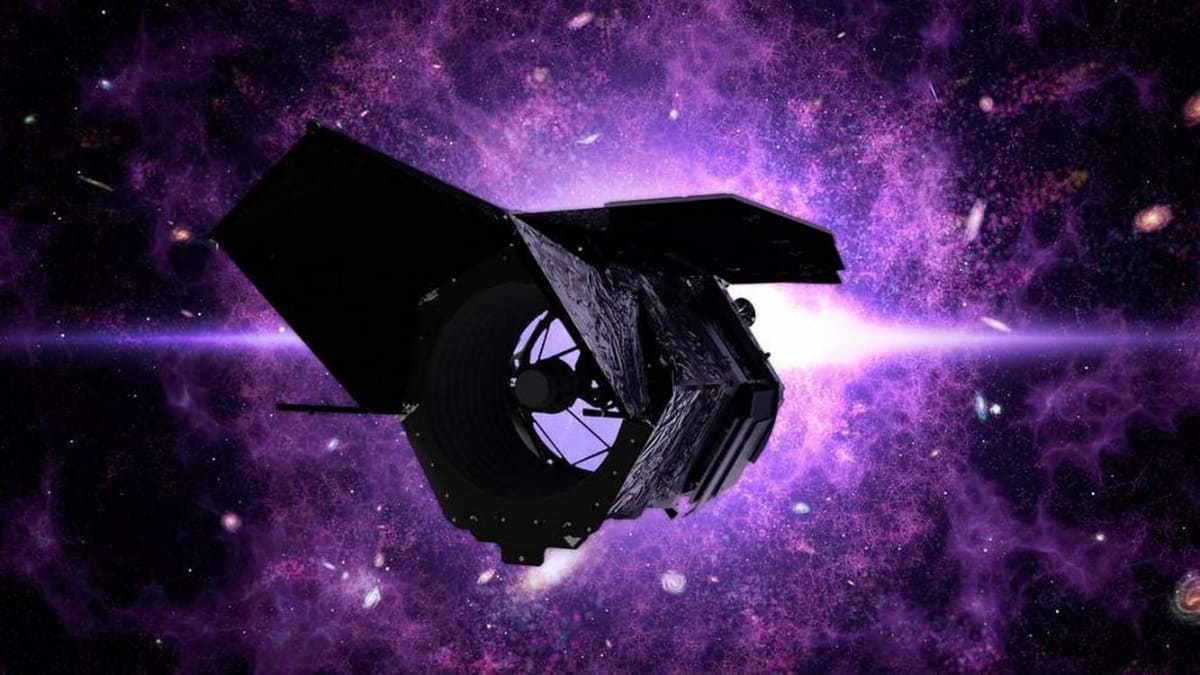
The James Webb Space Telescope launched just two years ago and is already transforming our understanding of how galaxies form and grow. As it identifies more transitional galaxies like this stingray system, astronomers expect to build a complete timeline of cosmic evolution from the universe's earliest days to now.
Some mysteries remain unsolved, particularly about black hole mass and growth rates that still challenge existing theories. But scientists now have a clear path forward for investigation.
What once seemed inexplicable now looks like a natural part of growing up, at least for galaxies navigating their formative billions of years.
More Images

Based on reporting by Google News - Science
This story was written by BrightWire based on verified news reports.
Spread the positivity!
Share this good news with someone who needs it