Webb Telescope Spots Galaxy From 300M Years After Big Bang
The James Webb Space Telescope just found the most distant galaxy ever detected, shining from just 300 million years after the universe began. Scientists are also uncovering secrets about the first black holes and mapping dark matter we've never seen before.
Imagine looking back in time nearly to the very beginning of everything. That's exactly what the James Webb Space Telescope just did.
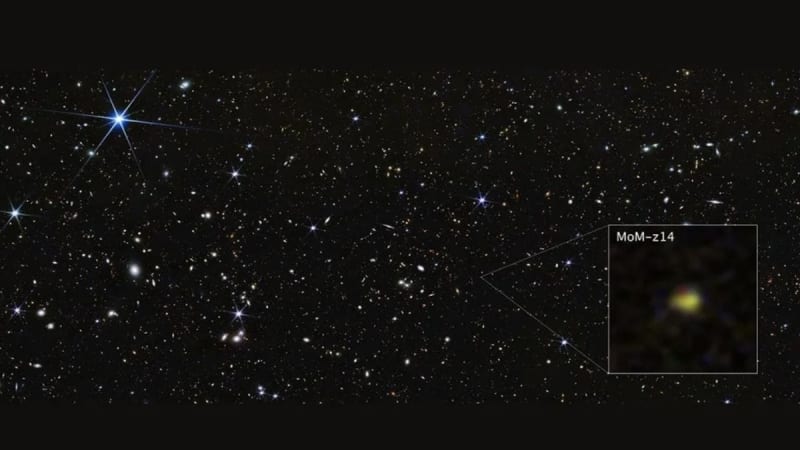
Scientists announced this week that Webb discovered the most distant galaxy ever detected, formed only 300 million years after the Big Bang. That means we're seeing light that traveled over 13 billion years to reach us, offering a window into the universe when it was still in its cosmic infancy.
The discovery came as part of Webb's ongoing mission to peer deeper into space than ever before. The telescope's powerful infrared instruments can see through cosmic dust and detect the faint light from these ancient galaxies, something previous telescopes simply couldn't do.
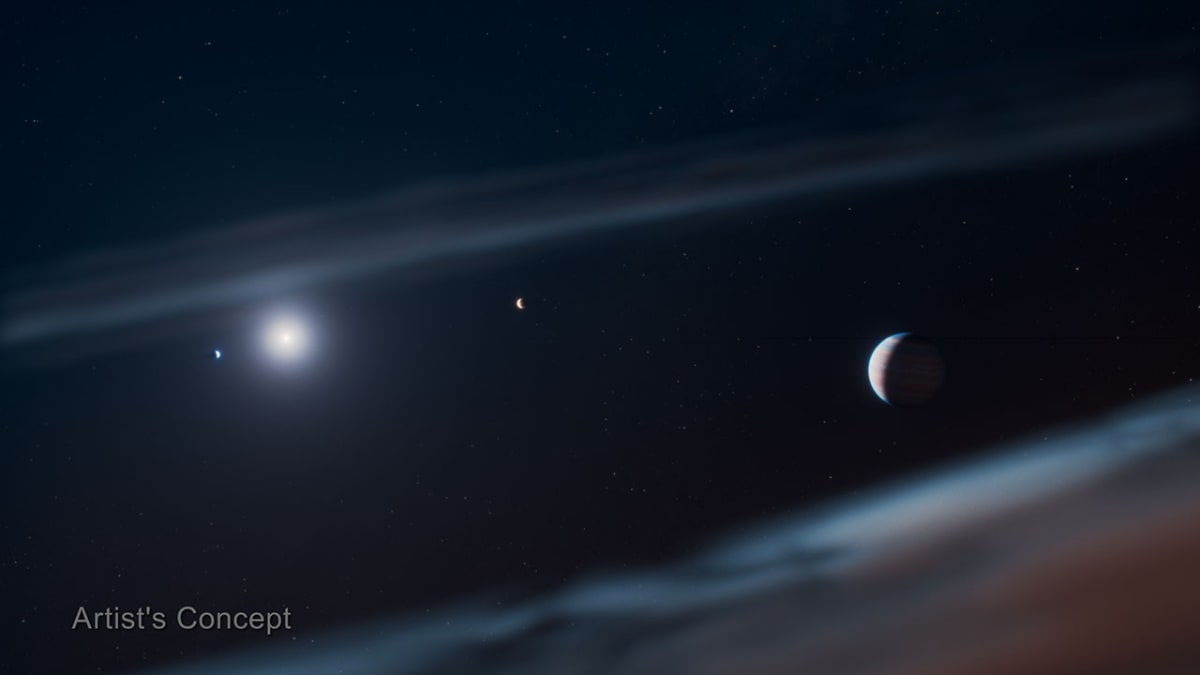
But that's not all Webb has been busy with lately. On February 1st, the telescope helped astronomers understand how the universe's first supermassive black holes formed, solving a mystery that has puzzled scientists for decades. These massive objects appeared surprisingly early in cosmic history, and Webb's observations are finally showing us how.
The telescope is also mapping dark matter, the invisible substance that makes up most of the universe's mass. By watching how light bends around this hidden matter, astronomers are creating the most detailed maps yet of what we cannot see but know is there.
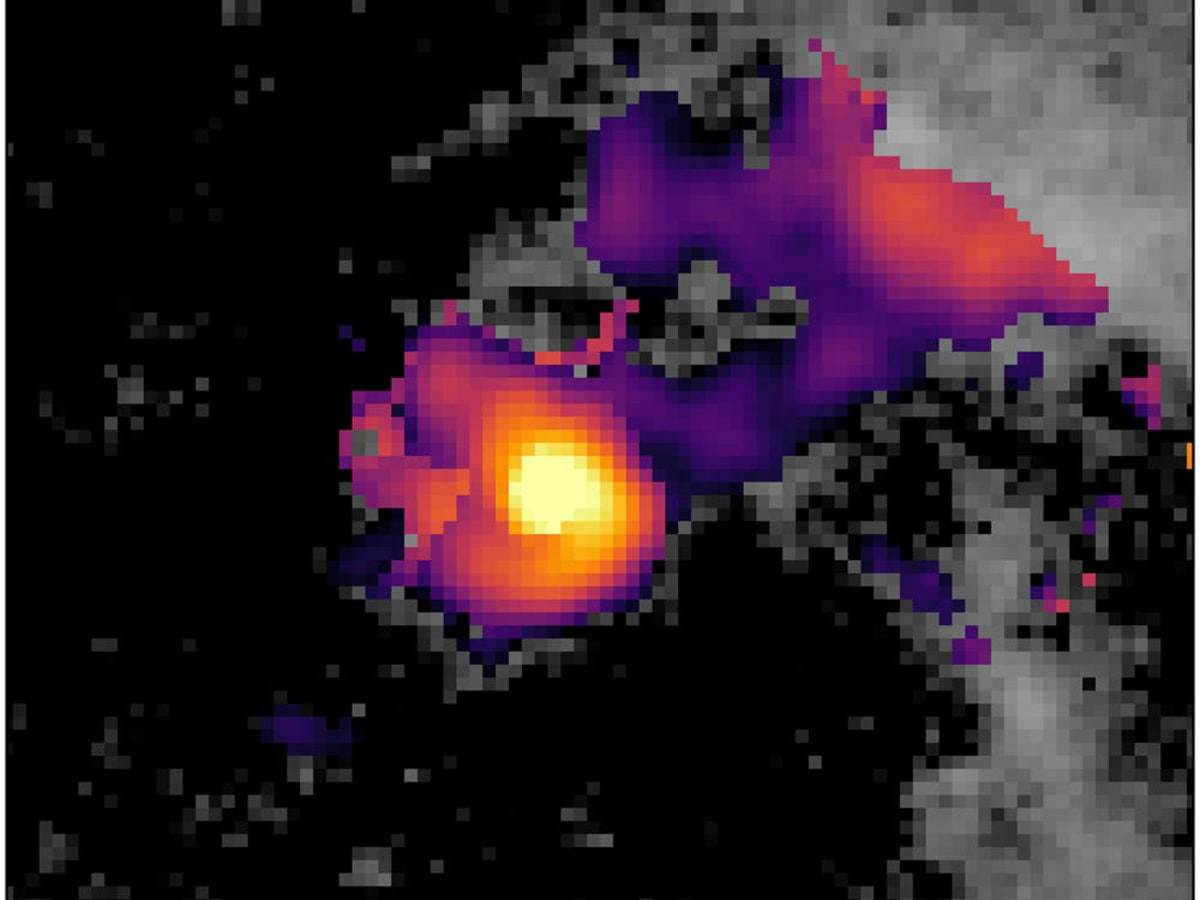
Earlier in January, Webb captured a breathtaking new image of the Helix Nebula, often called the "Eye of God." The infrared view revealed details never seen before in this dying star's colorful remains. Days later, scientists used Webb to watch a young star literally baking crystals that will someday become part of new planets.
The Bright Side
Every Webb discovery reminds us that we're living in a golden age of space exploration. These aren't just pretty pictures or abstract science. Understanding how galaxies, black holes, and planets form helps us understand our own cosmic story and where we came from.
The telescope launched just over four years ago, and it's already revolutionizing our understanding of the universe. Scientists expect Webb to keep making groundbreaking discoveries for at least another decade, with each finding building on the last.
We're not just looking at distant galaxies; we're watching the universe grow up, one discovery at a time.
More Images

Based on reporting by Google: James Webb telescope
This story was written by BrightWire based on verified news reports.
Spread the positivity!
Share this good news with someone who needs it