Weight Loss Drugs May Reduce Impulsive Violent Behavior
Popular diabetes and weight loss medications might help people resist violent impulses, according to new research from Rutgers University. The surprising finding suggests these widely used drugs could affect decision-making beyond appetite control.
Scientists just discovered that Ozempic and similar medications might do something unexpected: help people pause before acting on violent impulses.
Researchers at Rutgers University studied over 7,500 adults and found that people currently taking GLP-1 medications showed a dramatically weaker connection between impulsive feelings and violent actions. The link was 62% weaker compared to people who had stopped taking the drugs.
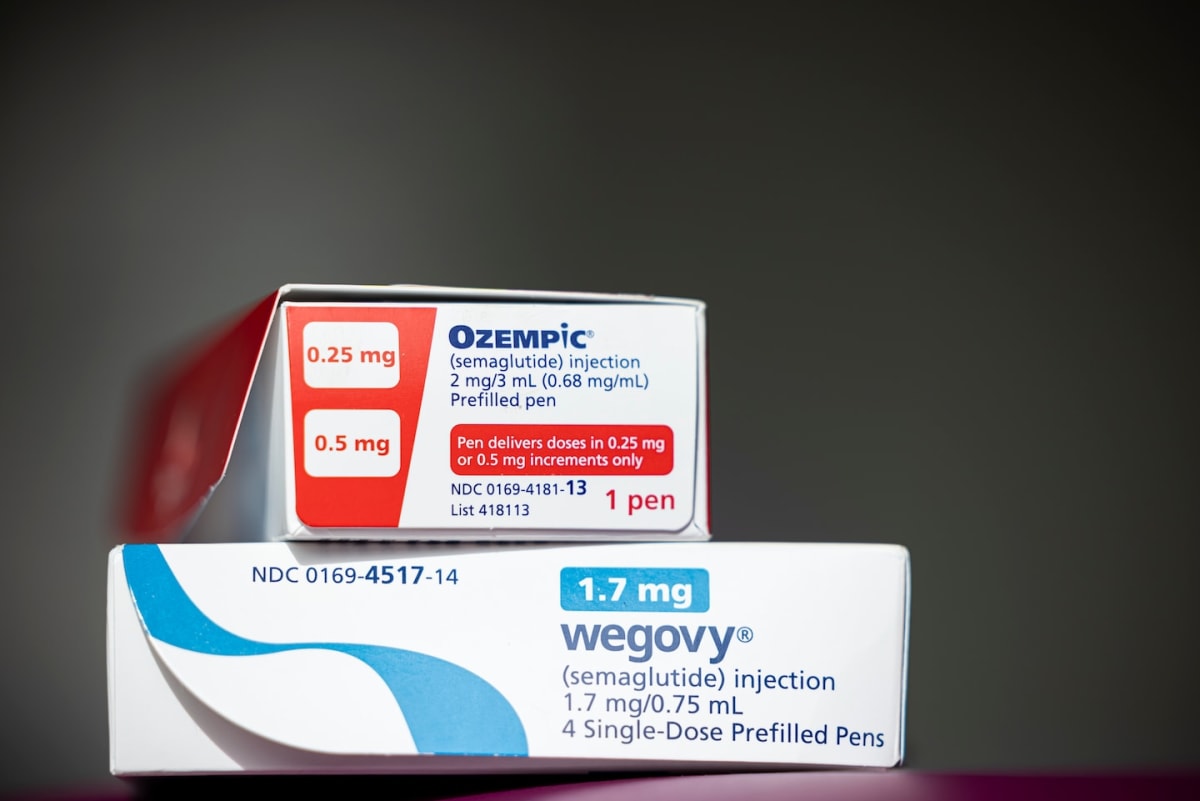
The study, published in Criminology, focused on 821 people who had used medications like Ozempic or Wegovy. These drugs are already popular for managing diabetes and helping people lose weight, but this research hints at something deeper happening in the brain.
Lead researcher Daniel Semenza noticed the same pattern with alcohol use. People on these medications showed 52% less connection between drinking and violent behavior, though those results varied more in additional testing.
"Our findings are consistent with these medications working like cognitive behavioral therapy, weakening the path from impulse to action rather than eliminating impulsivity itself," explained Christopher Thomas, who co-authored the study. The drugs don't seem to make people less impulsive overall but might help them stop before acting on those impulses.
The researchers measured violent behavior through self-reported actions including fighting, assault, and robbery. They compared current users with former users to see how the medication affected the relationship between impulses and actions.
The Bright Side
This discovery arrives at a crucial time. GLP-1 medications are becoming increasingly common across America, with millions of people using them for weight management and diabetes care. Understanding all their effects matters for public health and safety.
The research team emphasizes they haven't proven the drugs directly prevent violence. Their study shows an association, not a cause and effect relationship, because it captured a single moment in time rather than tracking people over months or years.
Future studies will need to follow people longer and test more controlled conditions. Scientists want to understand exactly how these medications might influence the brain pathways between feeling an impulse and deciding whether to act on it.
The potential implications reach far beyond individual health. If future research confirms these findings, it could open new conversations about behavioral health treatments and violence prevention strategies.
For now, the discovery adds to growing evidence that GLP-1 medications affect the brain in ways scientists are still uncovering, from reducing depression and anxiety to potentially helping people make better split-second decisions.
Based on reporting by Health Daily
This story was written by BrightWire based on verified news reports.
Spread the positivity!
Share this good news with someone who needs it