Weight-Loss Hormone Protects Liver Without Shedding Pounds
Scientists discovered that GDF15, a hormone known for weight loss, can actually shield the liver from dangerous inflammation through a completely separate pathway. This finding could help millions living with advanced fatty liver disease who still face inflammation even after losing weight.
A hormone famous for helping people lose weight just revealed a secret second superpower: protecting the liver from the kind of inflammation that leads to serious disease.
Scientists at McMaster University discovered that GDF15 doesn't just curb appetite. It activates a hidden brain-to-liver pathway that shields the organ from damage, even when body weight stays the same.
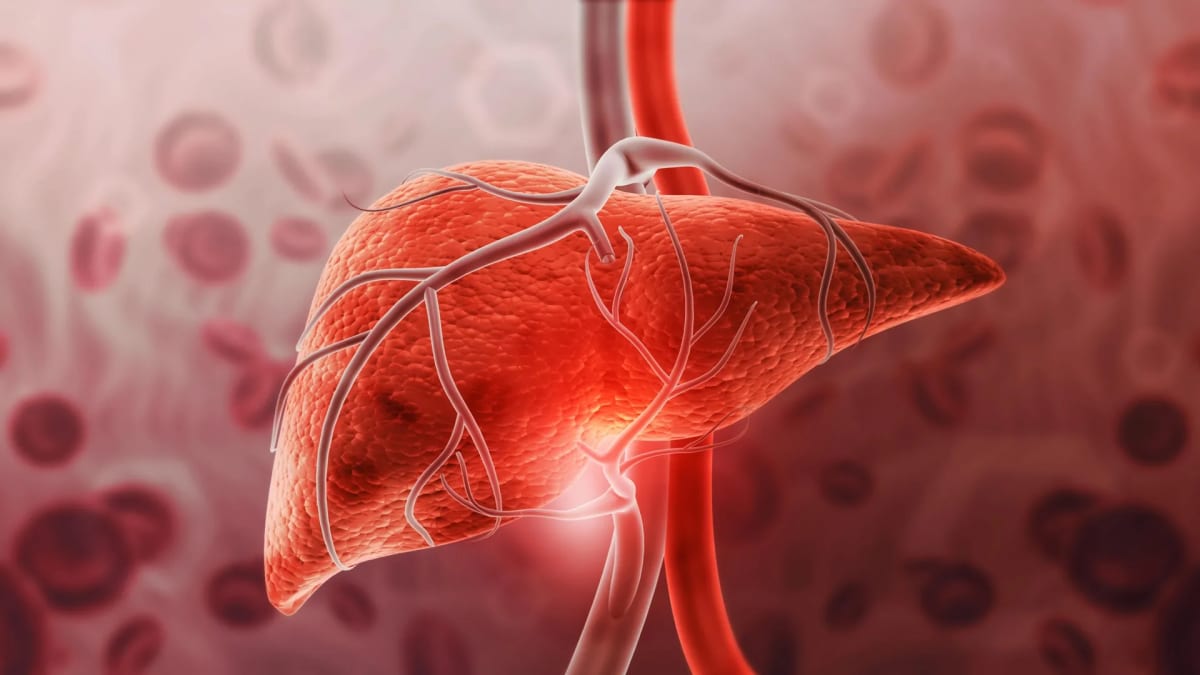
The finding, published in Cell Metabolism this month, could change treatment for millions of people worldwide living with MASH, an advanced form of fatty liver disease. This condition can spiral into cirrhosis, liver cancer, and liver failure if left unchecked.
Here's what makes this breakthrough special: current weight loss medications help many patients, but liver inflammation often sticks around even after significant weight loss. Now researchers understand why GDF15 might work differently.
The hormone sends signals from the brain through the nervous system, triggering the release of glucocorticoids. These natural steroid hormones calm the immune system's activity in the liver, reducing both inflammation and the dangerous scar tissue buildup called fibrosis.
"GDF15 does much more than regulate appetite and body weight," says Gregory Steinberg, professor at McMaster's Department of Medicine and senior author of the study. "We discovered that it activates a natural brain-to-liver signaling pathway that helps suppress liver inflammation and reduce fibrosis."
The research team used advanced spatial technology to watch this process unfold in mouse models designed to mirror human MASH. They saw GDF15 reprogram liver cells, shifting immune cells into a more protective, less aggressive state.
What surprised researchers most? These liver benefits appeared regardless of changes in food intake, body weight, or liver fat levels. The hormone was protecting the organ through a completely independent mechanism.
Why This Inspires
This discovery represents hope for a stubborn medical problem. Fatty liver disease affects millions, and inflammation remains one of the hardest parts to treat.
The research builds on earlier work by the same team showing GDF15 helps maintain calorie burning during weight loss. Together, these studies paint a picture of a remarkably versatile hormone that protects the body in multiple ways.
Future treatments could potentially combine weight loss approaches with therapies targeting inflammation directly. Instead of choosing one strategy, doctors might soon use both, following the body's own playbook for liver protection.
The research received funding from Canadian scientific organizations, with Novo Nordisk providing support and the GDF15 hormone used in experiments. The findings open doors for developing treatments that work with the body's natural defense systems rather than against them.
For people living with MASH, this research offers something precious: a new pathway forward when current options fall short.
Based on reporting by Science Daily
This story was written by BrightWire based on verified news reports.
Spread the positivity!
Share this good news with someone who needs it