Wellbeing Economy Could Prevent Global Collapse by 2040
New research shows we have just 5-10 years to shift from endless growth to sustainable wellbeing, or face steep declines in quality of life. The good news: we're not too far off track to maintain current prosperity through the century.
A sustainability researcher has discovered something remarkable: we're living in a moment where the choices we make right now will determine global wellbeing for the rest of the century.
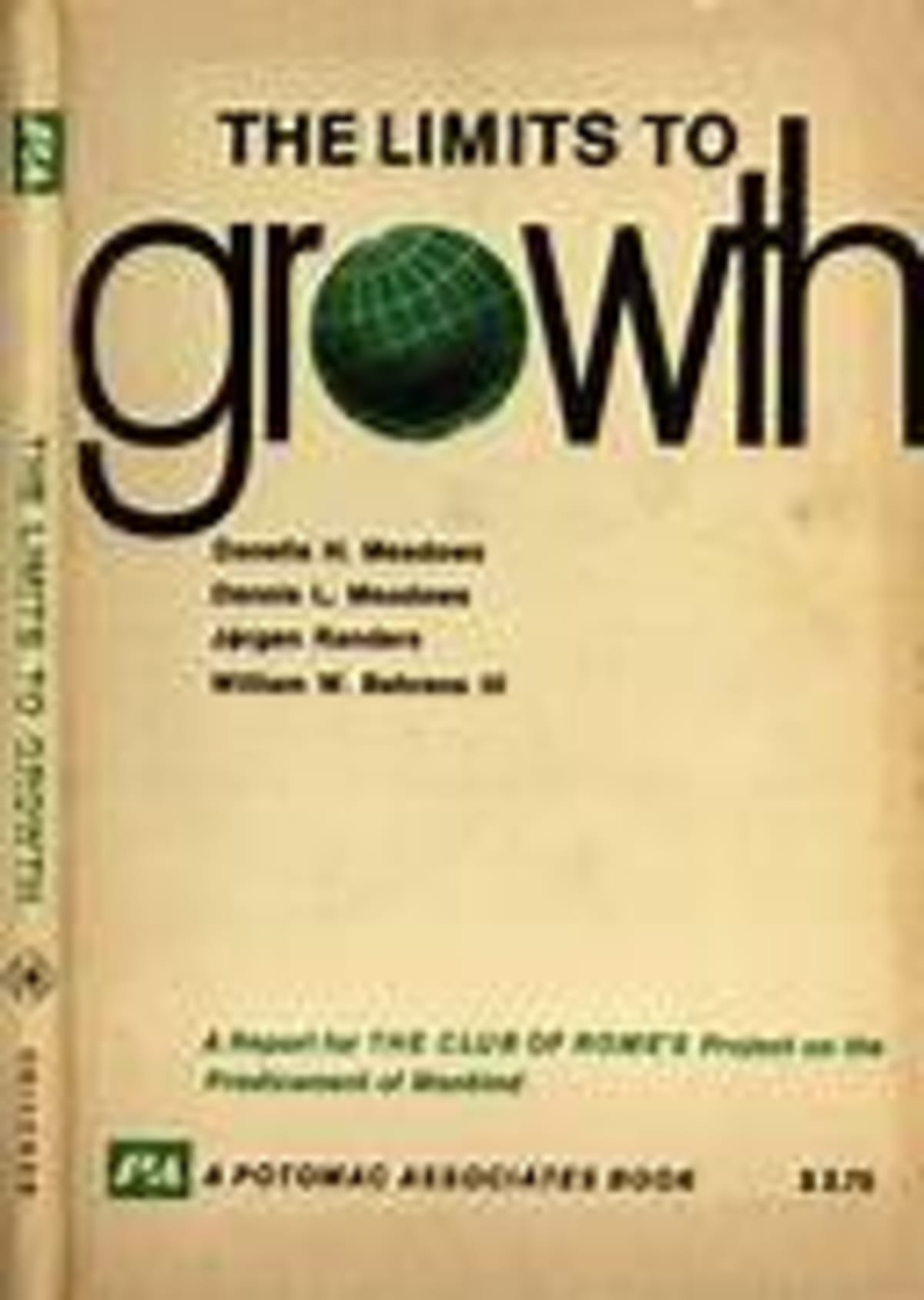
Gaya Herrington, an econometrician, compared real-world data with predictions made by MIT scientists back in 1972 in their groundbreaking book "Limits to Growth." What she found should make us sit up and pay attention.
The original MIT model predicted that business as usual would lead to collapse starting around now, with growth grinding to a halt by 2040. When Herrington checked how things actually unfolded over five decades, the alignment was striking.
But here's where hope enters the picture. We haven't passed the point of no return yet.
The MIT scientists also modeled a different path, one where humanity consciously chooses limits and redirects resources from industrial output growth toward health, education, and environmental protection. In that scenario, current wellbeing levels stay stable through 2100.
Herrington's analysis shows we're close enough to that positive path that switching course is still possible. The window is narrow though: what happens in the next five to ten years matters enormously.
The solution involves shifting to what she calls a "wellbeing economy." Instead of measuring success by GDP growth alone, this approach focuses on meeting physical, social, and spiritual needs within what the planet can handle.
This doesn't mean economic collapse or going backward. It means being selective about growth, expanding things that genuinely improve lives while shrinking our environmental footprint.
For wealthier nations, the path involves reducing ecological impact while protecting livelihoods through living wages, adequate pensions, and universal basic income programs. Developing countries below their fair share of Earth's resources could still pursue green growth driven by clean technologies.
The Ripple Effect
The transformation creates positive feedback loops. When basic needs are securely met through smart policies rather than endless growth, people no longer need to oppose environmental protections. Healthy ecosystems then support human wellbeing, which reinforces the system.
Jobs won't disappear in a wellbeing economy. Businesses can still profit by contributing to genuine wellbeing, especially in sectors like renewable energy. What changes are the collective values: society redefines productive work and what truly has value.
The choice sits before us: either we choose our own limits thoughtfully, or limits will be forced upon us through environmental and social breakdown.
With humanity now wielding global reach and unprecedented power, we face a question our ancestors never confronted: who do we want to be, and what world do we want to create? The next decade holds the answer.
More Images


Based on reporting by Google News - Economic Growth
This story was written by BrightWire based on verified news reports.
Spread the positivity!
Share this good news with someone who needs it