Wellington Releases 250th Wild Kiwi After Century Absence
For the first time in 100 years, New Zealand's iconic kiwi birds are burrowing into wild nests around Wellington, thanks to a bold conservation dream turned reality. The Capital Kiwi Project is about to hit a major milestone: releasing its 250th bird back into the landscape.
After a century of silence, the scratching and snuffling of kiwi birds has returned to Wellington's hills.
The Capital Kiwi Project will release its 250th kiwi into the wild on April 28, celebrating with a special ceremony at Parliament. It's a remarkable turnaround for New Zealand's national bird, which had vanished from the capital's landscape for generations.
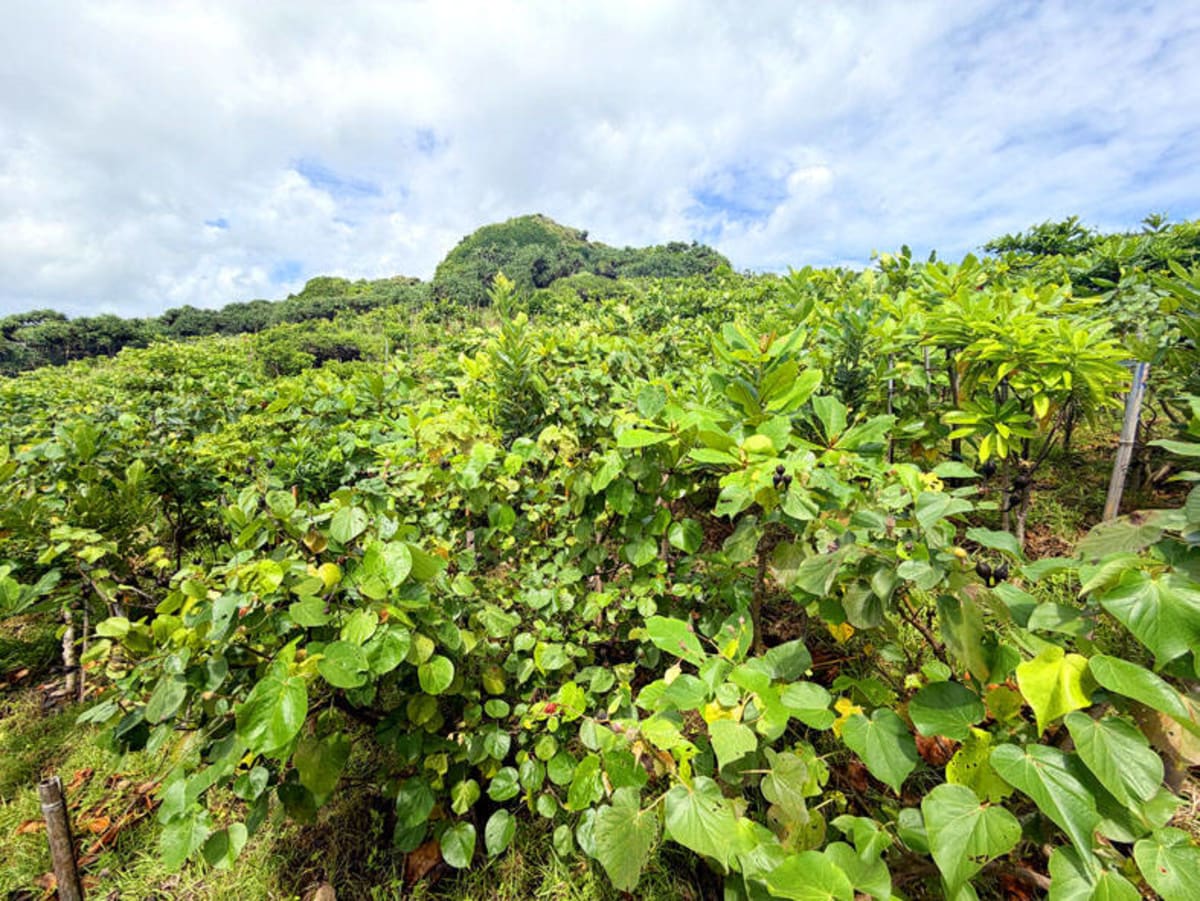
Journalist Rune Benzon joined founder Paul Ward and ranger Jeff Hall on a cold June morning to track a kiwi chick in Mākara, southwest of Wellington. They navigated steep hillsides thick with mānuka scrub, following radio signals from transmitters attached to the birds' legs.
When they finally found the four-month-old chick tucked into a tuft of tussock, Benzon got to hold the feisty creature. Its feathers felt like dry bracken, and its disproportionately large feet already sported formidable claws that will one day help it fend off predators with martial arts kicks.
The project's success depends on a simple but effective strategy: keep kiwi alive until they can defend themselves. In the 1990s, researchers discovered that when old birds died, no young birds replaced them because nearly all chicks were being eaten by stoats.
Now, 5,000 stoat traps protect the Wellington landscape. Rangers monitor chicks with transmitters until they reach "fight weight" of one kilogram, when they become stoat-proof and can truly roam free.
Getting community buy-in was essential. Ward and his team presented in woolsheds, kitchens, village halls, and on marae across the region, asking locals if they wanted kiwi back.
Everyone said yes, though many probably thought the team was slightly crazy. After all, imagining kiwi sharing backyards alongside blackbirds and sparrows seemed impossible after so long.
The Ripple Effect
The Capital Kiwi Project proves that bold conservation dreams can become reality with community support and persistence. Yellow "Watch out, kiwi about!" signs now dot the roads near Mākara, warning drivers that these ancient birds are reclaiming their home.
If they survive to maturity, kiwi can live over 50 years. The chicks being released today could still be scratching through Wellington's forests in 2076, raising their own young in a landscape that has finally learned to protect them.
In a month, the four-month-old chick Benzon held will have its ankle bracelet snipped off and be truly free to roam the hills above Ōterongo stream. It's one small bird taking back its ancestral home, one cautious step at a time.
More Images

Based on reporting by Stuff NZ
This story was written by BrightWire based on verified news reports.
Spread the positivity!
Share this good news with someone who needs it