Welsh Composters Turn Cafe Scraps Into Community Food Loop
A Welsh duo collects food waste from local cafes and transforms it into premium compost that grows food for those same restaurants. Their circular system keeps resources local and costs affordable for everyone.
Coffee grounds from your morning latte could be feeding you lunch next month, thanks to a Welsh community that's revolutionizing how we think about food waste.
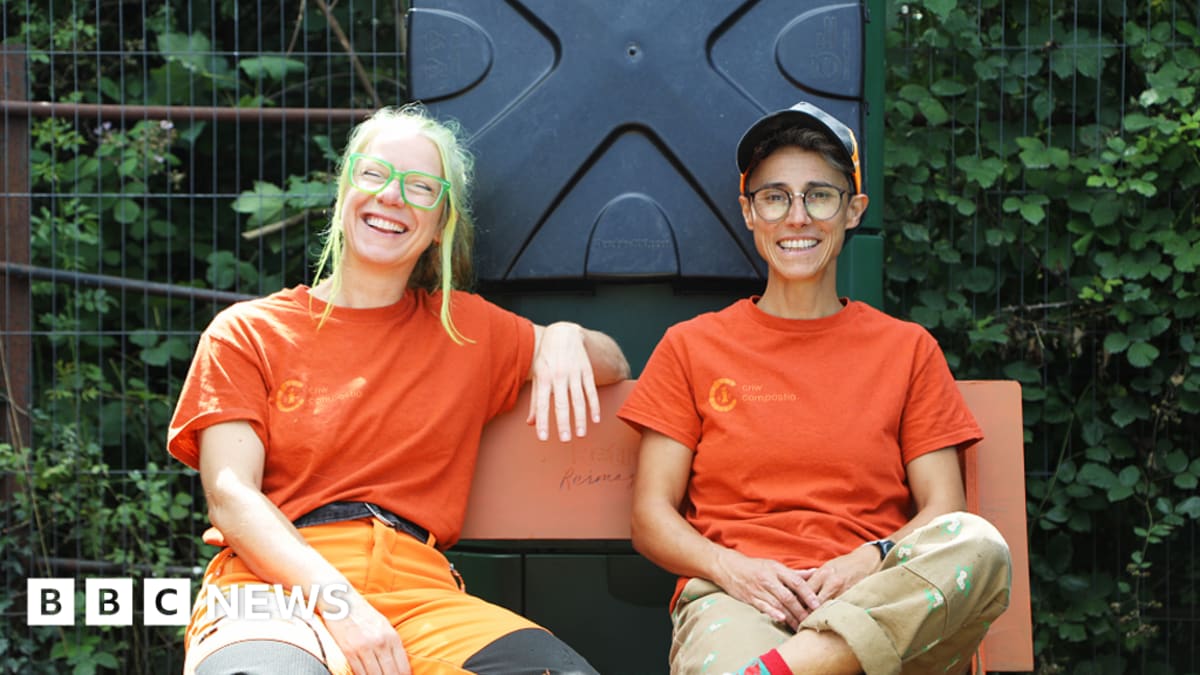
Steph Robinson and ffin Jordao run Criw Compostio in Machynlleth, Wales, where they've created something remarkable: a complete food circle that never leaves town. They collect scraps from local cafes, transform them into award-winning compost, and watch as growers use it to produce vegetables that end up back on those same cafe plates.
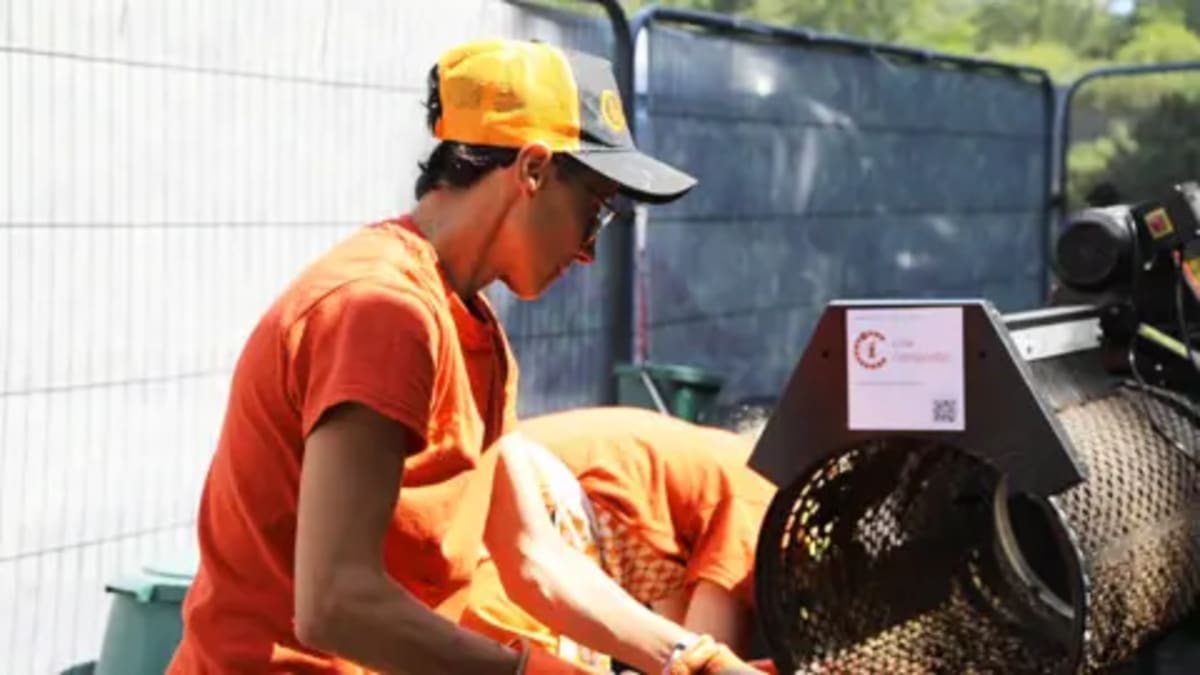
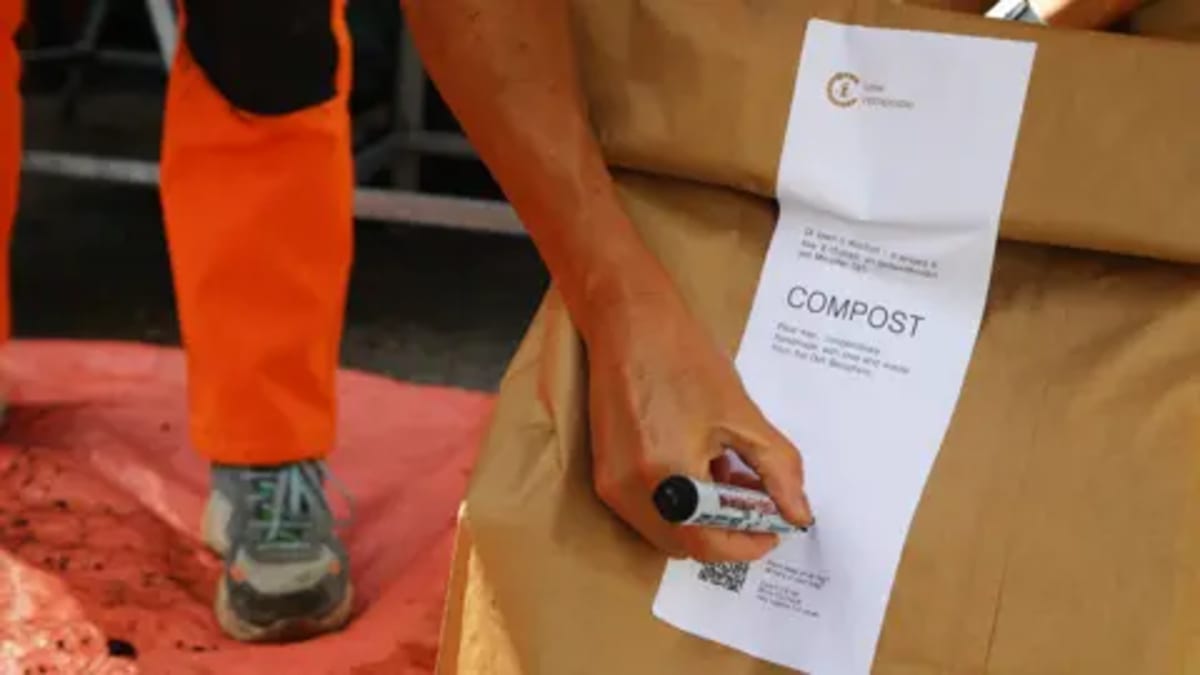
The system is beautifully simple. Twice a week, they pick up food waste, wood shavings from a carpentry shop, and even used guinea pig bedding from pet owners. Everything goes into specialized "hot, rat-proof hyper composters" that work fast enough to keep pests away while breaking down organic material.
Within a year, those scraps become premium compost that just won a quality award. Local growers snatch it up on a "pay what you feel, pay what you can afford" basis, grow food for Machynlleth markets and restaurants, and the cycle starts over.
Steph and ffin met at the Centre for Alternative Technology, a 50-year-old environmental charity where ffin worked in biology and Steph ran educational programs. When ffin started the composting project with a 2022 grant, they realized they'd found something bigger than just recycling waste.
They've since expanded to run a composting school, teaching groups from neighboring counties and as far as Birmingham how to start similar projects. About 15 volunteers rotate through, learning the craft and getting paid in compost instead of cash.
The Ripple Effect
The impact reaches beyond environmental benefits. In a region where money is tight, thriving gardening communities have formed around affordable food growing. People connect without spending, combating loneliness while producing nutritious meals.
"There are really vibrant growing communities that have been going quite a long time because people have been struggling economically, so they need to grow food," Steph explains. Allotments have become hot property as the cost of living crisis pushes more people toward self-sufficiency.
The duo keeps everything within a 20-mile radius by design. They don't sell on Amazon or eBay because the whole point is keeping valuable resources in the community that created them.
ffin, a biologist from Portugal, sees it clearly: they're "turning it into the most valuable thing it can be turned into: nutritious food." Steph frames it even more boldly, calling food waste a misnomer for what's actually a valuable resource being extracted from communities that need it most.
Their only growth ambition is helping other towns build similar systems, proving that the best solutions often work in circles rather than straight lines.
More Images

Based on reporting by BBC Science
This story was written by BrightWire based on verified news reports.
Spread the positivity!
Share this good news with someone who needs it