West Africa Builds Fintech Hub for 150M People
Eight West African countries just launched a unified payment system that settles money transfers in under five seconds across borders. What used to take two days and cost $21 now happens instantly for free.
Eight countries sharing 150 million people are quietly building what could become Africa's most connected financial technology ecosystem.
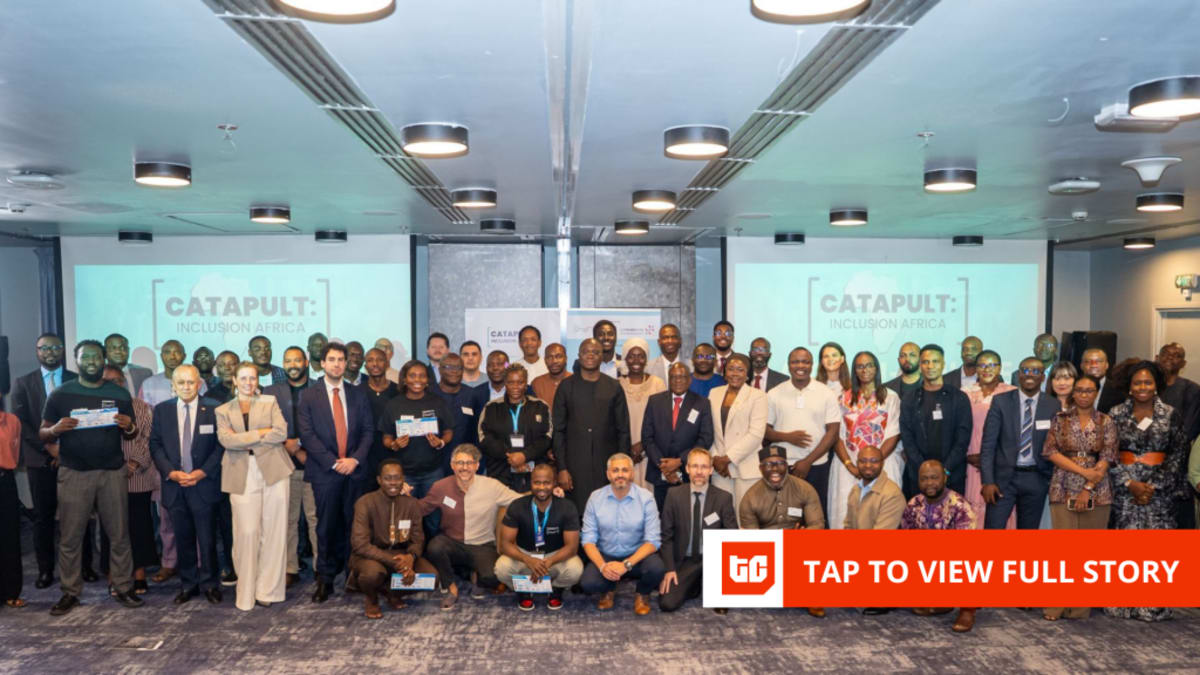
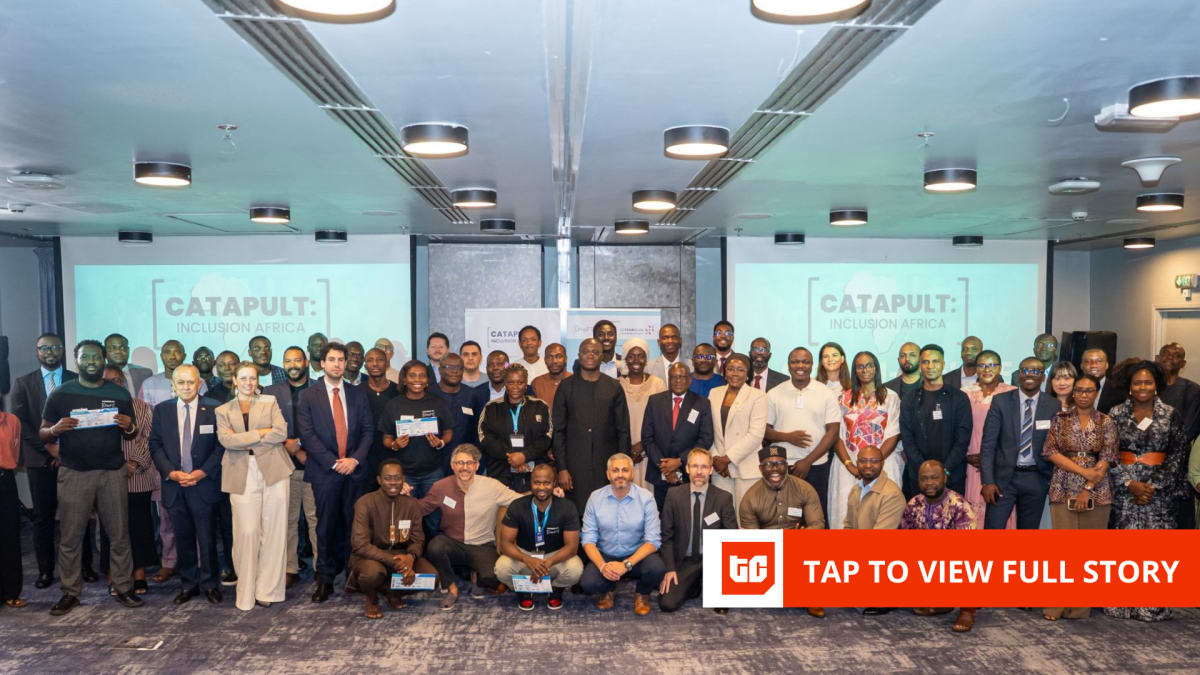
On July 3rd, regulators, bankers, and startup founders gathered in Abidjan, Ivory Coast, for something that looked less like a typical tech conference and more like a construction meeting. The Central Bank of West African States and its partners weren't just talking about innovation. They were literally rewiring the financial plumbing for an entire region.
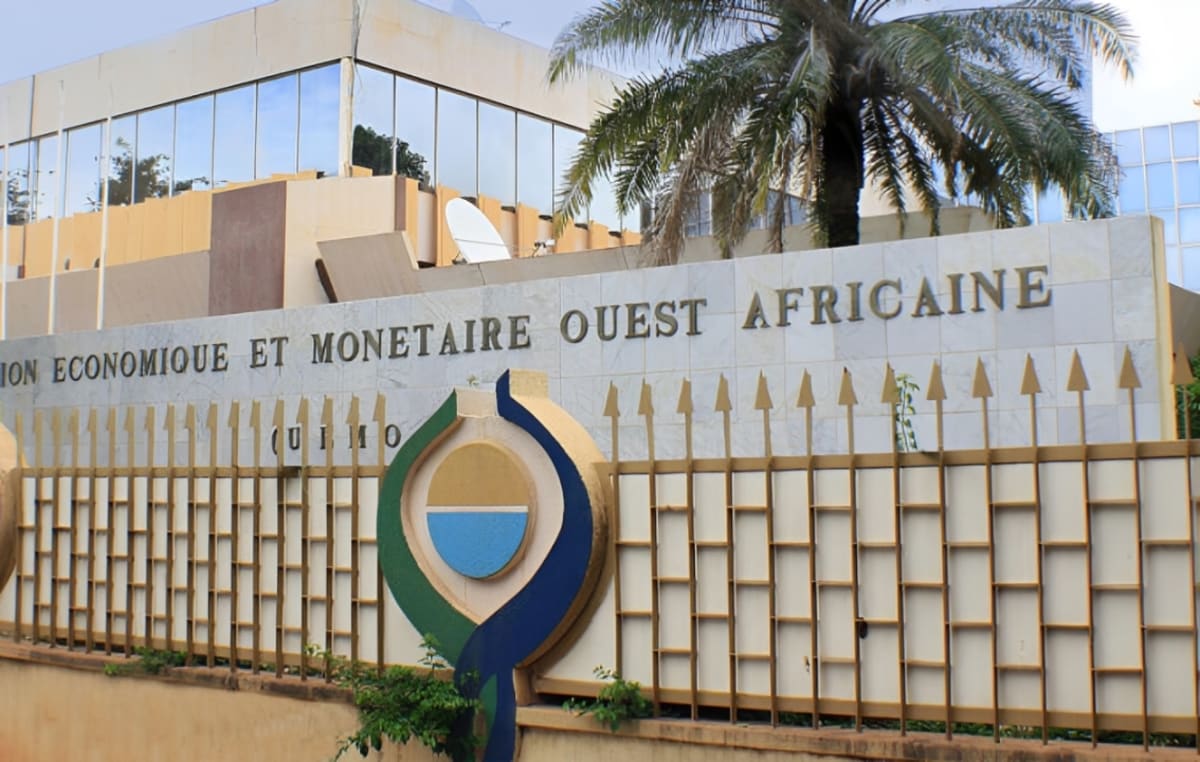
The centerpiece is PISPI, a payment platform that launched last September and became mandatory for financial companies on June 30th. The system lets anyone in the eight-country West African Economic and Monetary Union send money from account to account in under five seconds. The cost? Zero.
That replaces a process that previously took up to 48 hours and could cost 12,000 CFA francs, about $21. One connection now covers eight countries and their combined population.
The approach West Africa is taking stands out because regulators decided to build the infrastructure first, then invite innovation on top of it. Most regions do the opposite, letting hundreds of incompatible payment systems emerge and then struggling to connect them later.
Banks and mobile money providers across Benin, Burkina Faso, Guinea-Bissau, Ivory Coast, Mali, Niger, Senegal, and Togo can now plug into a single platform. Customers in one country can pay businesses in another as easily as sending a text message.
The region is also requiring all payment companies to meet cybersecurity standards within two years. That includes everything from protecting customer data to banning default passwords to training staff regularly. Rather than leaving startups to figure it out alone, regional institutions partnered with European cybersecurity experts to help companies meet the requirements.
The Ripple Effect
What makes this model powerful is that small fintech startups no longer need to negotiate separate deals with banks in eight different countries. They build once and instantly access 150 million potential customers.
The conference featured fifteen fintech founders pitching their companies, all building on this new infrastructure. Payment acceptance tools, lending platforms, and digital wallets are emerging that work seamlessly across borders that used to be financial walls.
European regulators at the conference warned about one mistake to avoid. When Europe required banks to open their systems to fintech companies, many startups connected to bank systems without figuring out how to actually make money from the access. West African founders got direct advice: map every regulation that applies to your business, assess yourself honestly, and show up to regulators with a plan, treating compliance as a growth strategy rather than a burden.
The regional banking authority is also preparing open banking rules that will require traditional banks to share customer data with fintech companies when customers request it. Those detailed regulations are still being written, but the legal framework is already in place.
Banks were given clear guidance too. Fintech companies bring value as partners, not threats. The system works best when established banks and nimble startups collaborate rather than compete.
Luxembourg's development agency and financial technology organizations are supporting the effort, bringing lessons from how Europe connected its payment systems. The African Development Bank and several West African institutions are also backing the initiative.
The real test will be whether the infrastructure actually gets used. But the foundation is solid: unified payments, mandatory security standards, eventual open banking, and regulators actively helping companies comply rather than just penalizing failures.
A financial system that took two days and $21 to move money between neighbors now does it in five seconds for free across eight countries.
More Images

Based on reporting by TechCabal
This story was written by BrightWire based on verified news reports.
Spread the positivity!
Share this good news with someone who needs it