West Africa Gets $267M for Roads, Jobs, and Green Growth
A regional development bank just approved over $267 million for projects that will connect coastal cities, create thousands of jobs, and transform waste into resources across five West African nations. The funding marks one of the largest regional investments in sustainable infrastructure this year.
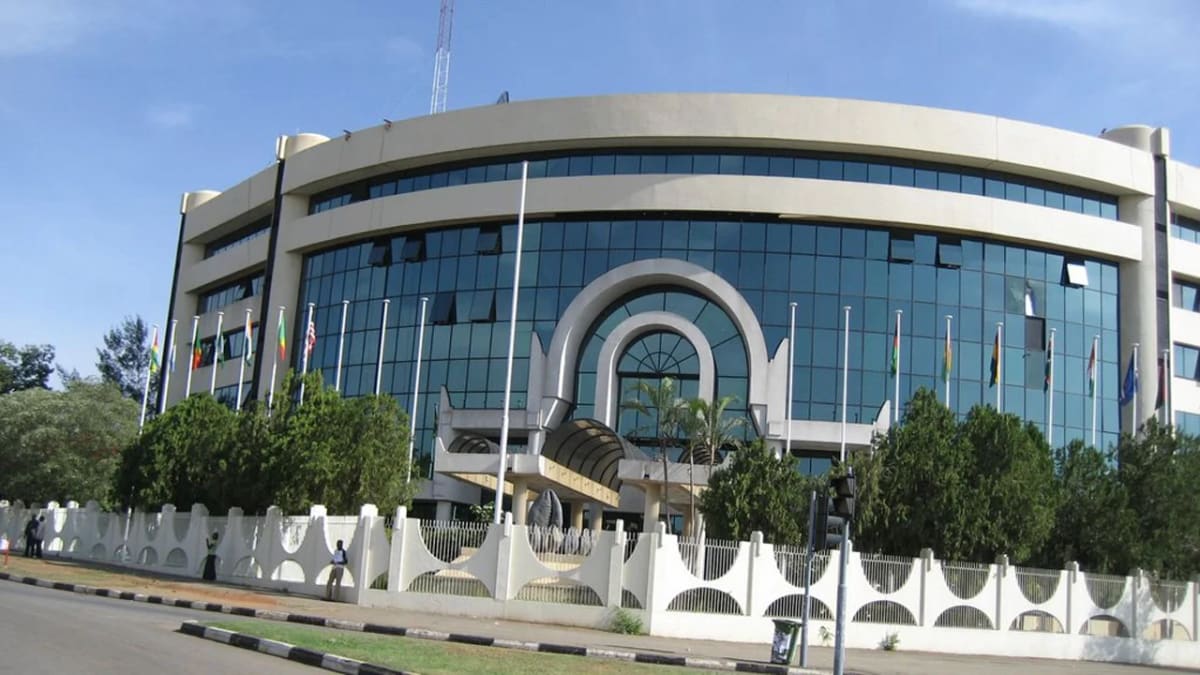
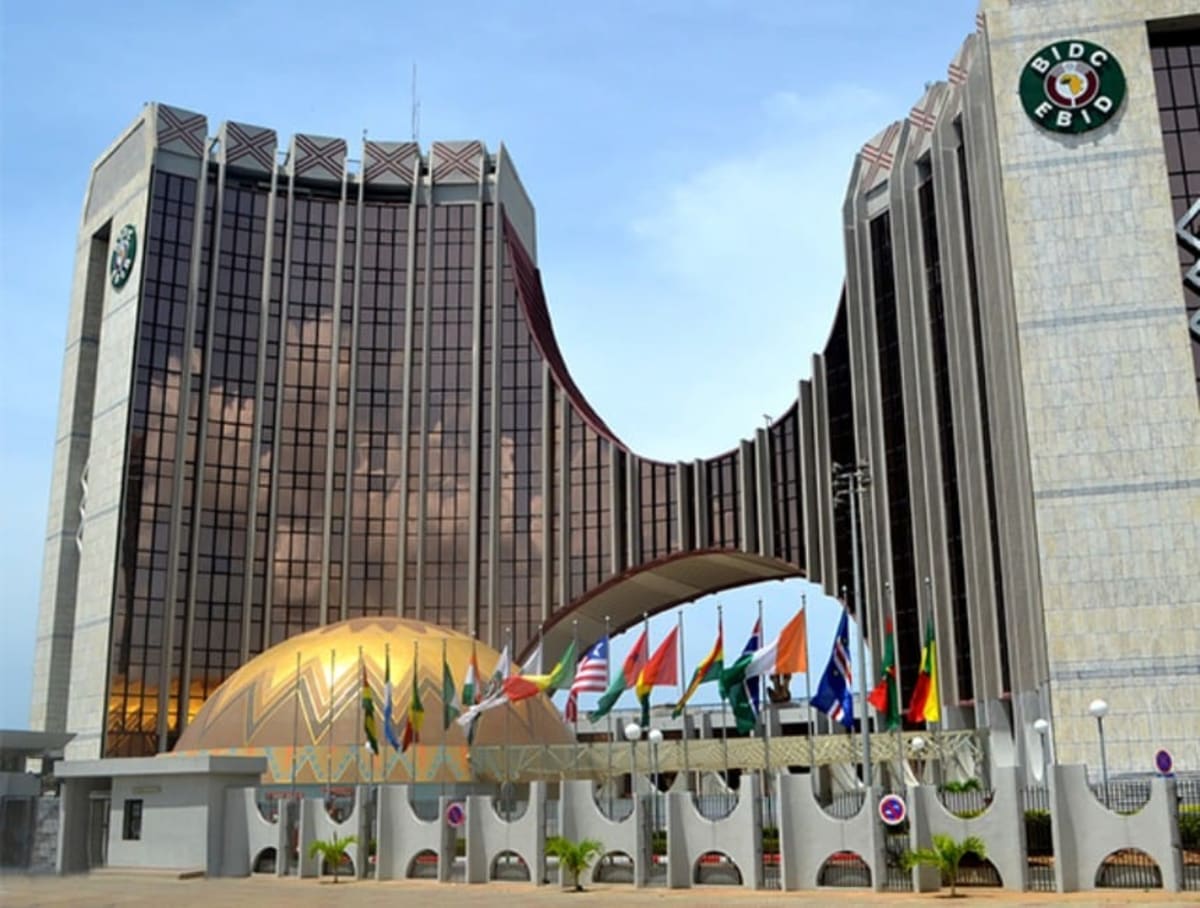
The ECOWAS Bank for Investment and Development just committed $267 million to transform infrastructure across Nigeria, Ghana, Senegal, The Gambia, and Côte d'Ivoire. These aren't just construction projects. They're lifelines for communities that need better roads, cleaner cities, and more economic opportunity.
The biggest chunk, $100 million, will help build the Lagos-Calabar Coastal Highway, a strategic corridor connecting nine coastal states in Nigeria. The highway promises to slash travel times, reduce shipping costs, and open new trade routes between coastal communities that have struggled with congestion for decades.
In Bauchi State, Nigeria, $91.63 million will modernize roads that connect farming communities to markets. Farmers who once watched their produce spoil on bad roads will finally have reliable routes to sell their crops.
Lagos is getting $50 million for waste management facilities that will do something remarkable: turn trash into treasure. The new system will recycle 45 percent of the city's waste, create over 5,000 jobs, and produce 60,000 tons of organic compost every year.
Smaller businesses are getting a boost too. Credit lines totaling $30 billion West African francs will flow to banks in Senegal and Côte d'Ivoire specifically to fund small and medium enterprises, with special attention to women and youth entrepreneurs.
Ghana is getting a $15 million tissue paper manufacturing plant, while The Gambia will see $10.04 million expand local farm operations. Each project was chosen not just for economic impact but for its alignment with sustainable development goals.
The Ripple Effect
Dr. George Donkor, speaking for the ECOWAS Bank, emphasized that these investments create layers of positive change. Better roads mean farmers earn more, which means kids stay in school longer. Waste facilities mean cleaner neighborhoods, which means fewer health emergencies and lower medical costs.
The projects also incorporate climate-resilient construction techniques, ensuring that roads and facilities can withstand extreme weather as climate patterns shift. This isn't just building for today. It's building for the next generation.
When regional banks invest in multiple countries simultaneously, the benefits multiply across borders. A highway in Nigeria improves trade for Ghanaian exporters. Agricultural financing in Senegal stabilizes food prices in neighboring countries.
The 95th Board of Directors session that approved these projects signals something important: regional cooperation on infrastructure is accelerating, not stalling. West Africa is building connections, not walls.
Based on reporting by Vanguard Nigeria
This story was written by BrightWire based on verified news reports.
Spread the positivity!
Share this good news with someone who needs it