West Africa Unites to Eliminate Malaria by 2050
Fifteen West African nations just launched a coordinated plan to eliminate malaria, the disease that kills more people in their region than anywhere else on Earth. With new funding commitments and cross-border collaboration, they're tackling a crisis that claims mostly children under five.
Health ministers from across West Africa gathered in Freetown, Sierra Leone, with a bold promise: to end malaria in their region by 2050.
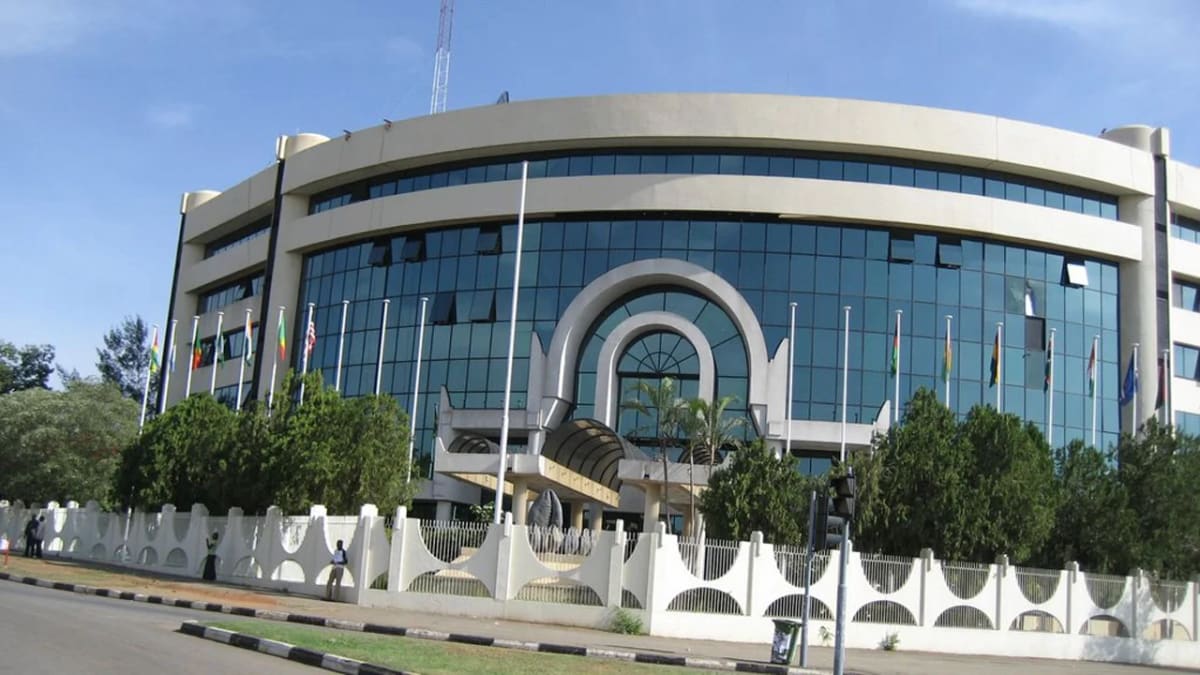
The announcement came during the 27th Assembly of Health Ministers for the Economic Community of West African States (ECOWAS). These 15 nations currently bear more than half of the world's malaria deaths, with young children making up most of the victims.
Dr. Melchior Athanase Aissi, Director General of the West Africa Health Organization, presented a unified strategy that marks a major shift from previous efforts. Instead of each country fighting alone, West African nations will now share data, resources, and innovations across borders.
"No country can eliminate malaria in isolation," Dr. Aissi explained. The new approach tackles modern challenges like climate change, population movement, and mosquitoes growing resistant to insecticides.
The plan includes digital health tools for better disease tracking, increased domestic funding so countries don't rely solely on international donors, and community-led solutions tailored to local needs. Ministers committed to stronger accountability measures to ensure promised resources actually reach affected communities.
Sierra Leone's Health Minister Dr. Austin Demby framed the fight in economic terms too. "Malaria drains billions of dollars in productivity every year and pushes vulnerable families deeper into poverty," he said.
The region has reason for hope. Cabo Verde recently achieved malaria-free certification, proving elimination is possible with sustained political commitment and smart investment.
The Ripple Effect
Eliminating malaria would transform West Africa's future in ways that stretch far beyond health clinics. Families would keep more income instead of spending it on treatment and lost workdays. Children would attend school consistently instead of missing weeks while sick. Entire economies would grow as healthy workers build stronger communities.
The coordinated approach also strengthens West Africa's health infrastructure overall. The surveillance systems, data sharing networks, and cross-border partnerships built for malaria elimination will help these nations respond faster to future health threats of any kind.
This isn't just about mosquitoes and medicine. It's about 15 nations choosing to pool their strength, share their victories, and refuse to let an ancient disease steal another generation of children.
More Images

Based on reporting by AllAfrica - Health
This story was written by BrightWire based on verified news reports.
Spread the positivity!
Share this good news with someone who needs it