
West African Temple Lets Pythons Roam Free at Night
In Benin's Temple of Pythons, priests release 60 sacred snakes each night to hunt rats through town, and locals welcome them into their homes as honored guests. The centuries-old tradition turns what many cultures fear into living symbols of protection and community blessing.
Imagine opening your door to find a python on your doorstep and feeling grateful instead of terrified.
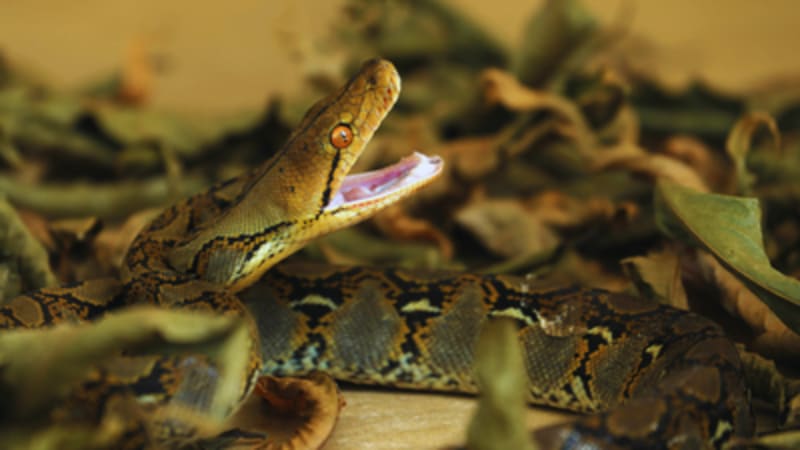
That's everyday life in Ouidah, Benin, where the Temple of Pythons practices a tradition that turns our usual relationship with snakes completely upside down. About 60 royal pythons live at this sacred site, resting in coils during the day in a small concrete building with a clay roof.
But these aren't caged animals. Every night, priests release the pythons into town to hunt mice, rats, and other pests that threaten crops and homes.
When a python slithers into someone's house, no one panics or calls for help. Residents treat the snakes as honored visitors, knowing they'll eventually return to the temple on their own.
The tradition stems from Vodun, a West African spiritual practice where snakes represent protection and connection between the physical and spiritual worlds. Royal pythons, known for their calm and gentle nature, embody Dan, the rainbow serpent who serves as a cosmic intermediary in Vodun belief.
Local legend tells of an 18th-century king fleeing enemies during war who took shelter in a sacred forest. Pythons appeared from the underbrush and surrounded him, blocking his pursuers and saving his life. The grateful king built monuments honoring the snakes, which evolved into today's temple.
Another story describes a woman escaping famine who befriended a python that protected her crops by eating pests at night. Over time, the snake became regarded as both a food protector and spiritual guardian.
The temple maintains about 60 pythons, the largest collection of sacred snakes in Benin. Priests never feed them because the snakes sustain themselves by hunting during their nightly town patrols. Once a month, ceremonial releases purify the entire community in rituals dating back centuries.
Why This Inspires
This temple shows how radically different our relationships with nature can be when we choose reverence over fear. What many cultures teach children to avoid, Ouidah residents welcome into their homes as blessings.
The pythons provide real ecological benefits by controlling rodent populations naturally, without poison or traps. They're non-venomous and genuinely docile, making the arrangement safe for both humans and snakes.
Visitors can hold the pythons after a brief purification ritual and photograph them with guide assistance. But beyond tourism, the temple remains an active place of worship where some structures serve only spiritual purposes.
The tradition has survived centuries because it works on multiple levels: practical pest control, spiritual meaning, and community identity all woven together. It's a living example of how humans and wildlife can coexist when mutual benefit replaces mutual fear.
In Ouidah, snakes aren't symbols of danger or deceit but protectors reminding residents of their layered history and the wisdom of their ancestors.
More Images



Based on reporting by Times of India - Good News
This story was written by BrightWire based on verified news reports.
Spread the positivity!
Share this good news with someone who needs it