Scottish Rescue Teaches Seal Pups to Bottle-Feed
A Scottish animal rescue center has developed a breakthrough bottle-feeding technique that helps orphaned seal pups recover with less stress. The method has already helped three premature grey seals return to the wild.
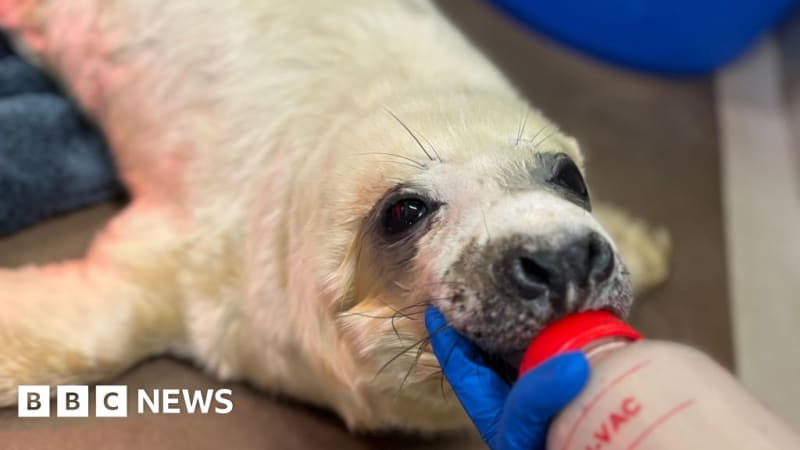
When a tiny grey seal pup arrived at Scotland's National Wildlife Rescue Centre without teeth or a mother, wildlife assistant Caitlin Ganley noticed something remarkable: the baby was trying to suckle during feeding time.
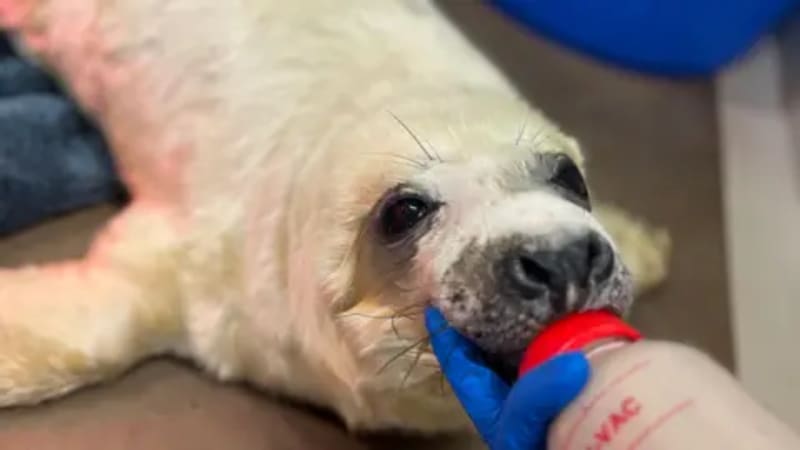
Ganley grabbed a bottle on instinct, and the pup drank the entire meal. That moment last year sparked a new approach that's transforming how the Scottish SPCA cares for its most vulnerable patients.
The charity now bottle-feeds premature and orphaned grey seal pups with a special seal-specific milk formula. It's gentler than the traditional throat tube method, creating a more natural feeding experience that reduces stress on fragile newborns.
The technique works best with young pups at just the right stage of development. Grey seals might look adorable, but they can be highly defensive, so timing matters.
The rescue center in Fishcross brings in about 90 grey seal pups each year between October and March during peak season. Three seals fed with the new bottle method have already recovered and returned to the ocean.
Creating the perfect formula took years of trial and error. Seal milk is incredibly high in fat, and no other animal produces milk quite like it. Wildlife vet Joe Heaver said the center tested different milk products before finding a mixture that works.
The shift came at a critical time. Human interference is driving more seal rescues as beachgoers accidentally scare mothers away from their pups. Dog attacks and disturbances of pregnant seals are also causing premature births and abandonments.
Why This Inspires
This story shows how paying attention to small details can lead to big breakthroughs. Ganley didn't ignore what seemed like a small behavior in one seal pup. Instead, she followed her instinct and created a more compassionate way to help animals heal.
The bottle-feeding approach takes more time than tube feeding, but it mirrors what seal pups would experience in the wild. Sometimes the slower, more natural path creates better outcomes, even when efficiency seems more important.
The method is still in early stages, and researchers are carefully tracking results. But the fact that three seals have already thrived and returned home proves the concept works.
More rescued animals are returning to the wild healthier and less traumatized than before.
More Images

Based on reporting by Google News - Wildlife Recovery
This story was written by BrightWire based on verified news reports.
Spread the positivity!
Share this good news with someone who needs it